
Christie’s is preparing to open a boutique wine shop inside its Rockefeller Center headquarters in New York, a move that follows a property-specific change to state alcohol law and underscores how major auction houses are expanding their luxury businesses beyond scheduled sales.
The shop, expected to open later in 2026 at 20 Rockefeller Plaza, would give Christie’s Wine and Spirits a physical retail presence in one of Manhattan’s busiest commercial and cultural corridors. The plan was first reported this week by the New York Post and was later confirmed in art-market coverage, with Christie’s saying the store is intended to connect clients and new buyers with fine wine, collecting and the company’s specialists.
The opening is unusual because Christie’s is not simply another wine merchant seeking a Midtown storefront. The auction house is owned by French billionaire François Pinault, whose broader business interests include vineyards through Artémis Domaines. That connection created a regulatory problem under New York’s Alcoholic Beverage Control Law, which has long maintained strict separation between manufacturers, wholesalers and retailers of alcoholic beverages.
Those restrictions, often called tied-house laws, were designed after Prohibition to prevent manufacturers or wholesalers from exerting undue influence over retailers. In New York, lawmakers and regulators have historically interpreted such rules strictly, even where the corporate overlap is indirect or small. For Christie’s, the issue was that ownership links to wineries could conflict with a retail wine license unless the law made room for an exception.
That exception is now moving through Albany in the form of Senate Bill S9273 and its Assembly counterpart, A10620. The Senate bill, sponsored by State Sen. Liz Krueger, is described by the New York State Senate as exempting certain Manhattan parcels from licensing restrictions that would otherwise prohibit manufacturers, wholesalers and retailers from sharing an interest in a licensed premises. The Assembly version was sponsored by Assemblymember Tony Simone.
The bill status page lists the measure as having passed both the Senate and Assembly. The Senate page says the purpose is to allow a New York City business to serve alcoholic beverages at an on-site cafe and relocate an off-premises retail establishment it owns to the same site despite what the sponsor memo calls a “de minimis corporate relationship with a foreign winery.” The bill text does not name Christie’s directly, but it describes parcels in Manhattan that correspond to the Rockefeller Center site.

The bill also includes limits meant to address the conflict-of-interest concern. It says the retail licensee may not purchase alcoholic beverages for resale directly from the affiliated manufacturer, while allowing certain consignment activity for auction purposes. In practical terms, Christie’s has said it will not sell wines produced by Pinault’s affiliated wine businesses, including Château Latour and other Artémis-linked estates, according to published reports.
Christie’s has also pursued the licensing side of the plan through an existing wine store. The company acquired a Bronx-based wine shop at 841 Barreto Street in Hunts Point in 2024 and has applied to transfer that license to the Rockefeller Center site, according to the New York Post. The transfer remains subject to review by the New York State Liquor Authority, and the state legislation still requires final legal effect before the shop can operate as planned.
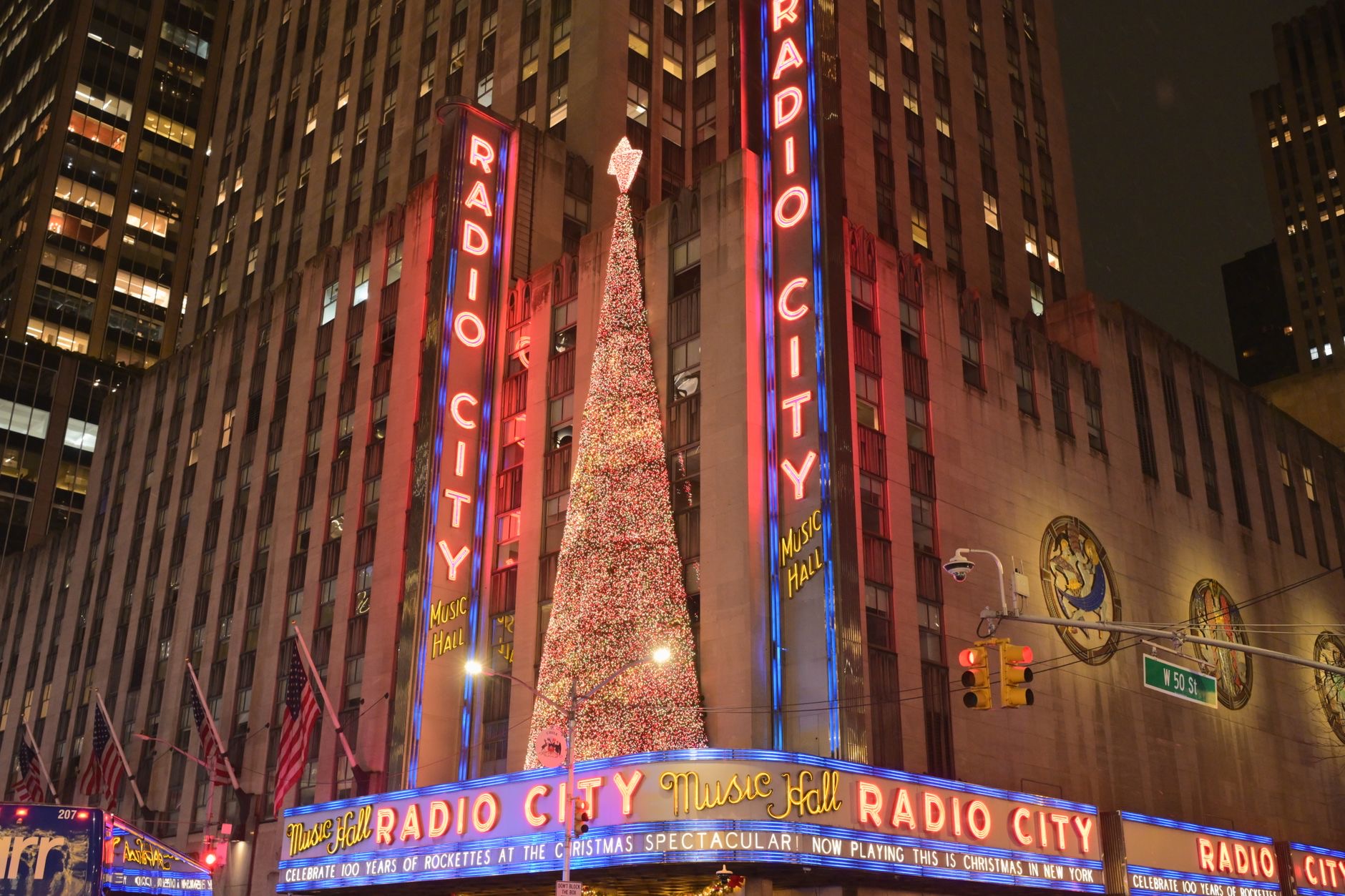
The storefront is expected to be small—about 500 square feet—inside Christie’s West 49th Street headquarters. Its location is strategically significant. Christie’s New York salerooms already draw art, jewelry, watch and luxury clients to Rockefeller Center, and the planned shop would sit in a building associated with blue-chip auctions and exhibitions. Rockefeller Center’s own directory describes Christie’s as holding more than 450 auctions annually across more than 80 categories, including fine art, wine, jewelry, furniture, fashion, collectibles and memorabilia.
For Christie’s, the wine shop fits into a larger effort to strengthen its U.S. wine business. The company relaunched wine auctions in New York in 2025 with the Cellar of William I. Koch, a major single-owner sale held at Rockefeller Center. Christie’s later said that auction achieved $28.8 million, setting a North American record for a single-owner wine collection. The house has continued staging wine and spirits sales in New York, including collections tied to private U.S. cellars and luxury-week programming.
The timing is competitive. Sotheby’s, Acker and Zachy’s are all major players in fine wine sales, and Sotheby’s has long combined auction operations with retail wine activity. A physical shop gives Christie’s a more direct way to cultivate collectors between auctions, introduce new buyers to higher-end bottles and convert the foot traffic around its Manhattan headquarters into a sales channel. It also gives specialists a visible platform for tastings, advisory relationships and private-client activity, assuming licensing approvals are completed.
At the same time, the plan has drawn criticism from independent wine retailers who say the exemption shows how large companies can navigate Albany in ways smaller operators cannot. The New York Post quoted store owners and liquor-law attorneys who argued that carveouts of this kind can undermine a system designed to keep alcohol retail separate from producer influence. Some critics also objected to the fact that the legislation is written around property descriptions rather than naming Christie’s directly.

Supporters of such exemptions generally argue that tied-house rules can produce unintended consequences when applied to complex global companies whose ownership connections do not necessarily create the kind of market abuse the rules were designed to prevent. The sponsor memo for S9273 makes that argument, saying New York’s strict interpretation can create unintended consequences where the risk of undue influence is not present and that property-specific exemptions have been used to support economic development goals.
The debate places Christie’s in the middle of a broader New York alcohol-policy conversation. The state has repeatedly considered whether parts of its beverage law remain too restrictive for modern retail and hospitality, while small liquor stores have historically pushed back against changes that could weaken their position. Christie’s proposed shop is narrower than statewide reforms such as grocery-store wine sales, but it touches the same question: who benefits when New York adjusts its alcohol laws, and whether those changes should be broad or case-by-case.
For the art market, the episode is also a reminder that auction houses increasingly operate as luxury platforms rather than single-category auctioneers. Christie’s and Sotheby’s now compete across art, jewelry, watches, handbags, real estate, private sales, advisory services, finance and wine. A Rockefeller Center wine shop would add an everyday retail layer to a business that has traditionally depended on discrete auction calendars and private-client cultivation.
The commercial risk is real. Wine consumption in the United States has softened, and younger consumers have shown more fragmented drinking habits than previous generations. High-end wine remains a collector market, but auction houses are competing for a narrower group of buyers who care about provenance, storage, producer reputation and access to rare bottles. Christie’s bet is that its brand, specialists and Rockefeller Center address can make wine retail an extension of collecting rather than a conventional shop-floor business.
The next steps are procedural but important. Christie’s needs the legal exemption to take effect and must clear the relevant liquor-license transfer process. If those approvals line up, the shop would open later this year as a new public-facing piece of Christie’s New York operation. If challenges or delays emerge, the episode may still leave a mark by showing how a major cultural institution tested the boundaries of New York’s alcohol rules in pursuit of a larger luxury-commerce strategy.




Leave a Reply