
Sotheby’s reported attempt to sell a major Jackson Pollock painting owned by Pace Gallery founder Arne Glimcher appears to have failed, raising fresh questions about demand for trophy works at the top of the American postwar art market and about how far auction houses can push private sale formats when sellers seek both discretion and premium pricing.
ARTnews reported June 6 that Sotheby’s organized a private auction for Pollock’s “Number 19, 1951,” an oil-and-enamel painting owned by Glimcher, with a reported asking price of $50 million. The sale was said to have been planned at Sotheby’s New York headquarters in the Breuer Building on Madison Avenue, but sources cited by ARTnews said the auction did not proceed because the house could not secure enough bidders.
The report said Oliver Barker, Sotheby’s chairman for Europe and one of the company’s most visible auctioneers, was flown in from London for the event. That detail, if accurate, points to the seriousness of the effort: a private auction of a Pollock at that level would not be a routine backroom transaction, but a carefully managed test of whether a small group of collectors could be assembled around one high-value work away from the public evening-sale stage.
Sotheby’s has not announced a public result for the Pollock, and the available reporting leaves the painting’s status uncertain. It is not clear whether the work has been returned to Glimcher, remains with Sotheby’s, or could still be sold through a private negotiation. That uncertainty is itself part of the story. Unlike a public auction, where a withdrawn lot, passed lot or hammer price creates an immediate market signal, a private sale can leave outsiders reading the contours of demand from partial information and carefully guarded accounts.
The painting at the center of the episode is not a marginal object. “Number 19, 1951” belongs to the mature period of Pollock’s career, after his breakthrough drip paintings had made him one of the defining figures of Abstract Expressionism. A comparable Pollock at a reported $50 million level would sit in the market’s upper tier, where a small pool of collectors, museums, guarantors and advisers can determine whether a sale is viable.
The seller’s identity adds another layer of significance. Glimcher founded Pace Gallery in 1960 and became one of the most influential American dealers of the postwar and contemporary era. Pace’s own public history describes a multigenerational gallery enterprise associated with market-shaping strategies and major artist relationships. A work from Glimcher’s collection carries a different kind of aura from a typical estate consignment: it comes from a dealer whose own career is intertwined with the system that gave postwar American art much of its commercial and institutional structure.

The reported failure also lands at a sensitive time for large auction houses. In recent years, Sotheby’s, Christie’s and Phillips have leaned more heavily on private sales, advisory services and controlled selling formats as the public auction calendar has become more volatile. Private sales can protect sellers from the visible stigma of an unsold lot, allow flexible pricing, and give collectors a sense of exclusivity. But they also depend on confidence. If a private auction is convened and still fails to generate sufficient demand, it can indicate that discretion alone cannot overcome a price that the buyer pool views as too ambitious.
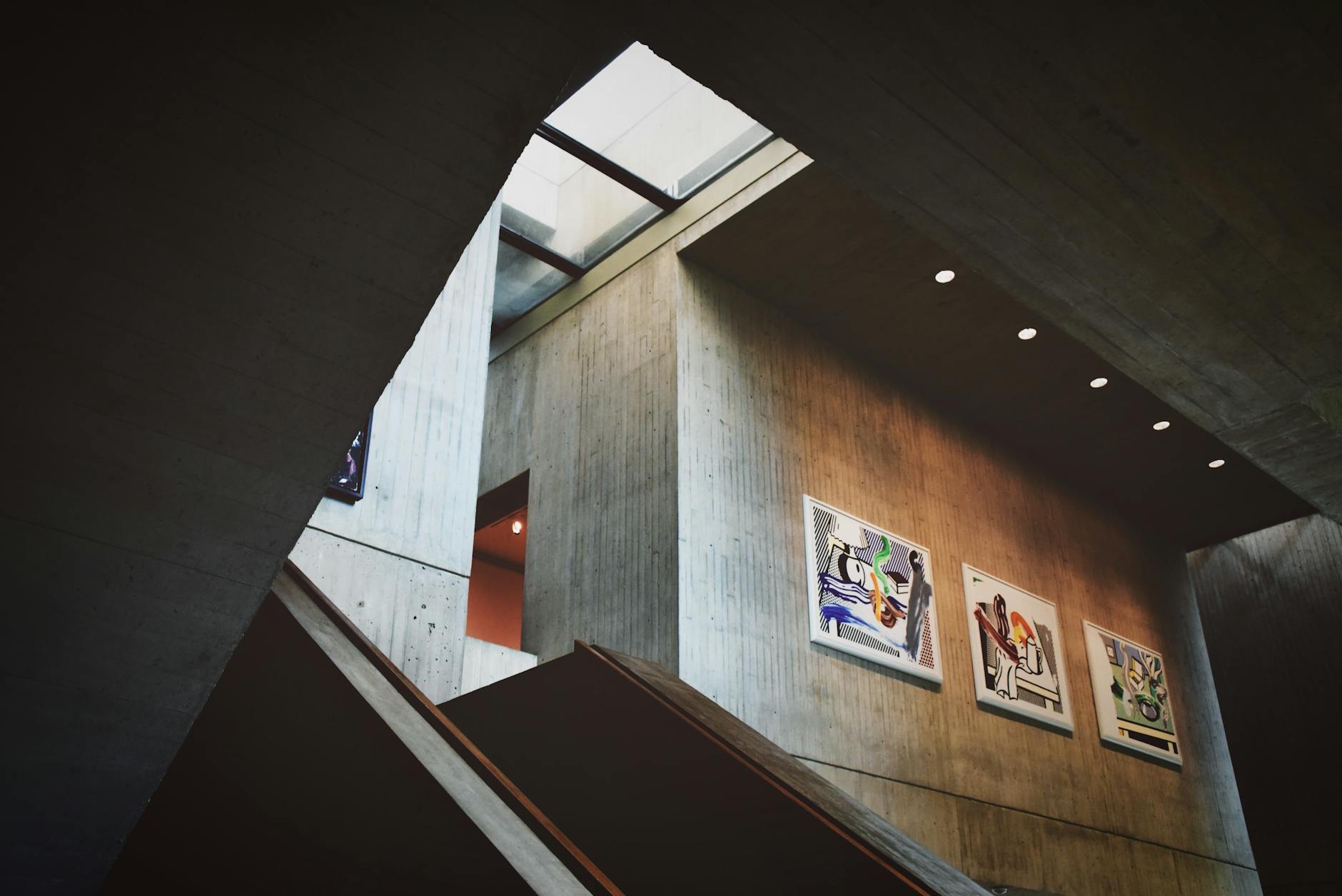
Sotheby’s New York has promoted its Madison Avenue headquarters as both a public-facing art destination and a comprehensive art business offering private sales and consignment services across collecting categories. The Breuer Building, long associated with museum architecture and modern art history, gives Sotheby’s a setting that can blur the line between exhibition, hospitality, auction theater and private-client salesmanship. A failed private Pollock effort inside that setting would highlight the tension between presentation and liquidity: the architecture can stage importance, but it cannot manufacture bidders.
The reported episode should not be read as a broad rejection of Pollock or of Abstract Expressionism. Pollock remains one of the most important American artists of the 20th century, and top works by the artist have historically commanded intense competition when provenance, condition, date, scale and estimate align. The more precise issue is whether this particular painting, at this particular reported price, in this particular format, had enough committed buyers ready to act.
That distinction matters because trophy art markets are thin by design. At $50 million, the buyer universe is small, and many potential bidders already have deep holdings, competing financial priorities or strict requirements around quality and comparability. A public auction can sometimes create momentum through spectacle, guarantees and visible competition. A private auction, by contrast, may need stronger pre-commitment from known buyers before the event can function. Without that base, the format risks exposing weakness while providing less of the public theater that can drive impulse bidding.
The report also underlines how the top of the art market is becoming more segmented. Buyers may still pursue the best works aggressively, but they have become more selective about works perceived as second-tier within an artist’s most desirable production. Sellers, meanwhile, often anchor expectations to peak-market records or private valuations that may not reflect current appetite. When those expectations meet a smaller pool of active buyers, auction houses are left trying to bridge the gap with guarantees, private placements, presale cultivation or hybrid formats such as the reported Sotheby’s attempt.

For Sotheby’s, the stakes extend beyond one painting. Private auction formats are attractive because they promise the drama of competition without the reputational exposure of a public sale. If successful, they allow the house to claim market-making power while giving consignors discretion. If unsuccessful, they can raise doubts about whether the format is mature enough to handle ultra-high-value works when demand is not already locked in.
The episode may also influence how collectors and advisers evaluate future consignments. Sellers of major American postwar works may ask more aggressively whether an auction house has confirmed bidders before agreeing to a private format. Buyers may infer that they have more leverage on works that fail to transact quietly. Advisers may urge clients to distinguish between headline estimates and actual executable demand, especially when a work is being shopped outside the public auction calendar.
Still, a failed or stalled attempt does not necessarily mean the work cannot sell. High-value art often changes hands after extended negotiations, revised pricing or a shift in timing. A private buyer could emerge later, especially if the consignor and house adjust expectations. The immediate significance is narrower but important: a reported $50 million Pollock backed by a legendary dealer’s ownership did not, according to current reporting, produce enough demand for Sotheby’s to complete the planned private auction.
For the U.S. arts market, that is a meaningful signal. The luxury and art sectors often present top-tier objects as insulated from broader uncertainty, but the Pollock report suggests the most expensive segment is not immune to selectivity, caution and price resistance. Even when the artist is canonical, the seller is prominent and the venue is Sotheby’s, the market still has to clear.



Leave a Reply