
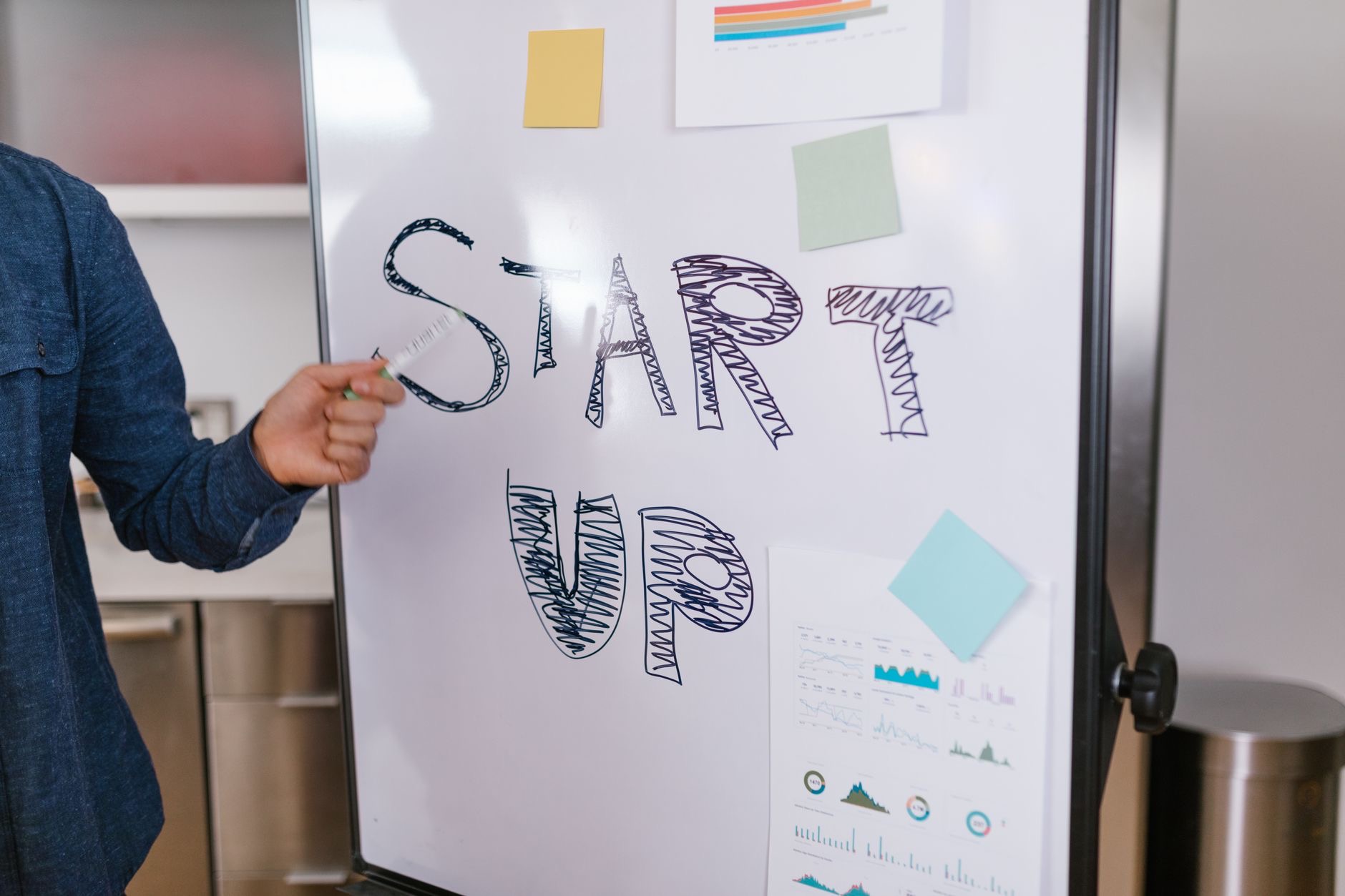
India’s startup ecosystem is at a watershed in 2026, revealing both exponential growth in venture creation and a growing strategic emphasis on deep tech and global competitiveness. According to official government data released by the Press Information Bureau, more than 55,200 startups were recognised during the fiscal year 2025?26, marking the highest annual total since the launch of the Startup India initiative in 2016. The cumulative count of recognised startups now exceeds 2.23 lakh, and these entities have generated over 23.36 lakh direct jobs — underscoring the ecosystem’s significant contribution to employment and innovation capacity.
This quantitative expansion has not occurred in isolation. Government policy in 2026 has systematically broadened support frameworks. In early 2026 the Department for Promotion of Industry and Internal Trade (DPIIT) issued a Tax Playbook to help founders navigate a labyrinth of tax incentives and compliance requirements, consolidating benefits such as the 100% tax holiday under the Income Tax Act, concessional rates on patent royalties, and deductions for R&D expenditure. The playbook was introduced as India’s recognised startups crossed the 2.23 lakh mark, signaling a policy pivot toward supporting sustainable growth and facilitating consumption of benefits already on offer.
Moreover, the criteria for startup recognition were widened across turnover and age thresholds in 2026 to include entities with higher revenue potential and longer gestation cycles, particularly in deep tech. This follows an earlier overhaul that allowed deep tech companies to retain startup status for up to 20 years, compared with 10 years for conventional ventures, providing a longer runway to scale complex innovations such as semiconductor design, space systems and AI platforms.
State governments are also playing an increasingly proactive role. For example, the *Karnataka Elevate Startup Scheme* relaunched in May 2026 with fresh applications for inclusive startup funding, offering grants of up to ?50 lakh to selected early?stage ventures and expanding support for women?led and tier?2/3 region founders. The overhaul reflects a shift in ecosystem support beyond metropolitan centres like Bengaluru toward a more geographically diversified innovation landscape.
On the infrastructure and research front, missions such as the India Semiconductor Mission and IndiaAI Mission continue to drive sector?specific momentum, with government officials highlighting their role in fostering “future?ready” digital growth. Tech summits organised by institutions like the Software Technology Parks of India (STPI) have brought together policymakers, venture capitalists and entrepreneurs to chart pathways for technology and innovation leadership, an indication of the deepening dialogue between public and private stakeholders.

Despite these gains, headwinds persist. Funding patterns in early 2026 suggest a more disciplined capital environment. While Q1 2026 saw approximately $2.3 billion deployed across 271 deals — averaging one funded startup every eight hours — investors are writing fewer mega rounds and increasingly prioritising ventures with solid unit economics and demonstrable market traction.
This shift means that while capital remains available for high?potential ventures, especially in AI, SaaS and deep tech, competition for funding is intensifying and founders must increasingly prioritise scalability, profitability, and efficient capital deployment. Venture capital dynamics, in turn, are influencing startup strategy: the era of “growth at any cost” valuations appears over, giving way to more sustainable investment criteria and staggered growth expectations.
Another structural challenge lies in early?stage seed funding. The Startup India Seed Fund Scheme (SISFS), historically a critical source of non?dilutive grants for founders building prototypes and minimum viable products, has shown signs of nearing the limits of its current corpus, according to anecdotal community reports. Should this scheme wind down without immediate replacement, it could create a gap in funding support for very early?stage startups that have yet to attract angel or venture capital backing.
Talent constraints represent another bottleneck. Concurrent reporting on India’s broader technology and employment ecosystem notes a growing skills mismatch, particularly as AI and automation reshape labour dynamics. Startups scaling rapidly must compete for a limited pool of highly specialised engineers, data scientists, and product developers, even as the ecosystem expands into tier?2 and tier?3 cities and aiming to tap local talent pools.

From an international perspective, India’s startup trajectory in 2026 is garnering interest from major global actors. U.S. telecommunications company T?Mobile announced the opening of its India tech centre in June 2026, planning to hire nearly 1,000 tech professionals by 2027. Such moves demonstrate multinational confidence in India’s innovation and engineering talent, and underscore the country’s role not just as a market, but as a destination for global research and development operations.
At the same time, questions remain about India’s role in the global startup hierarchy. For U.S. founders and corporations, India presents both a competitive force and a collaborative opportunity: sectors such as AI, fintech, and biotech are increasingly interconnected, and Indian startups are expanding their presence on global platforms. Strategic U.S.–India engagement, through investment, partnerships and research cooperation, could influence the global technology landscape over the next decade.
In conclusion, India’s 2026 startup ecosystem is characterised by record growth rates, more inclusive and expansive policy frameworks, and a recalibration of capital and talent dynamics. While challenges in seed funding continuity, talent supply, and scaling operations remain, the depth and breadth of support across national and state programmes, combined with a maturing investment environment, provide a foundation for sustained ecosystem advancement. For international stakeholders — particularly those in Silicon Valley and U.S. tech hubs — understanding these dynamics will be critical to forging meaningful engagement with one of the world’s fastest?growing innovation economies.




Leave a Reply