
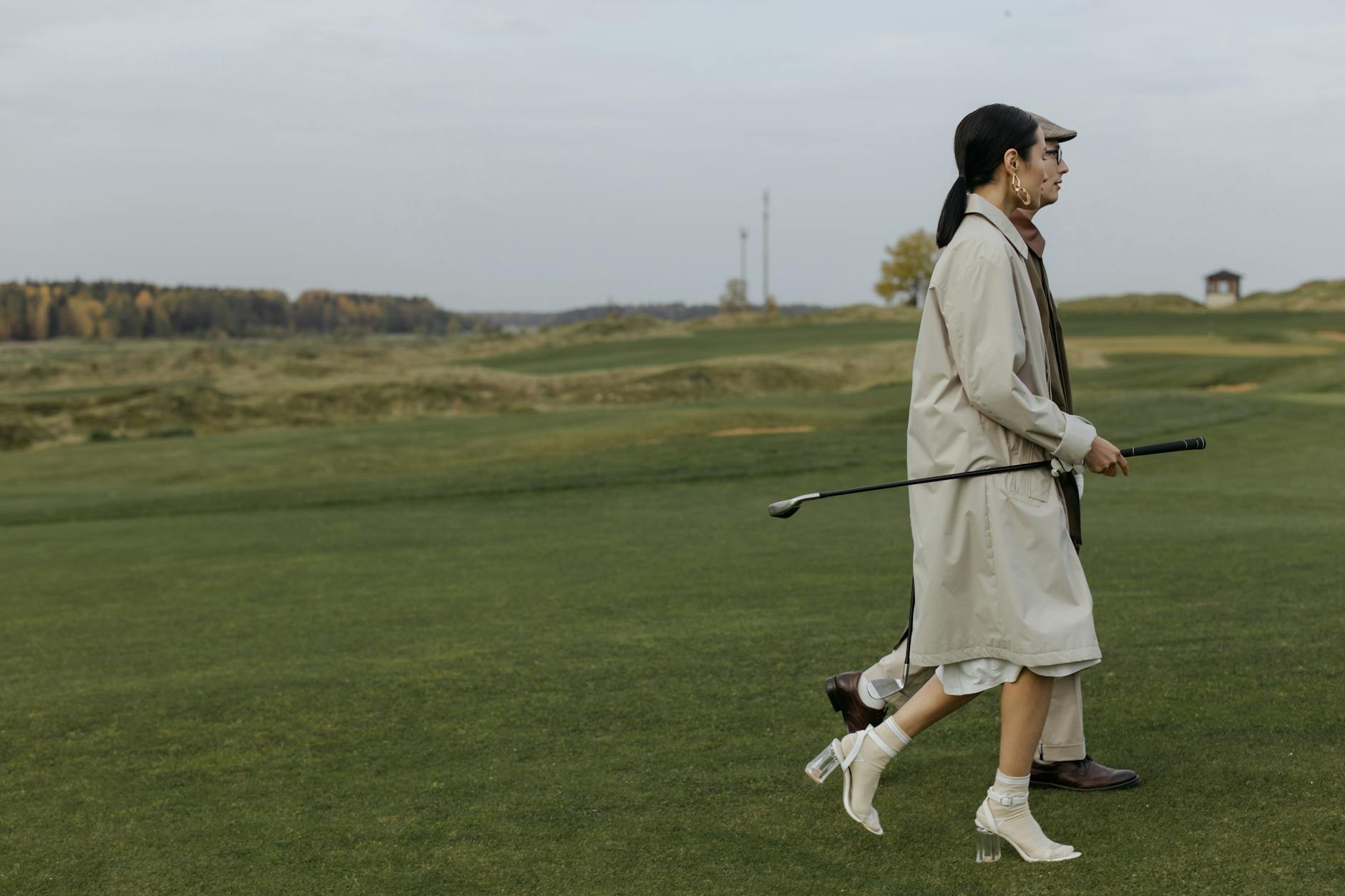
Loewe has placed American artist Kara Walker at the center of its 180th anniversary campaign, using the milestone to connect the Spanish luxury house’s leather-goods history with its long-running art and craft ambitions.
The campaign, released this week and tied to a June 3 capsule launch, was photographed by Talia Chetrit and features Walker alongside actors Julia Garner and Sissy Spacek, Egyptian actor Salma Abu Deif, K-pop performer Giselle of Aespa and Hong Kong actor Kara Wai. Loewe’s own anniversary page says the cast appears with key pieces from the anniversary capsule collection, which draws on the house’s leather heritage and uses a playful lion motif, a reference to the German meaning of the Loewe name.
For U.S. arts and culture readers, Walker’s presence is the sharpest signal in the campaign. Walker, whose work has long examined race, power, violence, gender and historical memory, is not being introduced as a conventional fashion ambassador. Her inclusion gives Loewe’s anniversary rollout a contemporary art anchor and extends the company’s ongoing effort to present craft as a cultural practice rather than merely a luxury category.
ARTnews reported Wednesday that Walker fronts the anniversary campaign and framed the project as a nod to Loewe’s art-filled past. The campaign is not a museum exhibition or a formal artist collaboration in the traditional sense, but its casting and archive-driven messaging speak to the way global fashion houses increasingly borrow the language of cultural institutions: provenance, preservation, patronage, authorship and reinterpretation.
Loewe says it turns 180 in 2026, tracing its origins to a small leather workshop in Madrid in 1846. The brand describes itself as the second-oldest luxury fashion house in the world and says its identity remains rooted in artisanship and leather excellence. That origin story is central to the anniversary campaign, which presents the house not simply as a retailer of handbags and ready-to-wear, but as a keeper of craft traditions that can be updated for contemporary audiences.
The anniversary project centers on several familiar Loewe objects. Wallpaper* reported that the campaign highlights the Flamenco, a bag associated with the 1980s; the Puzzle, introduced in 2015 under former creative director Jonathan Anderson; and the Amazona 180, a new reinterpretation of the Amazona, which Loewe has linked to the social changes of 1970s Spain. Loewe’s website describes the Amazona 180 as a house icon reimagined by Jack McCollough and Lazaro Hernandez, the former Proenza Schouler designers who now serve as Loewe’s creative directors.

The new capsule collection spans handbags, small leather goods and ready-to-wear. Loewe’s product page lists anniversary pieces including lion-themed charms, T-shirts and leather bags, with prices on the U.S. site ranging from hundreds of dollars for charms and apparel to several thousand dollars for handbags. The commercial structure is clear, but the campaign’s cultural framing is equally important: the objects are being positioned as archive carriers, not just seasonal merchandise.
Loewe is also using the anniversary to open parts of its photographic archive to public view. Wallpaper* described the material as including midcentury store interiors, catalogues, campaigns and lookbooks, offering a rare look at how the house presented itself through different design eras. That archive emphasis is especially relevant to American cultural institutions and fashion historians, because luxury houses have increasingly turned archival material into a form of brand capital that overlaps with museum practice.
The house’s art credentials predate the current campaign. Loewe established the Loewe Foundation in 1988, and the foundation is associated with poetry, dance, art and the Loewe Craft Prize. The annual craft prize has helped the company build a bridge between commercial luxury and global maker culture, elevating artists and artisans working in ceramics, fiber, wood, metal, glass, lacquer and other materials. The 180th anniversary campaign sits comfortably within that broader strategy: it turns a brand milestone into an argument about the cultural value of making.
Walker’s role also fits a wider pattern in which luxury brands recruit artists whose work gives campaigns intellectual weight. The risk for any such campaign is that an artist’s practice can be flattened into image-making. In this case, Loewe appears to be leaning less on a specific Walker artwork than on her stature as a major contemporary artist whose career has been deeply engaged with history and visual storytelling. That choice helps the brand connect its own archive language with a recognizable figure in American art.
The campaign’s cast broadens that cultural positioning. Garner brings a Hollywood and streaming-era audience; Spacek adds a multigenerational American film presence; Giselle connects the house to K-pop’s global luxury ecosystem; Salma Abu Deif and Kara Wai extend the campaign’s international range. Walker’s inclusion, however, shifts the ensemble from a celebrity lineup toward a cross-disciplinary portrait of cultural authority.
The anniversary rollout also includes an animated film narrated by Antonio Banderas. Wallpaper* reported that the film emphasizes Loewe’s longevity by noting that the house predates the telephone, the light bulb and the moon landing. The approach is playful, but it serves a strategic purpose: it positions Loewe as a witness to modernity, a brand whose identity depends on surviving successive technological, political and aesthetic shifts.
For Silicon Valley and U.S. creative industries, the campaign is a reminder that heritage brands are competing in an attention economy shaped by images, platforms and cultural partnerships. A luxury house can no longer rely only on runway reviews or retail drops; it also needs archive content, artist participation, cinematic assets and social-media-ready campaign stills. Loewe’s anniversary package is designed for that environment, moving across e-commerce, editorial fashion media, art-news coverage and brand-owned storytelling.
The timing is also notable because the campaign arrives after a major creative transition at Loewe. Jonathan Anderson, widely credited with sharpening the brand’s contemporary identity, left for Dior in 2025 after more than a decade at the house. McCollough and Hernandez’s role in reworking the Amazona 180 gives the anniversary a forward-looking function: it honors the archive while testing how the next creative era will interpret Loewe’s codes.
That balance between preservation and reinvention is the campaign’s central message. The use of Walker does not turn the anniversary into an art event by itself, but it gives the project a clear art-world signal at a moment when fashion houses are increasingly acting like cultural publishers, patrons and archive managers. Loewe’s 180th anniversary is therefore not only a brand birthday; it is a case study in how luxury companies use artists, objects and institutional history to sustain relevance across generations.




Leave a Reply