
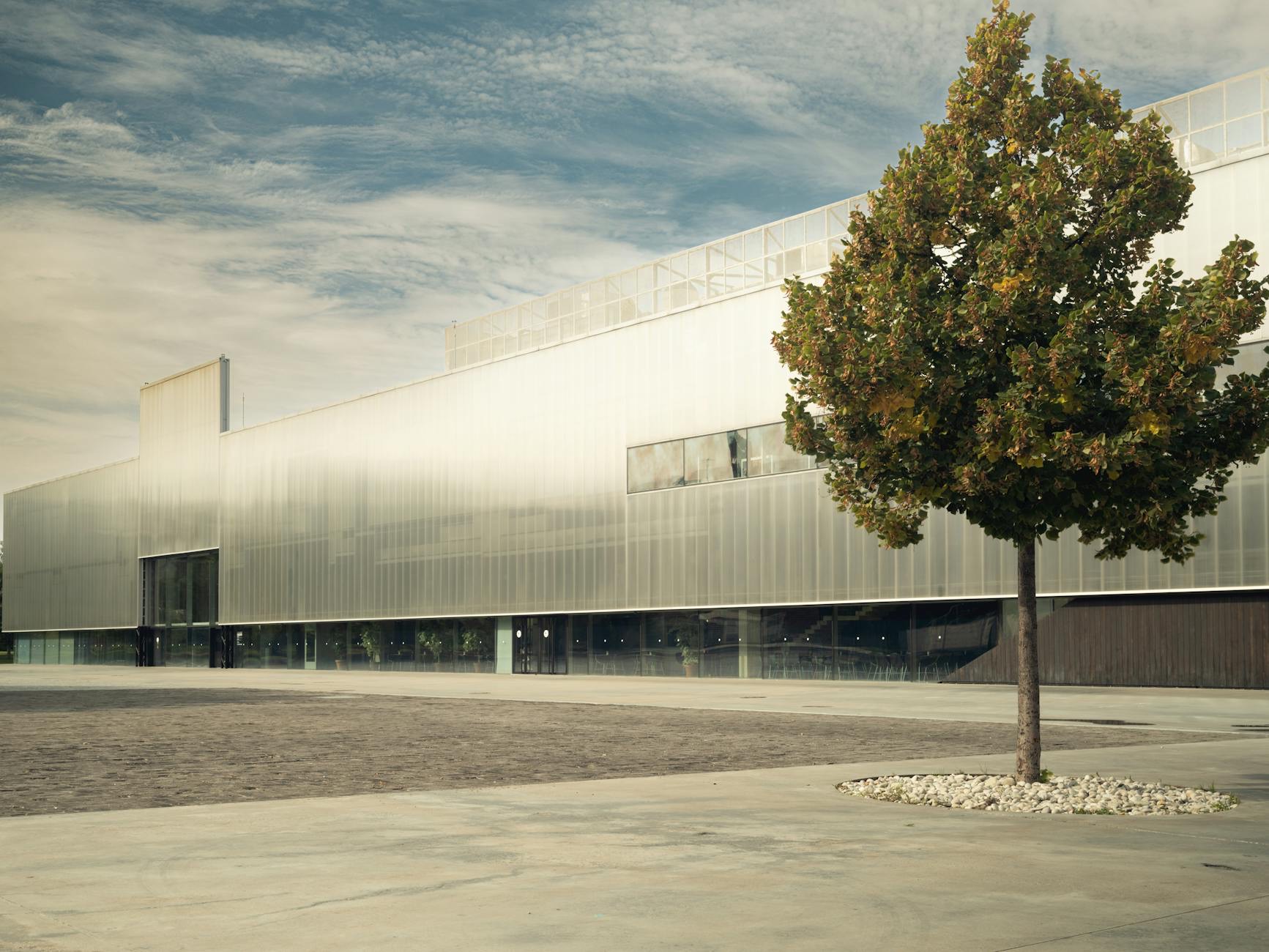
New York Mayor Zohran Mamdani visited MoMA PS1’s “Greater New York 2026” this week, bringing City Hall attention to the Long Island City museum’s flagship survey of artists connected to the metropolitan region.
ARTnews reported on May 21 that Mamdani was among the visitors to the exhibition and attended with New York Assembly Member Claire Valdez. MoMA PS1 also promoted the visit on social media, writing that the mayor had stopped by to see “Greater New York,” the museum’s recurring showcase of work rooted in New York’s artistic and civic life.
The visit was modest as a public appearance, but culturally significant because of where it took place. “Greater New York” has long functioned as one of the city’s major institutional barometers of contemporary art outside Manhattan’s commercial-gallery center. The 2026 edition, on view from April 16 through August 17, arrives during MoMA PS1’s 50th anniversary year and emphasizes the city as a living system shaped by migration, labor, infrastructure, neighborhood memory and political pressure.
MoMA PS1 says the exhibition includes 53 artists and collectives whose practices are tied to New York and its surrounding region. The artist list spans established figures, younger artists, community-centered collectives and practitioners working across video, sculpture, photography, painting, performance and installation. The museum’s press materials identify works by artists including Kenneth Tam, Tiffany Sia, Julia Wachtel, Farah Al Qasimi, Cinthya Santos-Briones, Red Canary Song and others.
Mamdani’s presence gave renewed attention to the exhibition’s civic framing. The mayor, a former Queens assemblyman, has built much of his public identity around affordability, transit, labor and working-class New Yorkers. Those themes overlap with several strands of “Greater New York 2026,” which has been discussed by critics as a show deeply engaged with city life rather than detached art-world formalism.
One of the most discussed works in the exhibition is Kenneth Tam’s “I’M STAYING HOPEFUL AND STRONG (For Bilal and Salah),” a video installation connected to the experience of taxi drivers and the wider medallion-debt crisis that reshaped New York’s yellow-cab industry. MoMA PS1’s official press page lists the work as a 2026 HD video installation with found objects and materials that evoke the visual and social environment of cab life. The New Yorker, in a May issue feature, connected Tam’s work to the city’s history of taxi-driver organizing and to Mamdani’s earlier activism around medallion debt relief.

That connection helps explain why a mayoral visit to a contemporary art exhibition can carry more weight than a routine cultural stop. MoMA PS1 is not simply presenting a survey of recent studio output; the museum is staging an argument about the city’s social fabric. In the current edition, artists address communities and infrastructures that often sit outside the polished image of New York as a global cultural capital. The show’s attention to immigrant workers, neighborhood economies, mutual-aid networks and informal systems of survival makes it especially legible in a political climate dominated by cost-of-living debates.
The exhibition also underscores the changing role of museums in New York’s civic ecosystem. Major cultural institutions are increasingly expected to prove that they serve local publics, not only collectors, donors and tourists. MoMA PS1, founded in 1976 in a former public school building, has long leaned into an identity distinct from the Museum of Modern Art’s Midtown flagship: more experimental, more porous to artists’ processes and more closely associated with Queens and the outer boroughs.
That local identity has been especially prominent during the museum’s 50th anniversary programming. On April 18, MoMA PS1 marked the milestone with a public celebration, and the institution said Mamdani had made April 18 “MoMA PS1 Day” in New York City. The timing placed “Greater New York 2026” at the center of the anniversary season, using the museum’s own history to make a broader statement about contemporary art’s place in public life.
The mayoral visit also comes as cultural institutions across the United States face competing pressures: rising operating costs, uneven attendance patterns, donor scrutiny, debates over free expression and demands for more inclusive programming. In that environment, elected officials’ engagement with museums can signal public support for arts infrastructure while also inviting closer scrutiny of how institutions represent the communities around them.
For MoMA PS1, “Greater New York 2026” offers a timely answer to that challenge. The exhibition does not present New York as a finished cultural brand. Instead, it treats the city as unstable, layered and contested, shaped by people whose labor and histories are often peripheral to official narratives. That approach aligns with the broader direction of many U.S. museums that are rethinking permanent hierarchies and giving more attention to artists working through social practice, documentary forms, community archives and hybrid installation.

Mamdani’s visit with Valdez also places the show within a Queens political and cultural geography. Long Island City has undergone dramatic changes over the past two decades, including high-rise development, waterfront rezoning, rising rents and intensified debates over who benefits from cultural investment. MoMA PS1 sits within that transformation: a globally recognized institution embedded in a borough where questions of affordability, displacement and public space are immediate rather than theoretical.
The arts-news significance is therefore twofold. First, the visit boosts attention for an exhibition already positioned as one of New York’s major contemporary art events of the season. Second, it highlights how elected officials are increasingly using cultural spaces as venues for civic storytelling. For Mamdani, appearing at “Greater New York” reinforces an image of a mayor engaged with the city’s creative communities and with cultural narratives rooted outside traditional centers of power.
The visit is unlikely to change the exhibition’s critical fate on its own. Reviews and public response will continue to turn on the strength of the work, the curatorial argument and the museum’s ability to draw audiences through the summer. But the appearance adds a new layer to the show’s reception, particularly because “Greater New York 2026” is already concerned with the conditions of city life that local government helps shape.
For visitors, the practical takeaway is straightforward: the exhibition remains on view through August 17 at MoMA PS1 in Long Island City. For the broader cultural field, Mamdani’s stop is another sign that contemporary art in New York is being pulled more explicitly into conversations about public life, local governance and who gets to define the city’s story.




Leave a Reply