
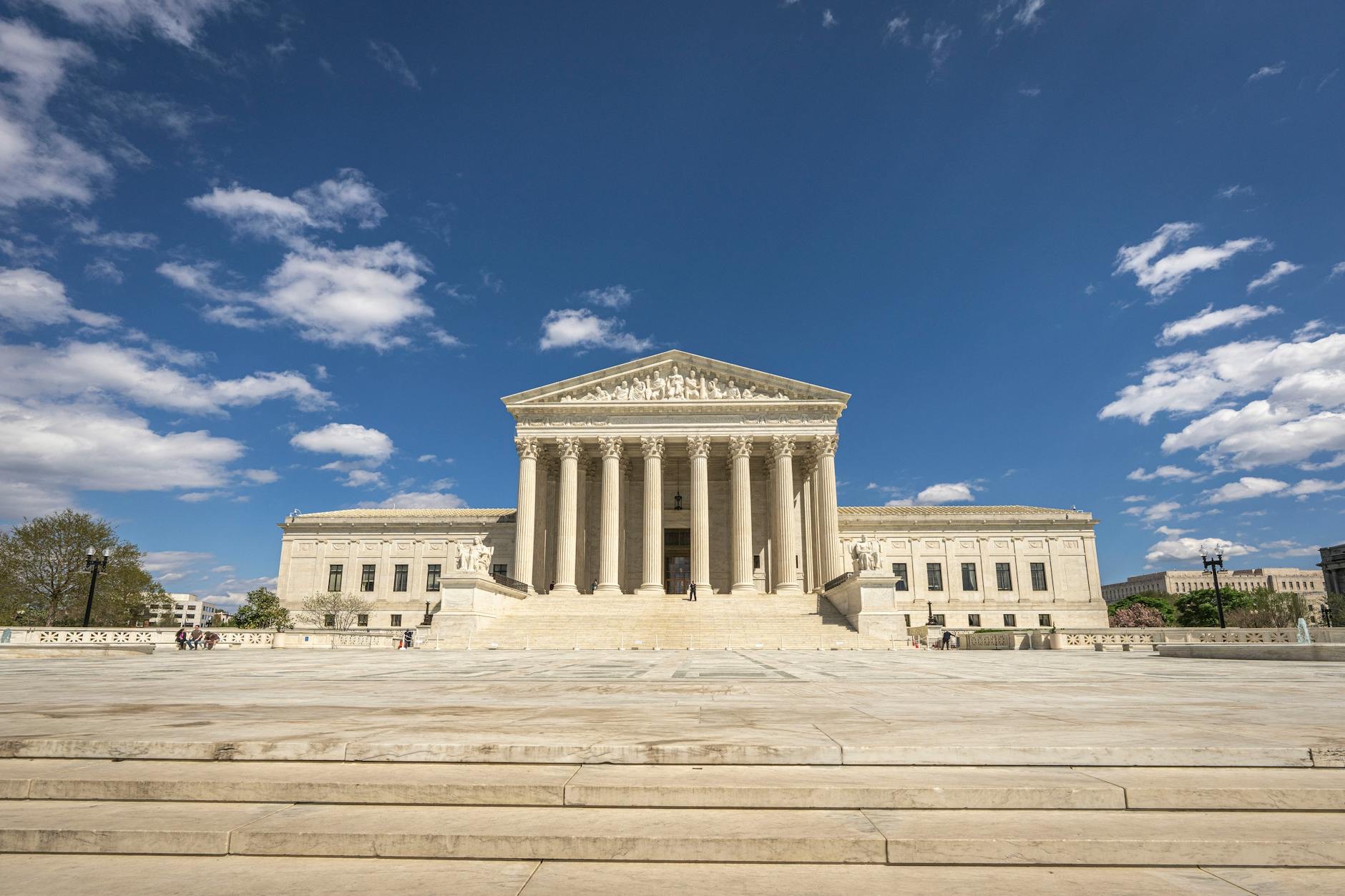
The Supreme Court on Thursday sided with a U.S. company whose dock facilities in Havana were seized after the Cuban revolution, reviving claims against major cruise lines accused of profiting from the confiscated property when they brought passengers to Cuba during the Obama-era opening in relations.
In an 8-1 decision, the justices ruled for Havana Docks Corp. in its case against Royal Caribbean Cruises Ltd., Carnival Corp., Norwegian Cruise Line Holdings and MSC Cruises. The court said the 11th U.S. Circuit Court of Appeals used the wrong legal approach when it concluded that the company could not pursue claims because its original concession would have expired in 2004, before the cruise lines used the docks between 2016 and 2019.
Justice Clarence Thomas, writing for the majority, said the Cuban Liberty and Democratic Solidarity Act, commonly known as the Helms-Burton Act, imposes liability on those who use confiscated property tied to an American-owned claim. The court vacated the appeals court’s ruling and sent the case back for further proceedings, leaving unresolved other arguments the cruise companies have raised against liability.
The dispute centers on dock facilities at the Port of Havana. Havana Docks built and operated the facilities before Cuba’s revolutionary government seized them in 1960. Decades later, after Washington temporarily loosened travel restrictions and cruise companies began offering trips to Cuba, the companies used the port to embark and disembark passengers. Havana Docks sued under Title III of the Helms-Burton Act, arguing that the cruise lines had trafficked in property confiscated by the Cuban government.
The case gives new practical importance to a legal provision that was dormant for more than two decades. Title III of the 1996 law created a private right of action for U.S. nationals with claims to property confiscated by Cuba, but successive presidents suspended that provision until the Trump administration allowed it to take effect in 2019. That shift opened the door to lawsuits against companies accused of benefiting from nationalized Cuban assets.

Havana Docks won in federal district court, where judgments exceeded $100 million against each of the cruise companies. The 11th Circuit reversed, reasoning that Havana Docks’ concession would have ended in 2004 even if Cuba had not confiscated the property, and that the cruise lines’ later use therefore did not trigger liability under the statute. The Supreme Court rejected that view, concluding that the relevant inquiry is whether the defendant used confiscated property to which the claimant owns a claim, not whether the claimant would still possess the property in a hypothetical world without confiscation.
The majority opinion emphasized the statutory design of the Helms-Burton Act, which was aimed at deterring commercial use of property confiscated by Cuba after the 1959 revolution. Thomas wrote that the law reaches trafficking in confiscated property where an American entity owns the claim, and that the appeals court’s counterfactual expiration analysis did not match the text Congress adopted.
Justice Sonia Sotomayor wrote separately in a concurrence joined by Justice Brett Kavanaugh. Justice Elena Kagan dissented, agreeing with the cruise lines’ narrower view that Havana Docks’ relevant property interest had expired before the cruise operators’ alleged trafficking began. Her dissent underscored the statutory-interpretation divide in the case: whether the law protects a claim tied to the confiscated asset itself, or only a property interest that would have remained active at the time of the challenged commercial use.
The ruling does not immediately end the litigation. The Supreme Court noted that additional defenses raised by the cruise lines were not before the justices, meaning the companies can continue contesting liability or damages in the lower courts. Reuters reported that Carnival said it would continue to defend the case, while other parties either declined comment or did not immediately comment.

The decision is also being watched beyond the cruise industry. The Supreme Court has had before it related disputes over Cuban confiscations, including claims involving ExxonMobil and Cuban state-linked entities. Those cases are part of a broader legal landscape involving U.S. certified claims for property nationalized after Castro came to power, including ports, refineries, utilities and other assets once owned or controlled by American companies.
For the travel industry, the case is tied to a specific period in U.S.-Cuba relations. From 2016 to 2019, cruise operators expanded Cuba itineraries after the Obama administration eased travel restrictions and diplomatic contact with Havana increased. The Trump administration later reversed much of that opening and allowed Helms-Burton Title III lawsuits to proceed, exposing companies that had done business involving Cuban assets to new legal risk.
The court’s ruling does not decide the broader future of U.S.-Cuba commercial engagement, but it strengthens one enforcement tool available to American claimants. It signals that companies accused of using confiscated Cuban property may face litigation even when the original property interest had a time limit that would have expired before the alleged use. That interpretation could make it harder for defendants to defeat claims at an early stage solely by pointing to the expiration date of an original concession, lease or operating right.
The case now returns to the 11th Circuit, where the lower courts must apply the Supreme Court’s interpretation and address remaining issues. For Havana Docks, the ruling restores a path toward recovery in a dispute rooted in Cold War-era property seizures. For the cruise lines and other companies with Cuba-related exposure, it keeps alive a high-stakes category of claims under one of the most politically charged statutes in U.S. foreign economic policy.




Leave a Reply