
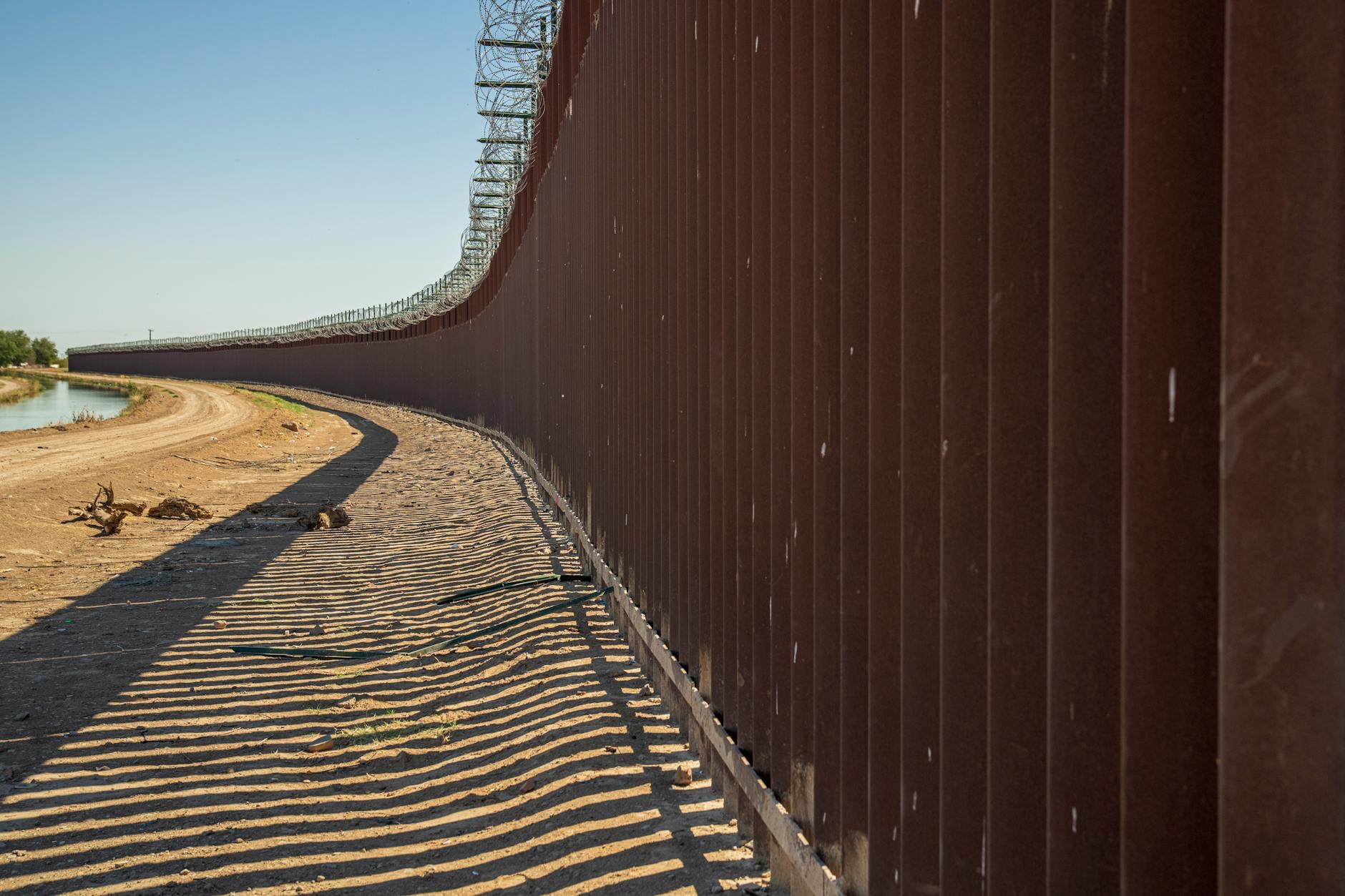
A federal judge in Austin signaled Wednesday that major portions of Texas’ sweeping immigration law are likely unconstitutional, but he also indicated he may not issue a ruling before the statute is set to take effect Friday, leaving state officials, immigrant advocates and local law enforcement agencies facing an unsettled legal landscape.
U.S. District Judge David Alan Ezra made the comments during a hearing on a request to temporarily block parts of Senate Bill 4, the 2023 Texas law that created a state crime for crossing the Texas-Mexico border without authorization and gave state judges a pathway to order people removed from the United States. The law has been at the center of a long-running fight over whether Texas can move immigration enforcement powers traditionally reserved for the federal government into state courts and police departments.
Ezra said the emergency request raised complicated legal questions and suggested that he may not be able to rule before Friday, when the law is scheduled to become effective. But his questioning from the bench made clear that he viewed some provisions as constitutionally vulnerable, particularly those involving state judicial authority over removal and criminal liability for reentry into Texas.
The judge said he believed those parts of SB 4 were unconstitutional, according to The Texas Tribune, and questioned how a state could assume authority over an international border in a way that would normally fall under federal immigration law. His comments echoed concerns that have followed the statute since it was passed: whether Texas can create a parallel immigration-enforcement system without conflicting with federal law and the Constitution’s allocation of national immigration powers.
The latest lawsuit was filed this month by two individual plaintiffs challenging components of the law after an earlier case was derailed on procedural grounds. The plaintiffs argue that Texas is attempting to give state judges authority to make decisions that effectively amount to removal orders, a function they say belongs only to the federal government. They also challenge provisions that criminalize illegal reentry into Texas, saying the law lacks adequate protections for people who may have lawful immigration status, pending claims, federal permission to enter or other defenses recognized under federal immigration procedures.
The case follows a major ruling from the 5th U.S. Circuit Court of Appeals last month that allowed SB 4 to move toward enforcement after the court found the plaintiffs in the earlier challenge lacked standing to sue. That decision vacated a lower-court injunction but did not decide whether the Texas law was constitutional. The new lawsuit seeks to put those merits questions back before the federal courts through individual plaintiffs who say they are at risk under the law.

Texas officials have defended SB 4 by arguing that the measure mirrors federal immigration provisions and falls within the state’s power to respond to unlawful border crossings. Republican state leaders have repeatedly described the situation at the border as an invasion and have said Texas must be able to protect itself when federal enforcement is inadequate. The state’s position has made SB 4 a central legal test of how far state governments can go in policing immigration.
At Wednesday’s hearing, David Bryant, representing Texas Department of Public Safety Director Freeman Martin, urged Ezra to deny the emergency request and dismiss the case. Bryant argued that the law had not yet taken effect and that DPS had not finalized how it would enforce SB 4. He also said there was no imminent enforcement of the law at that stage, an argument aimed at undercutting the plaintiffs’ claim that immediate judicial intervention was necessary.
Ezra pressed the state on how its invasion argument fits current border conditions. Crossings reached record levels when Texas lawmakers debated SB 4, but they have fallen sharply since then following federal policy changes and a tougher enforcement posture. The judge asked whether Texas still maintained that an invasion was underway, given the changed circumstances. The state acknowledged lower crossings but did not abandon the argument.
The Biden administration’s Justice Department previously challenged SB 4, arguing that the law was preempted by federal immigration law. Under the Trump administration, federal opposition to the statute ended, and Ezra said from the bench that the federal government planned to file a brief supporting Texas in the new case. That shift adds national political weight to the litigation, because it changes the federal government’s position in a dispute over the boundary between state and federal immigration authority.
SB 4 would allow Texas authorities to arrest people suspected of illegally crossing the border and would make unauthorized entry a state misdemeanor. It also directs state magistrate judges to order certain defendants to leave the country for Mexico in lieu of prosecution or after conviction. Critics say those mechanisms would put local police, county jails and state judges into immigration functions they are not equipped or constitutionally permitted to perform.

Immigrant-rights groups also warn that the law could sweep in people with complex immigration histories, including lawful permanent residents, asylum seekers, people with pending federal proceedings or people with other forms of legal permission to remain in the country. The ACLU of Texas and partner organizations said in announcing the new lawsuit that SB 4 threatens people who have families and long-standing ties in Texas and would shift federal immigration responsibilities onto state actors.
For local agencies, the uncertainty is immediate. DPS already works with U.S. Immigration and Customs Enforcement through task forces and agreements that allow some officers to assist federal immigration agents. SB 4 would go further by creating state-law immigration offenses and a state-court removal pathway. Without a ruling before Friday, law enforcement agencies may face questions about whether to begin implementing the statute and how to do so without triggering new constitutional claims.
For immigrant communities, the hearing adds to a volatile period in which immigration enforcement, deportation policy and state-level border operations remain central national issues. Texas has invested heavily in border enforcement through Operation Lone Star and related measures, while civil rights groups have challenged several state actions as intrusions into federal authority or threats to due process.
Ezra said he intended to issue an order addressing the request for a preliminary injunction, the request for a temporary restraining order and the state’s motion to dismiss. His comments did not amount to a final ruling, and the timing remains critical: unless the court blocks the challenged provisions before Friday or another court intervenes, parts of SB 4 could become enforceable while the constitutional fight continues.
The hearing leaves Texas at a familiar point in the SB 4 litigation: the state has a law poised for enforcement, opponents have renewed their challenge, and the courts have not yet delivered a final merits ruling on whether the statute can coexist with federal immigration authority. Ezra’s remarks strongly suggested skepticism, but the practical question for the coming days is whether that skepticism becomes an order before the law takes effect.




Leave a Reply