
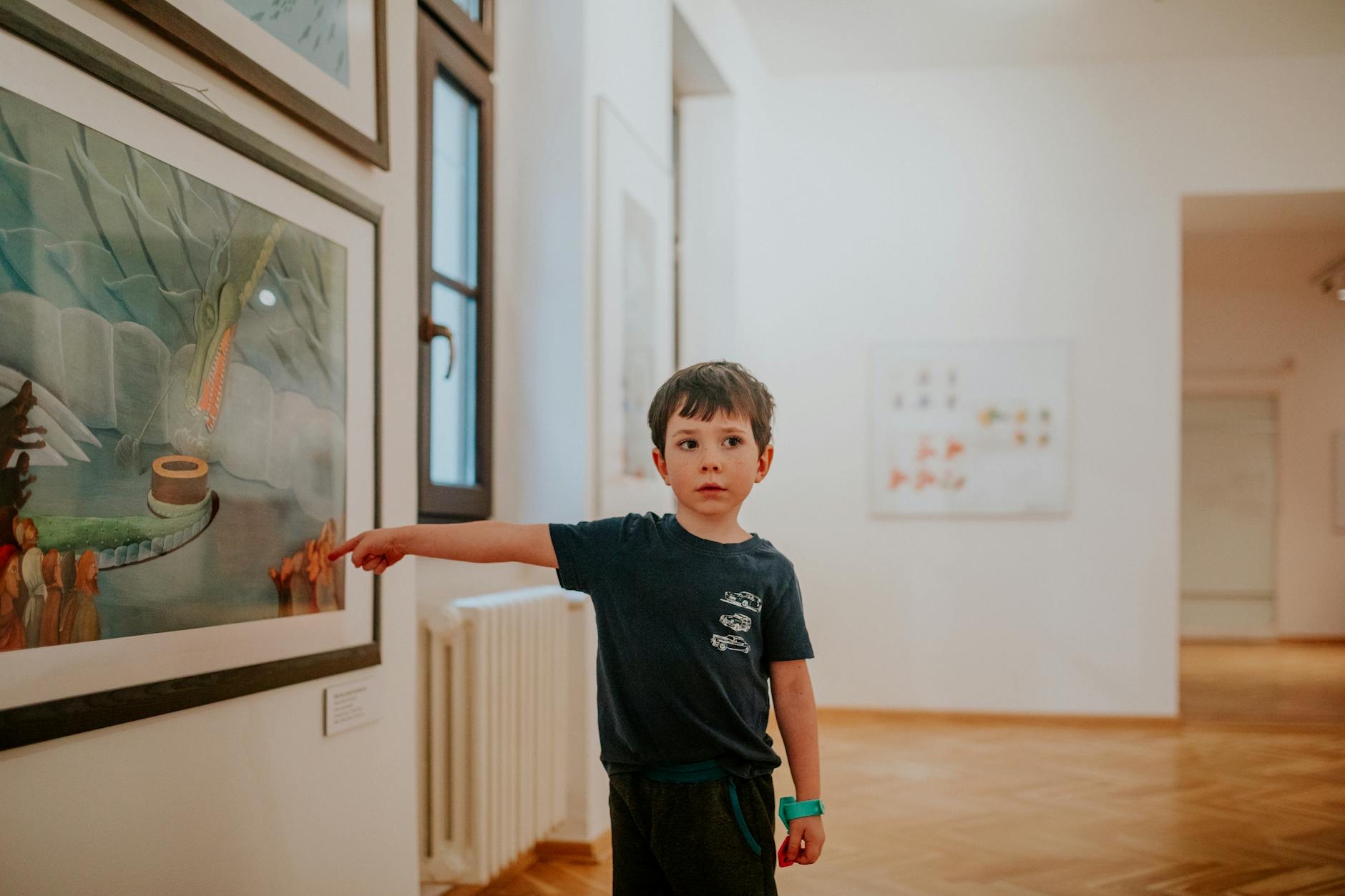
ARTnews’ May 12 morning links roundup spotlighted a University College London study that says engagement with arts and culture is associated with slower biological aging, giving museums, galleries, libraries and performing arts groups a timely new research finding as they argue for broader public access and institutional support.
The item, published as “Study Says Enjoying Art Makes You Younger, Nonprofit Sues Trump Administration Over Changes to Lincoln Memorial Reflecting Pool, and More: Morning Links for May 12, 2026,” pointed readers to research that has quickly circulated through arts and science coverage. The study, published in the journal Innovation in Aging, examined whether arts and cultural engagement may be related to epigenetic aging, a biological measure based on chemical changes in DNA that researchers use to estimate aging processes and disease risk.
The research team drew on blood test and survey-response data from 3,556 adults participating in the UK Household Longitudinal Study. Participants were asked about their engagement with arts and culture over the previous year, including active pursuits such as singing, dancing, painting, photography and crafts, as well as attendance or visits to art exhibitions, cultural events, museums, libraries, archives, monuments, historic buildings and heritage sites.
The study found that more frequent and more diverse engagement with the arts was linked to slower biological aging across selected epigenetic measures. According to coverage of the findings, weekly arts engagement was associated with a slower pace of aging than rare engagement, and one measure suggested that people taking part at least weekly were, on average, about one biological year younger than those who rarely participated. Researchers also compared the magnitude of the association with other health-related behaviors, while cautioning that the study does not prove a direct cause-and-effect relationship.
That caveat matters. The research is observational, and people who regularly attend cultural events or take part in creative activities may differ from less engaged participants in income, education, neighborhood access, health status, social networks or other factors that can also shape aging outcomes. The study accounted for a range of variables, but it cannot fully eliminate the possibility that arts engagement is partly standing in for broader social and economic advantages. The authors nevertheless framed the findings as meaningful evidence that arts and cultural engagement should be considered alongside other health-promoting behaviors.

For U.S. arts and culture organizations, the timing is significant. Museums, theaters, orchestras, libraries and community arts nonprofits have spent years rebuilding audiences after pandemic disruptions while contending with higher operating costs, uneven public funding and changing attendance patterns. Research that connects cultural participation with measurable health markers gives those institutions another argument for why access programs, free-admission days, community partnerships and arts education should be viewed as civic infrastructure rather than discretionary amenities.
The study also lands in a policy environment where “social prescribing” — the practice of referring people to nonclinical activities such as exercise groups, volunteering, nature programs or arts activities — has drawn increasing attention in health systems outside the United States and growing interest among American public-health advocates. While the U.S. health system has not adopted social prescribing on the same scale as the UK, the idea that creative and cultural engagement can support well-being is increasingly relevant to aging policy, mental-health programs and community-based care.
UCL’s release described the findings as evidence that engaging with arts is linked to slower aging at the biological level. The strongest results were reported among adults aged 40 and older, an age group especially relevant for preventive health strategies because biological aging markers are often studied for their relationship to later-life disease risk. Researchers used several epigenetic clocks, including newer measures designed to estimate the pace of aging rather than simply estimate biological age.
The activities captured by the study were broad. They were not limited to elite art consumption or formal museum attendance. Singing, dancing, painting and crafting counted alongside visits to exhibitions, libraries and heritage sites. That breadth may be important for U.S. cultural institutions because access to expensive performances or major museums remains uneven across geography and income levels. Community arts classes, public library programs, school-based arts education and local cultural events may offer more scalable points of entry than major-ticket events alone.
The ARTnews roundup format also underscores how the story sits at the intersection of art, public life and institutional politics. Morning links columns typically gather multiple developments from across the art world, and the May 12 edition paired the aging-study item with other arts-sector news, including a legal fight over changes connected to the Lincoln Memorial Reflecting Pool. For a general U.S. arts audience, the study’s appeal is unusually broad: it takes a familiar claim — that art is good for people — and attaches it to biological data rather than only mood, education or cultural value.

Still, the findings should not be read as medical advice or as a substitute for established health behaviors. The study does not show that visiting a museum or joining a choir will independently extend lifespan, nor does it identify a precise dose of cultural activity that would produce a guaranteed effect. It also relies on UK data, so more research would be needed to test whether the same patterns hold across U.S. populations, including communities with different cultural habits, racial and economic disparities, and uneven access to arts institutions.
Even with those limits, the research may prove useful for cultural leaders seeking to build partnerships beyond the arts sector. Museums and performing arts groups have increasingly collaborated with schools, senior centers, hospitals and local governments. A study connecting arts engagement with epigenetic aging gives those partnerships a stronger evidence-based vocabulary. Rather than framing arts participation only as enrichment or entertainment, institutions can point to a growing body of research that treats cultural engagement as part of social well-being.
The practical question for U.S. arts organizations is whether such findings can be translated into access. If cultural participation is linked to healthier aging, the benefits are likely to be distributed unevenly unless programs reach people who face cost, transportation, disability, language or neighborhood barriers. That makes free and low-cost programming, public libraries, community museums, school arts funding and neighborhood cultural centers central to how the study may be interpreted in an American context.
For readers of ARTnews’ May 12 roundup, the takeaway is not that art literally reverses age, but that regular contact with art and culture is gaining scientific support as a potentially meaningful part of healthy living. The study gives artists, museum directors, health researchers and public officials a common point of discussion: access to culture may have measurable implications beyond the gallery wall.




Leave a Reply