
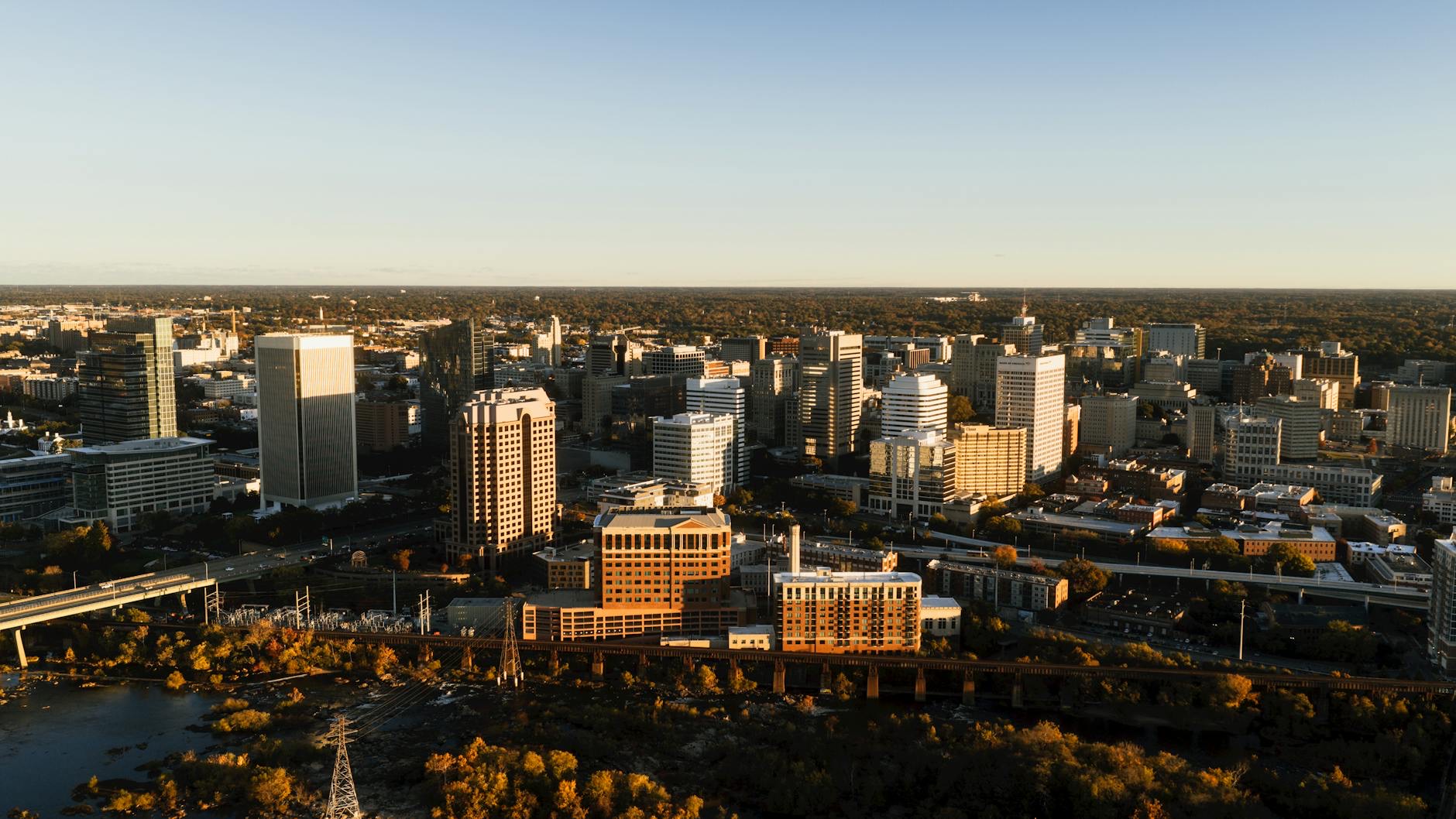
Durham, North Carolina, has been placed among CNN Travel’s 25 most underrated U.S. destinations, giving the Bull City a new burst of national attention for a cultural profile built around live performance, museums, adaptive reuse, food and a downtown arts scene that has steadily moved beyond its former tobacco-town image.
The list, republished by WRAL on May 11, framed Durham as one of several U.S. places that remain below the radar compared with heavily trafficked destinations such as Disney World, Times Square and Yellowstone National Park. The article grouped Durham with cities, regions, national parks and even entire states that CNN described as still “refreshingly underrated,” a label that can be especially valuable for communities trying to convert cultural credibility into tourism, hotel demand and repeat visitation.
For Durham, the designation arrives as its arts and entertainment ecosystem has become one of the clearest ways the city presents itself to visitors. The city’s national appeal is not built around a single institution. Instead, it is layered across a walkable downtown, restored industrial landmarks, a major performing arts center, university-linked museums, independent restaurants, public art, music programming and a civic identity that often blends research, medicine, education and creative entrepreneurship.
At the center of that story is the Durham Performing Arts Center, known widely as DPAC. The venue has become one of the strongest indicators that Durham can draw regional and national audiences for touring Broadway, concerts, comedy and family programming. DPAC said in a December 2025 release that it welcomed more than 550,000 guests to 241 performances in 2025 and ranked as a top-three U.S. theater in Billboard’s year-end rankings. The venue also said it had welcomed more than 7.2 million guests since opening in 2008.
Those numbers matter because they show how a city not traditionally grouped with the largest U.S. arts capitals can still support high-volume live entertainment. DPAC’s own economic impact materials say hundreds of thousands of guests come to Durham each season, with three out of four guests coming from outside the city. That visitor base feeds restaurants, hotels, parking, retail and nightlife, making the arts district part of Durham’s broader urban economy rather than a stand-alone amenity.
Durham’s cultural identity is also closely tied to the American Tobacco Campus, the historic redevelopment near DPAC and Durham Bulls Athletic Park. Discover Durham describes the campus as a major example of the city’s blend of old and new, noting that the American Tobacco Company once controlled nearly 90% of the U.S. tobacco market and helped fuel Durham’s growth in the 19th and 20th centuries. The old warehouses were later transformed through a major revitalization into a mixed-use district that now functions as a public-facing entertainment, dining, office and gathering space.

That conversion is central to why Durham can read as both historic and contemporary. The Lucky Strike tower, restored brick structures and public spaces at American Tobacco give visitors a visible link to the city’s industrial past, while restaurants, offices, concerts and nearby venues place that history inside a modern cultural economy. Discover Durham has also highlighted free Duke Arts concerts under the Lucky Strike Tower, showing how the campus is used not just as a redevelopment project but as a stage for local cultural programming.
The museum landscape adds another layer. The Nasher Museum of Art at Duke University gives Durham an institutional arts anchor with national reach. Discover Durham describes the Nasher as Duke University’s focal point for visual arts and notes that its permanent collection focuses on work by underrepresented artists and artists of African descent, alongside medieval art, pre-Columbian American works, classical pieces and modern and contemporary holdings. The museum also hosts lectures, artist talks, films and social gatherings, extending its role beyond exhibitions alone.
That emphasis on underrepresented artists is particularly relevant to Durham’s cultural positioning. Many U.S. cities are trying to brand themselves as creative destinations, but Durham’s case rests partly on institutions and community spaces that connect arts programming with questions of history, race, education and public life. The city’s cultural economy is not limited to ticketed shows. It includes Black arts networks, university programming, small venues, food entrepreneurs, public history projects and neighborhood-level events that shape the visitor experience.
Downtown Durham Inc. describes the city center as a place with nearly 150 restaurants and bars, as well as live music, Broadway plays, art installations, dance and film festivals, and the Durham Bulls. That concentration is important because cultural tourism increasingly depends on itinerary density: visitors want to attend a show, walk to dinner, find late-night options, visit a museum and experience a city’s street life within a compact area. Durham’s downtown has become more competitive because those elements are clustered rather than scattered.
The CNN mention also reflects a wider shift in U.S. travel coverage. After years of crowding at globally known destinations and rising costs in the largest cities, travel lists increasingly elevate smaller markets that offer cultural depth without the same congestion. For readers, “underrated” often signals a place that has enough restaurants, venues, galleries and outdoor or historic assets to fill a weekend, but not so much national saturation that the destination feels overpackaged.

That framing can be useful but also imprecise. Durham is not unknown in the Southeast. It is part of the Research Triangle, sits near Raleigh and Chapel Hill, and has long drawn visitors through Duke University, college sports, medical institutions and business travel. What the CNN list appears to amplify is a more specific claim: Durham remains underappreciated nationally as a leisure and arts destination, especially for travelers who may know the region for universities and technology but not for theater, museums, restaurants and cultural redevelopment.
For cultural institutions, the attention can help in practical ways. National travel recognition can influence weekend trip planning, convention decisions, tour routing, hotel bookings and media narratives. It can also help smaller arts markets compete for audiences who might otherwise default to larger coastal cities. A mention from CNN does not guarantee new funding or attendance growth, but it gives local tourism officials and venues another nationally recognizable reference point when promoting the city.
The designation also comes with a challenge. As more visitors discover Durham, the city will need to balance growth with the local character that makes it appealing. The same mix of independent restaurants, historic spaces, university arts programming and community-rooted culture that helps Durham stand out can be vulnerable to rising rents, commercial homogenization and pressure on small venues. For many midsize cultural cities, the test is whether national attention strengthens the creative ecosystem or simply accelerates demand around it.
For now, Durham’s placement on CNN’s underrated-destinations list functions as a cultural validation more than a conventional travel accolade. It puts a national spotlight on a city whose arts identity has been built gradually through performance venues, museum programming, adaptive reuse and dense downtown activity. In a U.S. arts landscape often dominated by the same major metros, Durham’s recognition suggests that the next wave of cultural travel may be driven as much by places with layered local scenes as by cities with the biggest institutions.




Leave a Reply