
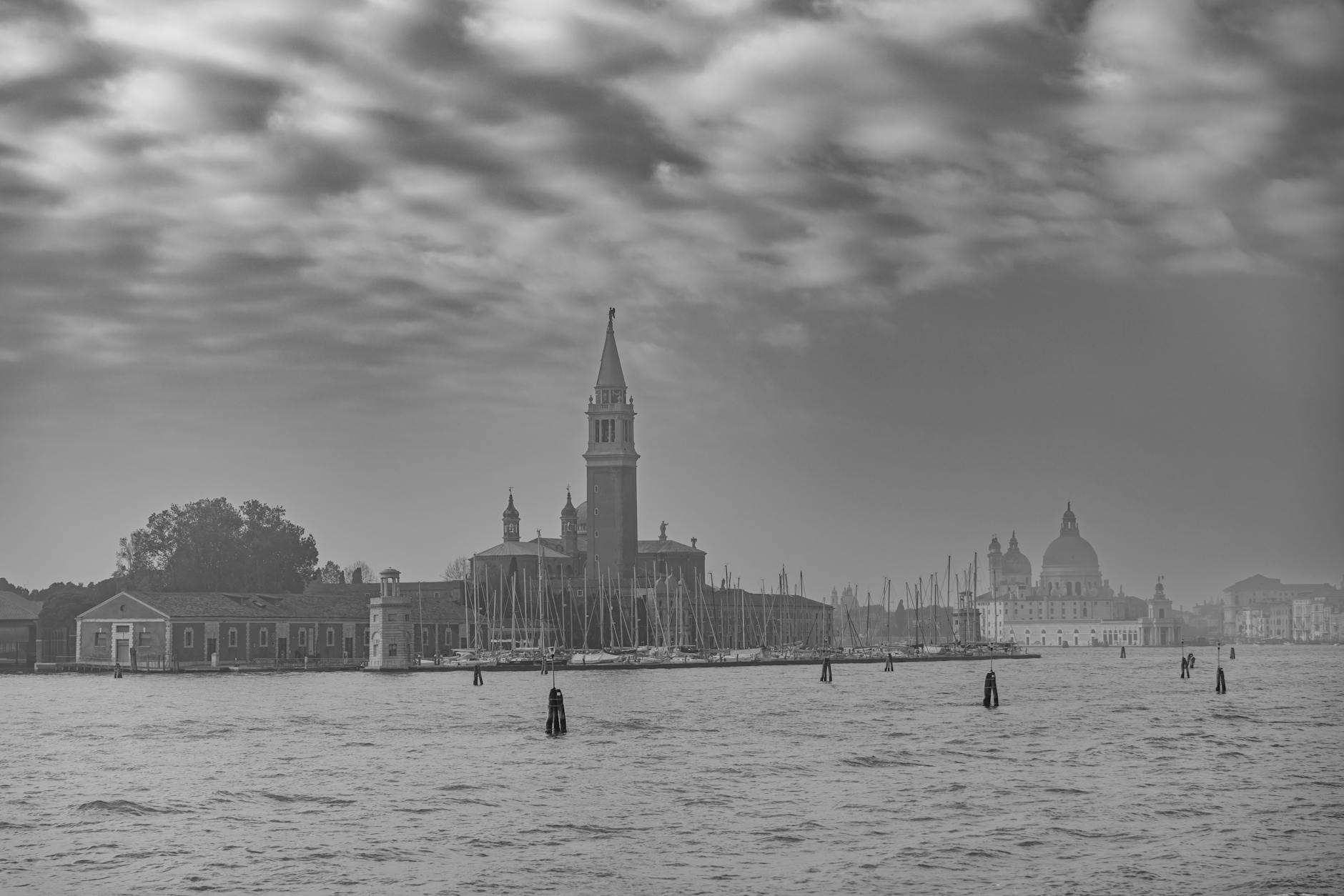
The 2026 Venice Biennale has opened with a spotlight on Alma Allen, a Los Angeles-based sculptor whose work has long operated outside the traditional gallery and museum circuits. Allen’s U.S. Pavilion exhibition features a series of large-scale, hand-carved sculptures in wood, bronze, and mixed media, emphasizing flowing forms that evoke natural processes such as erosion, growth, and cellular formation. The works’ tactile qualities encourage viewers to engage not just visually but almost physically, prompting reconsideration of scale, texture, and presence in contemporary sculpture.
Allen, whose career trajectory has often been characterized as “outsider” due to his self-directed practice and limited early institutional exposure, joins a growing cohort of artists whose work challenges the traditional boundaries of what is considered mainstream contemporary art. The U.S. Pavilion’s curators highlighted Allen’s ability to merge organic inspiration with abstract modernist formalism, a synthesis that speaks to both personal expression and broader cultural dialogues. His sculptures, some exceeding human height, are arranged throughout the pavilion to create immersive pathways, allowing viewers to navigate spaces that alternate between intimacy and monumentality.
Critics have praised the exhibition for its conceptual coherence and its ability to foreground materiality as a primary vehicle of meaning. The choice of Allen represents a deliberate departure from prior Biennale selections, which often favored artists with extensive international gallery representation or institutional support. According to pavilion statements, this shift signals a conscious effort to expand the spectrum of American cultural voices and to recognize excellence beyond conventional gatekeeping structures.
In interviews, Allen described his process as “a dialogue with materials,” emphasizing patience, intuition, and responsiveness to the inherent qualities of wood and bronze. His sculptures are noted for their organic undulations and seamless transitions, which create a sense of movement and vitality despite the immobile medium. Visitors to the pavilion report an almost meditative engagement, as the sculptures’ fluid surfaces and shadow play invite lingering observation and reflection.

The U.S. Pavilion’s decision to feature Allen also carries symbolic weight. It challenges assumptions about artistic legitimacy, suggesting that national representation can extend beyond institutional accolades or market visibility. This approach aligns with broader cultural initiatives seeking to elevate underrepresented or nontraditional creators, reinforcing a narrative of inclusivity and innovation in the American arts sector. By placing Allen’s work on one of the world’s most visible contemporary art stages, the pavilion amplifies discourse around outsider art and encourages international audiences to reconsider hierarchies within the contemporary art world.
Beyond aesthetic considerations, Allen’s work resonates with environmental and philosophical themes. His forms frequently echo natural structures, such as eroded landscapes, cellular networks, and botanical patterns. The sculptures’ scale and material presence invite reflection on human interaction with natural processes, eliciting contemplation on sustainability, temporality, and the intersection of culture with ecology. Such readings have made the U.S. Pavilion a focal point for discussions on how contemporary art can engage pressing ecological and societal concerns through abstraction and form.
Art historians attending the Biennale note that Allen’s inclusion signifies a broader institutional acknowledgment of creative practices that develop outside conventional academic or commercial frameworks. “It’s a rare moment where an outsider artist is given a platform on par with more established peers,” said one critic from a major European art journal. “The pavilion is sending a message about the breadth and adaptability of American contemporary art.”

The exhibition also incorporates ancillary programming, including artist talks, workshops, and multimedia documentation of Allen’s process. This contextualization provides visitors with insights into the labor, decision-making, and conceptual underpinnings of each piece, further demystifying the creative process and enhancing engagement with audiences who might not typically encounter large-scale sculptural practice. The pavilion thus functions as both a display and an educational platform, extending the reach of Allen’s influence beyond visual appreciation alone.
Reception among international visitors has been largely positive, with commentators emphasizing the tactile immediacy and aesthetic originality of Allen’s sculptures. Many note the contrast between his work and more commercially-oriented installations in other national pavilions, citing a sense of authenticity and integrity that resonates in the crowded context of the Biennale. By foregrounding such qualities, the U.S. Pavilion positions itself as an advocate for experimental, material-focused practices that prioritize process and presence over spectacle.
As the Venice Biennale continues through the summer, Alma Allen’s U.S. Pavilion exhibition is expected to influence curatorial discourse, inspiring reconsideration of selection criteria and the role of outsider perspectives in global art narratives. The pavilion’s embrace of a nontraditional artist underscores an ongoing evolution in American cultural diplomacy, wherein representation is informed by innovation, inclusivity, and the capacity to provoke critical reflection among diverse international audiences.




Leave a Reply