
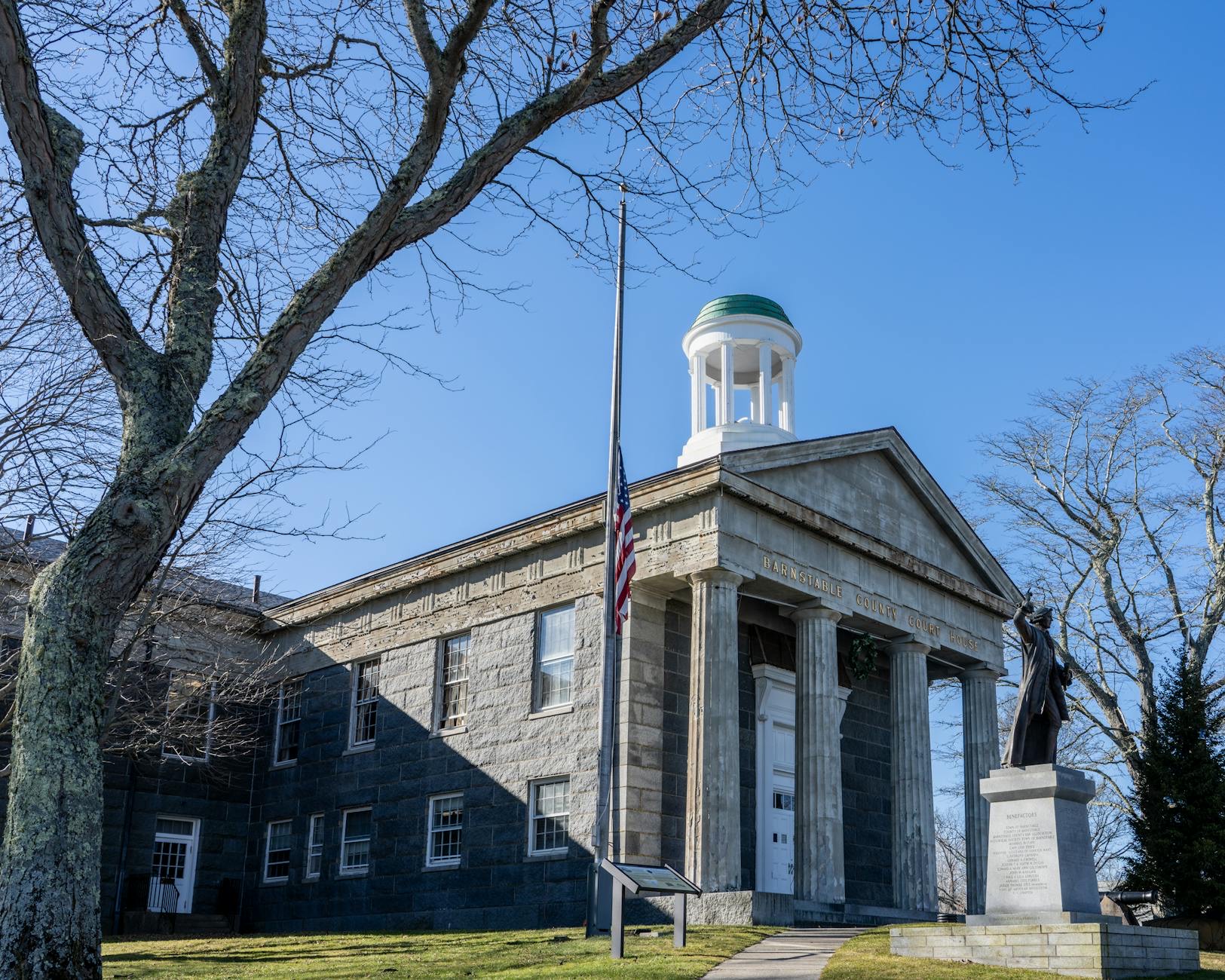
U.S. Immigration and Customs Enforcement defended the arrest of a drug defendant tackled outside a courthouse this week after cellphone video of the confrontation circulated widely online and reignited debate over immigration enforcement tactics near judicial facilities.
The agency said the man detained by officers had entered the United States illegally and was facing drug-related criminal allegations at the time of his arrest. ICE described the individual as a “criminal alien” and said officers conducted the operation after monitoring his scheduled court appearance.
The incident gained national attention after witnesses recorded video showing several federal agents approaching the man moments after he exited the courthouse. The footage appeared to show officers taking the individual to the ground during a struggle before handcuffing him and placing him into a vehicle. The recording spread rapidly across social media platforms and drew criticism from immigrant-rights organizations, attorneys and some local elected officials.
ICE said in a statement that officers identified themselves before attempting the arrest and alleged the man resisted detention. The agency maintained that officers used force consistent with federal policy after the suspect attempted to evade custody.
“ICE officers are trained to make arrests in a manner that prioritizes public safety and officer safety,” the agency said in part, according to statements released to multiple media outlets covering the incident.
Federal immigration authorities did not immediately release full details regarding the defendant’s immigration history or the status of the underlying criminal case, but said the individual was the subject of immigration enforcement proceedings in addition to state-level drug allegations.
The arrest occurred amid a broader national dispute over the use of courthouse-adjacent immigration enforcement operations. Immigration advocates have long argued that conducting arrests near courts discourages immigrants, victims and witnesses from appearing for hearings or cooperating with law enforcement investigations.
Several states and municipalities have previously attempted to limit coordination with federal immigration authorities around local court systems. Legal organizations have also challenged federal courthouse arrest policies in court over the past decade, arguing such practices undermine access to justice and create fear within immigrant communities.

Supporters of aggressive immigration enforcement, however, argue courthouse operations allow federal officers to locate defendants in controlled environments while reducing broader public-safety risks. Former federal immigration officials have repeatedly defended the tactic as an efficient enforcement mechanism when local jurisdictions decline to honor immigration detainer requests.
The latest confrontation unfolded during an especially contentious political period for immigration policy in the United States. Border security, deportation priorities and cooperation between local agencies and federal immigration authorities remain major national campaign issues heading into the 2026 election cycle.
The Biden administration has faced pressure from both immigration advocates and Republican lawmakers over enforcement policy. Progressive groups have criticized detentions and deportations they view as inconsistent with humanitarian priorities, while Republican officials have accused the administration of failing to sufficiently deter unlawful migration.
The courthouse arrest also arrives as immigration agencies continue to operate under elevated public scrutiny following several high-profile enforcement encounters captured on video in recent years. Viral recordings of arrests have increasingly shaped public perception of immigration enforcement operations, often triggering rapid responses from advocacy groups and elected officials before full investigative details emerge.
Defense attorneys connected to the case questioned whether officers unnecessarily escalated the encounter. Some legal advocates argued the footage appeared inconsistent with ICE’s characterization that the suspect attempted to flee. Others called for the release of body-camera or surveillance footage to provide additional context.
At least one local immigrant-rights organization said the arrest could have a chilling effect on court attendance among undocumented immigrants and mixed-status families. Advocates warned that individuals may become less willing to appear for hearings, testify as witnesses or seek protective orders if they believe immigration officers may be waiting nearby.
“Courts are supposed to be places where people can safely participate in the justice system,” one advocacy representative told regional media outlets covering the incident.
Federal authorities rejected criticism that the operation undermined public trust in the courts. ICE officials said the agency routinely evaluates operational risks and legal authority before conducting targeted enforcement actions.

Legal experts said the case may revive longstanding constitutional and procedural questions surrounding immigration enforcement near state judicial facilities. While federal immigration officers possess broad authority to conduct civil immigration arrests, litigation in several jurisdictions has examined whether courthouse operations interfere with state judicial functions or violate due-process protections.
Some state court systems around the country have adopted policies limiting cooperation with federal immigration officers inside courthouses, though rules governing exterior public spaces vary significantly by jurisdiction. Federal authorities generally maintain they can conduct enforcement actions in publicly accessible areas if legal standards for arrest are met.
The incident also highlights the increasingly blurred public distinction between criminal and civil immigration enforcement. Although ICE described the suspect as a drug defendant, immigration violations themselves are generally civil matters handled through administrative proceedings rather than criminal prosecutions.
Public defenders and immigration attorneys have argued that language describing detainees as “criminal aliens” can shape public perception before underlying criminal allegations are adjudicated in court. ICE and other federal agencies frequently use the term in official statements involving noncitizens accused or convicted of crimes.
As of Friday evening, authorities had not announced additional charges connected to the arrest confrontation itself. ICE said the man remained in custody pending immigration proceedings and coordination with local criminal justice authorities.
The Department of Homeland Security did not immediately indicate whether it would release further documentation related to the incident, including arrest reports or use-of-force reviews. Civil-rights advocates have already called for independent oversight and disclosure of operational details surrounding the arrest.
The case is likely to remain under close scrutiny as additional footage, court filings and agency records emerge in the coming days. Immigration policy analysts said the public reaction demonstrates how localized enforcement actions can quickly evolve into nationally contested political and legal flashpoints.




Leave a Reply