
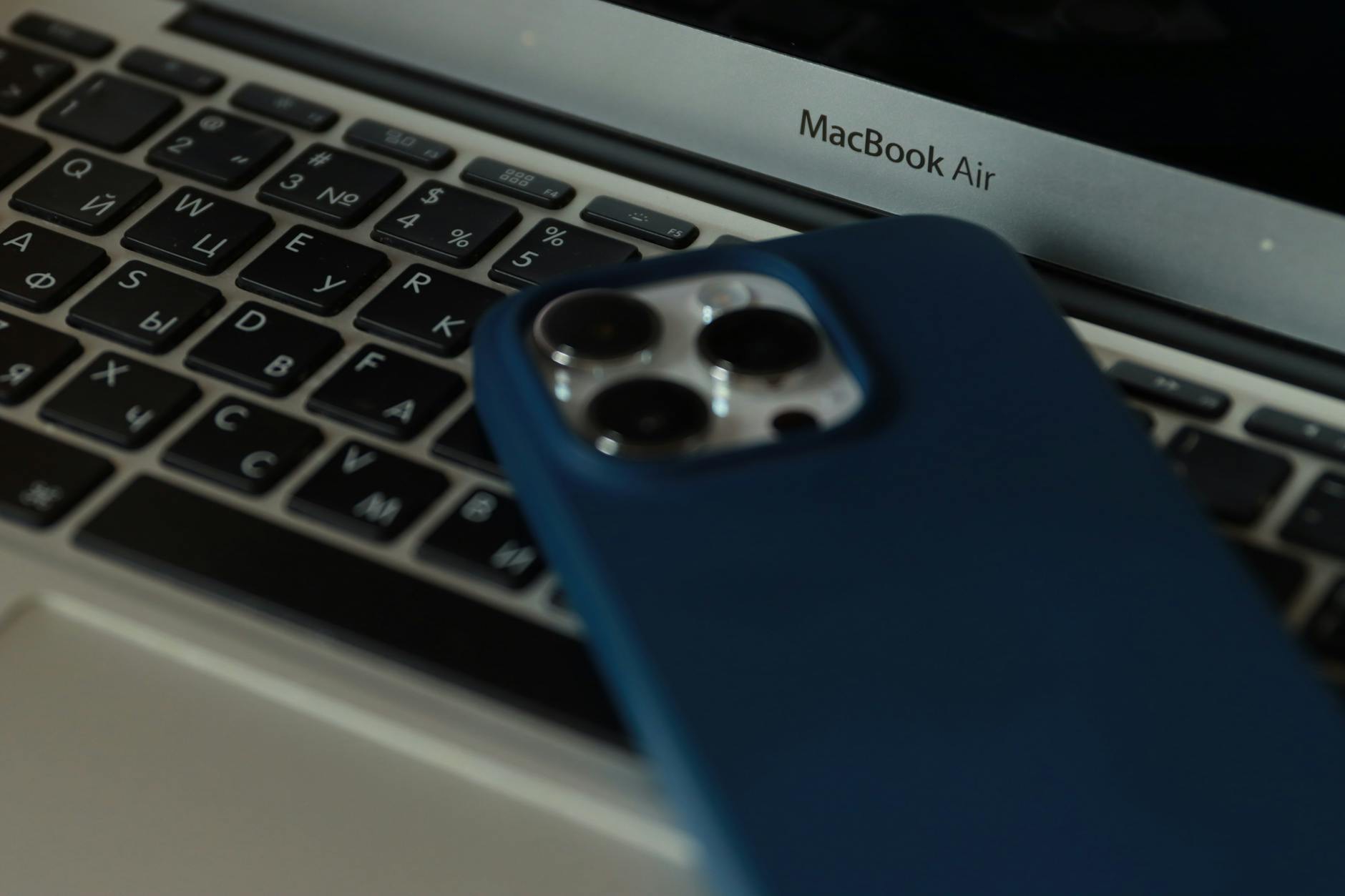
Apple’s latest developer-focused software updates are fueling renewed industry discussion about whether the company is gradually opening Apple Silicon Macs to broader NVIDIA GPU compatibility after years of separation between the two companies’ hardware ecosystems.
The attention follows newly surfaced developer documentation and framework-level changes tied to graphics virtualization and GPU interoperability capabilities released alongside Apple’s most recent platform development cycle. While Apple stopped short of announcing official NVIDIA GPU support for Apple Silicon Macs, developers quickly identified technical signals that could reduce long-standing barriers affecting NVIDIA-based workflows on macOS.
The development is notable because Apple Silicon systems currently rely almost entirely on Apple-designed integrated graphics architectures. Since Apple transitioned from Intel processors to ARM-based Apple Silicon beginning in 2020, support for external GPUs on Macs effectively disappeared for the new architecture. NVIDIA’s CUDA ecosystem, meanwhile, became increasingly dominant in artificial intelligence training, inference infrastructure, scientific simulation, and advanced graphics rendering.
That divergence created growing frustration among developers who preferred Apple hardware and software environments but needed access to NVIDIA acceleration for AI workloads. Many U.S. startups and enterprise developers ultimately shifted core machine learning operations to Linux workstations or cloud-based GPU clusters operated by providers such as Amazon Web Services, Microsoft Azure, and Google Cloud.
The latest Apple changes appear focused less on directly supporting NVIDIA consumer graphics cards and more on enabling improved virtualization and interoperability pathways for GPU-intensive workloads. Developers reviewing the new materials pointed to updates affecting low-level graphics translation layers, virtualized hardware access, and expanded support for external compute frameworks.
Industry analysts cautioned that the changes do not necessarily mean Apple plans to allow traditional plug-and-play NVIDIA GPU support on future Macs. Apple has historically prioritized tight hardware-software integration and energy-efficient unified memory architectures that differ substantially from NVIDIA’s discrete GPU model.
Still, even incremental compatibility improvements could carry substantial implications for software developers working across multiple operating systems and compute environments.
For Silicon Valley AI startups, the inability to directly leverage NVIDIA acceleration on Apple laptops and desktops has been a persistent operational limitation. Developers frequently use MacBooks for software engineering while relying on remote Linux servers equipped with NVIDIA GPUs for actual model training and deployment. Improved interoperability could streamline portions of those workflows and potentially reduce friction between local development environments and production AI infrastructure.

The timing is also significant given escalating competition in the U.S. AI hardware market. NVIDIA remains the central supplier of high-performance AI accelerators used throughout the technology sector, with its chips powering many of the largest generative AI systems currently in commercial deployment. Apple, meanwhile, has aggressively promoted on-device AI capabilities and privacy-focused machine learning features integrated into Apple Silicon hardware.
As enterprise customers increasingly demand flexibility across AI frameworks and deployment environments, platform interoperability has become a more strategic issue. Technology vendors are under mounting pressure to support heterogeneous compute ecosystems rather than isolated hardware stacks.
Gaming developers are also closely monitoring the situation. Apple has spent several years attempting to improve the Mac’s standing as a gaming platform through Metal graphics enhancements, game porting tools, and developer incentives. However, the absence of native NVIDIA GPU support and limited compatibility with major PC gaming infrastructure have constrained broader adoption among gaming studios and enthusiast users.
Some developers believe that improved graphics abstraction layers could make it easier to port advanced rendering pipelines between Windows and macOS systems. That would not necessarily deliver full CUDA support, but it could reduce engineering complexity for studios targeting multiple platforms.
Professional visualization and 3D production firms could also benefit from broader GPU interoperability. Industries including animation, architecture, engineering, film production, and scientific research continue to rely heavily on NVIDIA-optimized software ecosystems. Apple has attempted to compete in these markets through Metal acceleration and partnerships with software vendors, but some professional users remain dependent on NVIDIA-specific workflows.
The broader relationship between Apple and NVIDIA has historically been complicated. The companies collaborated extensively during earlier periods of Mac development, but tensions emerged over driver support, graphics stability issues, and strategic disagreements. NVIDIA support gradually faded from macOS releases over the past decade, particularly after Apple increased reliance on its own silicon roadmap.
Neither company has publicly announced a renewed partnership tied to the latest developments. NVIDIA has continued focusing primarily on AI infrastructure, data center expansion, autonomous systems, and enterprise compute markets rather than direct re-entry into Apple consumer hardware ecosystems.

Investors and developers are also evaluating the implications for AI software portability. One of the biggest challenges facing developers is adapting machine learning applications across different hardware acceleration frameworks, including CUDA, Apple Metal, AMD ROCm, and other specialized AI toolchains.
Recent advances in cross-platform machine learning libraries and model deployment systems have reduced some of those barriers, but hardware-specific optimization remains a major issue for performance-intensive applications. Any Apple initiative that improves compatibility with external compute ecosystems could attract additional developer interest at a time when AI engineering talent remains in extremely high demand.
Several analysts noted that Apple may be pursuing a more pragmatic strategy as AI workloads become central to mainstream computing. Rather than attempting to replace NVIDIA’s ecosystem outright, Apple could seek ways to improve coexistence between macOS development environments and external AI infrastructure.
Regulatory and competitive pressures may also be influencing platform decisions across the industry. U.S. and international regulators have increasingly scrutinized technology ecosystems that restrict interoperability or limit third-party software compatibility. While Apple’s latest developer updates do not directly address antitrust issues, broader support for external frameworks could help the company demonstrate greater openness to developers.
At the same time, Apple continues emphasizing the performance efficiency of its own Apple Silicon architecture. The company has repeatedly argued that tightly integrated CPU, GPU, and memory designs deliver advantages in battery life, thermal management, and on-device AI processing.
Developers caution that major technical hurdles still remain before full NVIDIA GPU compatibility could become practical on Apple Silicon systems. Driver architecture differences, memory models, security frameworks, and operating system constraints would all require substantial engineering work.
Even so, the latest changes have reignited debate about the future direction of Apple’s graphics and AI computing strategy. For many U.S. developers, the prospect of reduced barriers between Apple hardware and NVIDIA-powered infrastructure represents a potentially meaningful shift in one of the technology industry’s most closely watched platform ecosystems.




Leave a Reply