
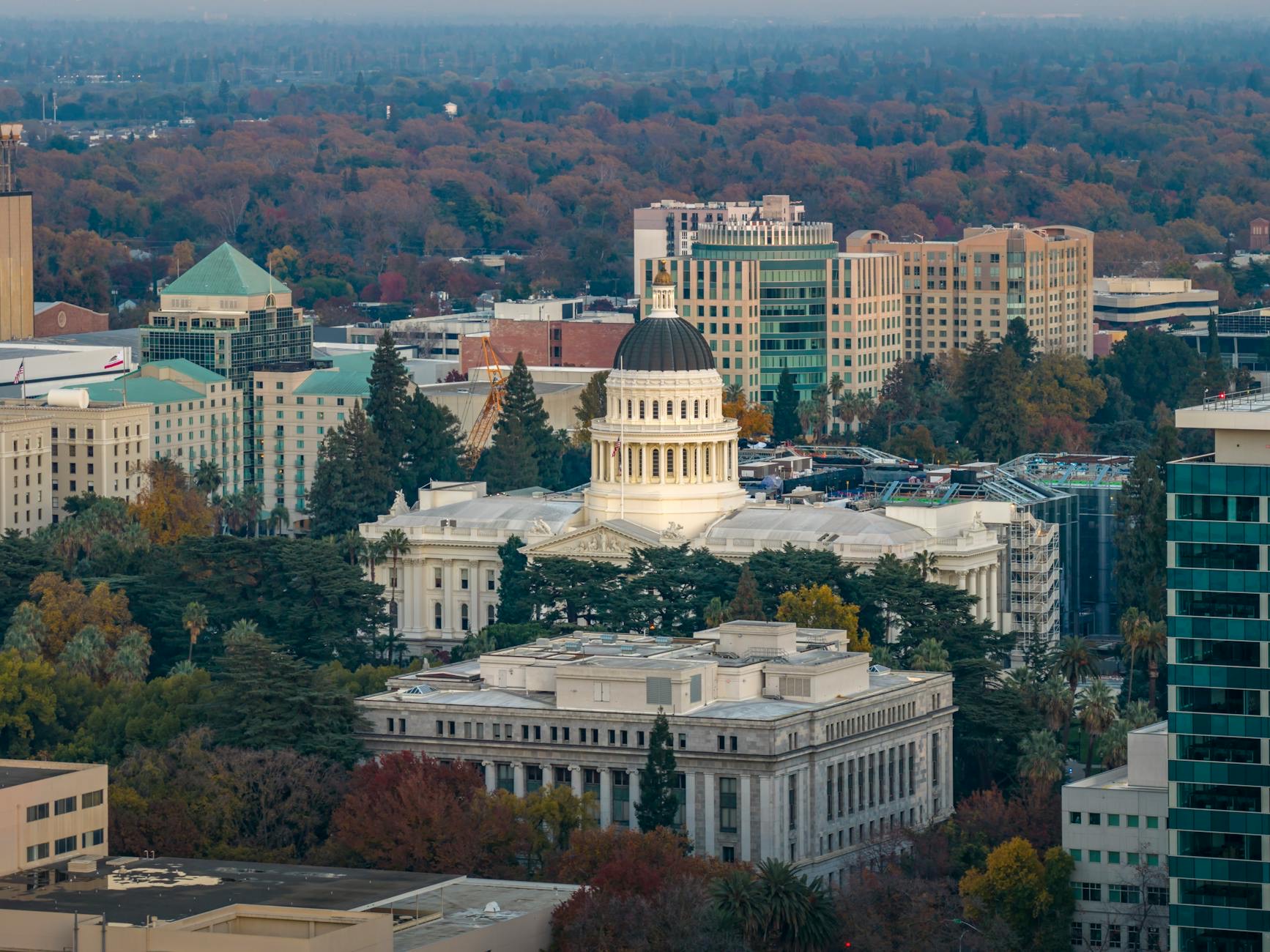
California’s top legislative fiscal adviser is urging state leaders to adopt a more aggressive approach to closing a major budget shortfall, warning that temporary fixes and accounting maneuvers may no longer be enough to stabilize the state’s finances.
The Legislature’s nonpartisan Legislative Analyst’s Office, known in Sacramento for issuing influential budget reviews, told lawmakers this week that California faces a continuing structural imbalance between revenues and spending obligations. The office encouraged policymakers to make difficult reductions now rather than relying primarily on one-time actions that could deepen future deficits.
The warning comes as Gov. Gavin Newsom and Democratic legislative leaders prepare for the final stretch of negotiations over California’s next spending plan. State officials have spent months attempting to manage declining revenue growth after several years of unusually volatile tax collections tied heavily to capital gains and high-income earners.
California’s budget system is particularly sensitive to swings in financial markets because a large share of state revenue comes from personal income taxes paid by wealthier residents, many of whom earn income tied to stock compensation, investments, and technology-sector performance. During the post-pandemic economic rebound, those revenues surged, supporting expanded spending on social programs, climate initiatives, transit, housing, and health care.
But slower economic growth, market volatility, and softer investment gains have complicated the state’s fiscal picture. Officials have already enacted a series of measures over the past two years to address projected deficits, including spending delays, funding shifts, reserve withdrawals, and reductions in planned expenditures.
The Legislative Analyst’s Office argued that some of those measures helped avoid sharper cuts in the short term but did not fully resolve the underlying gap between expected revenues and ongoing spending commitments.
The office’s recommendations were described by Sacramento observers as a form of “budget tough love” aimed at persuading lawmakers to acknowledge the scale of the challenge before conditions worsen further.
California lawmakers are constitutionally required to pass a balanced budget, but disputes frequently emerge over how deficits should be calculated and how much reliance should be placed on temporary tools such as borrowing, internal fund shifts, payment deferrals, or reserve spending.
Legislative analysts warned that overreliance on short-term balancing methods could increase pressure in future years, particularly if economic growth slows further or federal policy changes affect state funding streams.

One major area of concern involves Medi-Cal, California’s Medicaid program, which has experienced rapidly rising costs. State spending obligations tied to homelessness programs, public employee compensation, wildfire preparedness, climate resilience, and school funding formulas have also contributed to fiscal pressure.
Education funding remains especially sensitive because California’s constitution guarantees minimum school spending levels through Proposition 98. That requirement can limit lawmakers’ flexibility when attempting to close deficits elsewhere in the budget.
At the same time, Democratic lawmakers face competing political pressures. Progressive advocacy groups have urged leaders to preserve social safety-net programs and resist cuts that could affect low-income residents, immigrants, and vulnerable communities. Business groups and fiscal moderates, meanwhile, have warned that recurring deficits could undermine confidence in the state’s long-term fiscal management.
Newsom’s administration has defended its approach, arguing that California has already taken meaningful steps to stabilize the budget while protecting core programs. The governor has repeatedly pointed to the state’s reserve funds and prior efforts to reduce projected gaps.
Still, legislative analysts suggested the current budget debate should focus more directly on whether ongoing spending commitments remain sustainable under current revenue forecasts.
Some lawmakers have discussed delaying or scaling back planned program expansions rather than eliminating existing services outright. Others have explored whether the state should make deeper use of reserve accounts to cushion the immediate impact of cuts.
Tax increases are politically more complicated. Although Democrats maintain broad control of California government, statewide tax proposals often face resistance from voters and business organizations. There has been little public momentum so far for large broad-based tax hikes tied directly to the current deficit discussions.
The budget debate is unfolding against a broader backdrop of affordability concerns across California. Residents continue to face high housing costs, elevated utility expenses, insurance market disruptions in wildfire-prone regions, and concerns about public safety and homelessness in several major cities.

Those pressures have intensified scrutiny of how effectively state funds are being spent and whether major programs are delivering measurable results.
California’s fiscal outlook also carries national significance because the state often serves as a policy testing ground for progressive governance. Decisions on climate spending, public transit investment, health care expansion, and labor protections are closely watched by other states and federal policymakers.
The state’s technology-heavy economy further increases national interest in California’s budget trajectory. Silicon Valley firms and investors contribute substantially to state tax revenues, meaning downturns in technology markets can quickly affect government finances.
Economists note that California’s tax structure can generate exceptionally large surpluses during economic booms but also expose the state to steep revenue swings during market slowdowns. That volatility has repeatedly complicated long-term planning efforts for both Democratic and Republican administrations.
The Legislature’s adviser emphasized that addressing structural deficits earlier can reduce the risk of more disruptive cuts later. Analysts suggested that postponing difficult decisions could narrow lawmakers’ options if economic conditions deteriorate or recession risks increase.
Budget negotiations are expected to continue throughout May and June, with lawmakers working toward the state’s constitutional deadline for passing a spending plan. Final negotiations often extend until the last weeks before the start of California’s fiscal year on July 1.
The outcome will determine not only the scale of spending reductions or adjustments, but also how aggressively California chooses to reshape long-term commitments after years of ambitious policy expansion.
For many Californians, the debate may ultimately affect public services ranging from health care access and housing assistance to higher education funding and local government support. For state leaders, it represents a test of whether California can preserve expansive policy goals while adapting to a more constrained fiscal environment.




Leave a Reply