
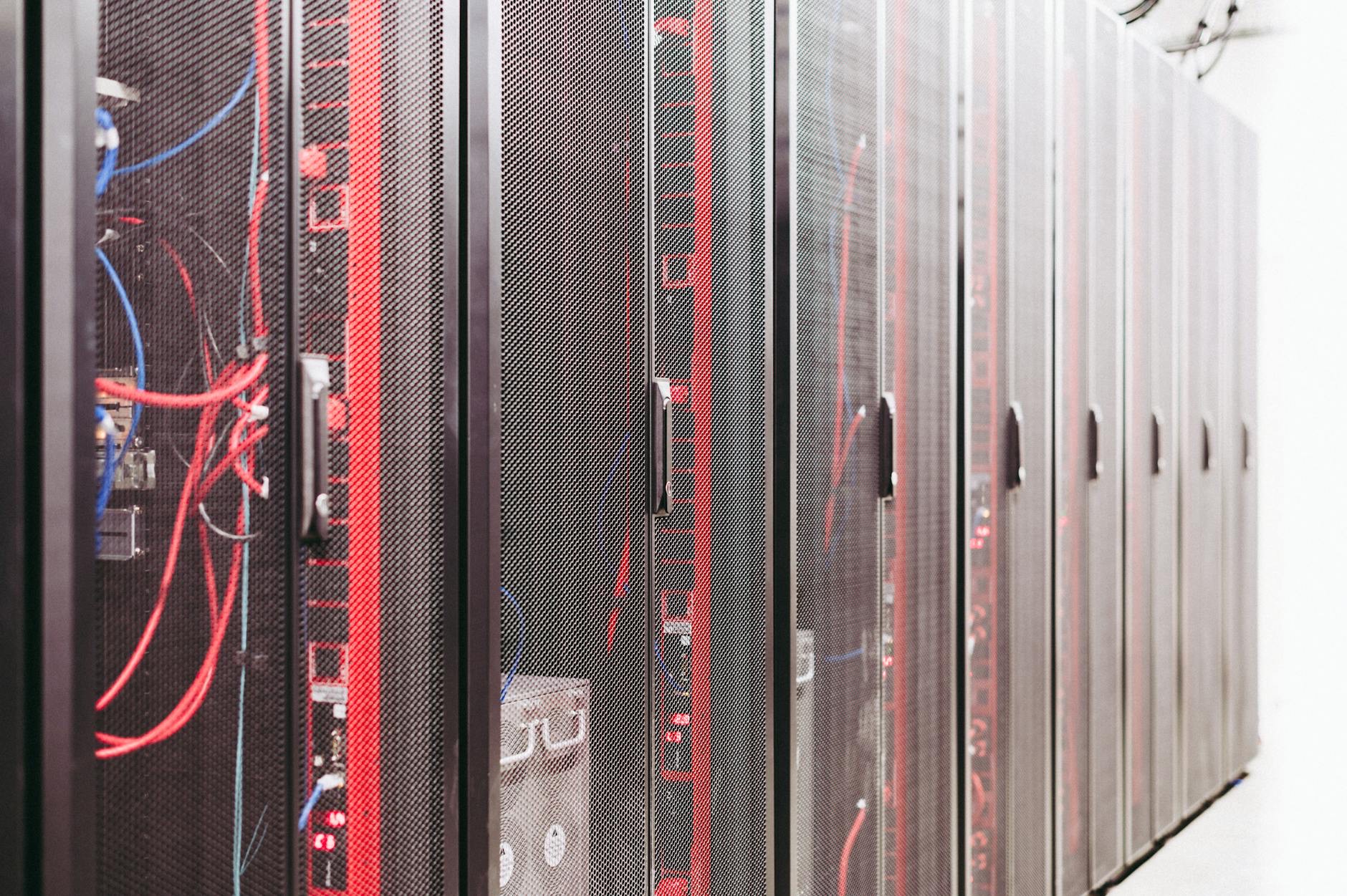
Anthropic, a U.S.-based artificial intelligence company known for developing large language models, is in talks to acquire AI chips from a United Kingdom startup, according to recent reporting within the past 36 hours. The potential deal reflects intensifying efforts by AI firms to secure reliable and scalable access to computing power at a time when demand for advanced chips continues to outpace supply.
The discussions come as AI developers increasingly confront a structural constraint: access to high-performance semiconductors. Training and deploying modern AI systems requires vast amounts of compute capacity, typically provided by specialized chips such as graphics processing units (GPUs) or emerging AI accelerators. With demand surging across industries—from enterprise software to consumer applications—companies like Anthropic are exploring alternative suppliers beyond the established semiconductor ecosystem.
While the identity of the U.K. startup and the specific terms of the negotiations have not been fully disclosed, the reported talks indicate a strategic pivot toward diversification of hardware sourcing. For Anthropic, which competes with other leading AI firms in developing increasingly complex models, securing differentiated or dedicated chip supply could offer both performance and cost advantages.
The potential collaboration also highlights the growing role of European startups in the global AI infrastructure landscape. Historically, the design and production of high-end AI chips have been dominated by a handful of U.S. and Asian companies. However, venture-backed firms in the United Kingdom and across Europe have been developing specialized architectures aimed at improving efficiency, reducing power consumption, or optimizing specific AI workloads.
Such startups have attracted attention from major technology companies seeking to hedge against supply constraints. By partnering directly with chip designers, AI firms can potentially influence product roadmaps, secure priority access, and tailor hardware to their models’ requirements. This approach represents a departure from relying solely on off-the-shelf solutions.
The timing of the talks is notable. The global semiconductor industry remains under pressure from sustained demand, long production cycles, and geopolitical considerations. Export controls, particularly those imposed by the United States on advanced chips destined for certain markets, have added another layer of complexity to supply chains. Although the reported discussions do not suggest any regulatory issues, they occur against a backdrop of heightened scrutiny over technology flows and national security implications.

For U.S.-based AI companies, working with a U.K. partner offers both opportunities and challenges. On one hand, the United Kingdom is considered a close ally with a strong research base and growing semiconductor innovation ecosystem. On the other hand, scaling production and ensuring compatibility with existing AI infrastructure may require significant investment and coordination.
Industry analysts have pointed to compute availability as one of the most critical constraints on AI progress. The cost of training large models has risen sharply, and access to cutting-edge chips often determines how quickly companies can iterate and deploy new systems. As a result, securing hardware supply has become as strategically important as software development.
Anthropic’s reported interest in alternative chip suppliers aligns with a broader trend among AI firms toward greater control over their infrastructure stack. Some companies have pursued in-house chip design, while others have entered long-term agreements with semiconductor manufacturers. The approach varies depending on scale, capital resources, and technical expertise.
In this context, a partnership with a startup could provide flexibility and innovation, albeit with potential risks related to production capacity and technological maturity. Early-stage chip companies often face challenges in moving from prototype to mass production, particularly in an industry that requires substantial capital investment and specialized manufacturing capabilities.
The potential deal also reflects ongoing competition among AI developers. As companies race to build more capable models, incremental improvements in hardware efficiency can translate into significant advantages. Reduced latency, lower energy consumption, or higher throughput can enable faster training cycles and more responsive applications, factors that are increasingly important for both enterprise and consumer use cases.
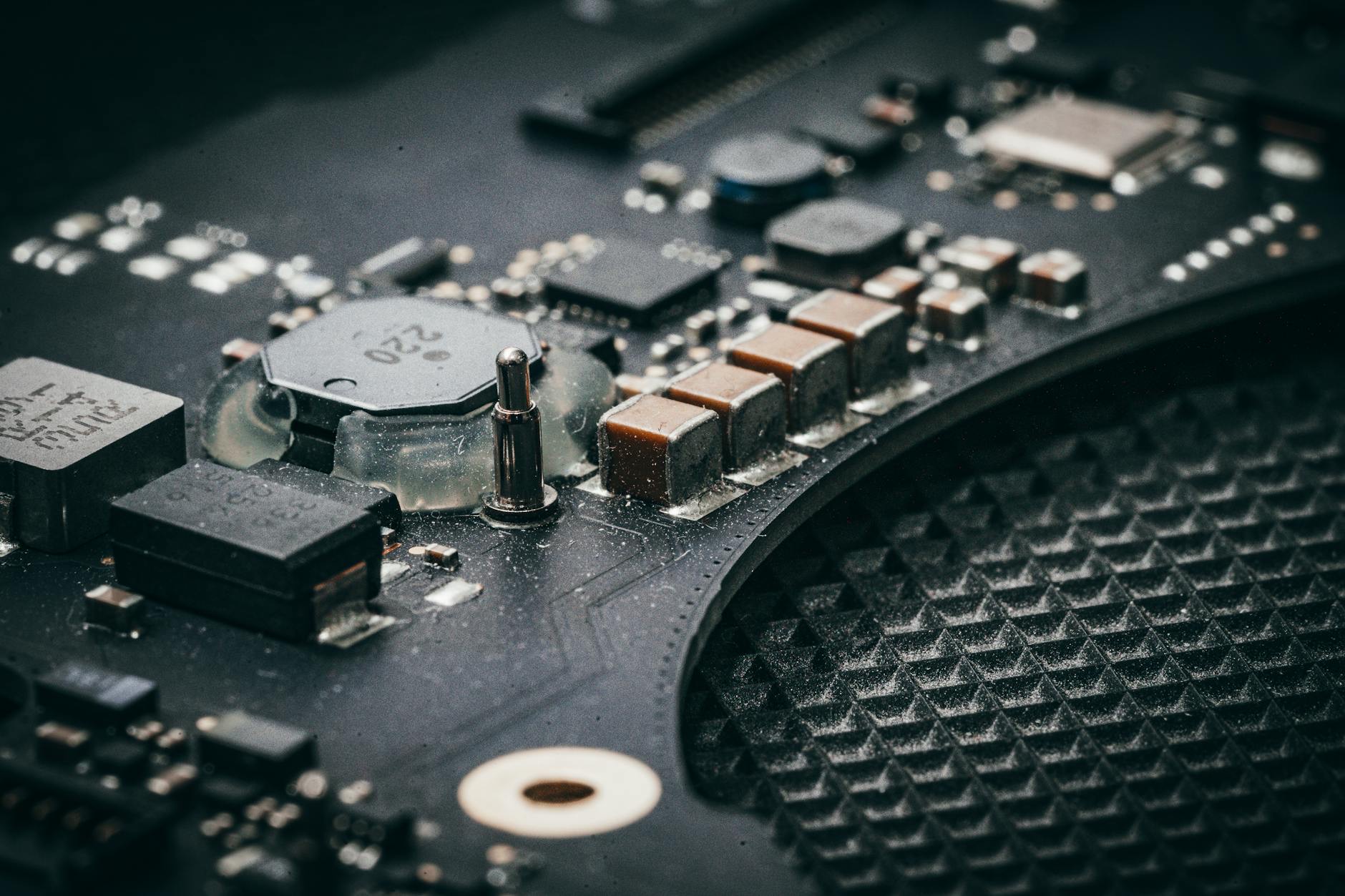
From a market perspective, the involvement of a U.K. startup may signal growing investor confidence in alternative semiconductor designs. Venture funding in AI hardware has increased in recent years, with startups seeking to challenge incumbents by focusing on niche applications or novel architectures. A commercial agreement with a major AI developer could serve as validation for such efforts.
At the same time, the outcome of the talks remains uncertain. Negotiations over technology partnerships often involve complex considerations, including pricing, intellectual property, supply guarantees, and long-term collaboration terms. Without confirmation from the companies involved, it is unclear whether the discussions will result in a finalized agreement.
Still, the reported talks provide insight into how AI companies are adapting to an evolving technological and geopolitical environment. As demand for AI capabilities continues to grow, the ability to secure and optimize hardware resources is likely to remain a defining factor in the competitive landscape.
Looking ahead, similar partnerships may become more common as AI developers seek to mitigate supply risks and differentiate their offerings. Whether through direct procurement, joint development, or investment in emerging chipmakers, the integration of hardware strategy into AI development is expected to deepen.
For Silicon Valley and the broader U.S. technology sector, the implications extend beyond a single deal. The intersection of AI innovation, semiconductor supply chains, and international collaboration is shaping the next phase of the industry. Developments like the Anthropic talks illustrate how companies are navigating this complex terrain, balancing performance needs, cost considerations, and strategic resilience.




Leave a Reply