
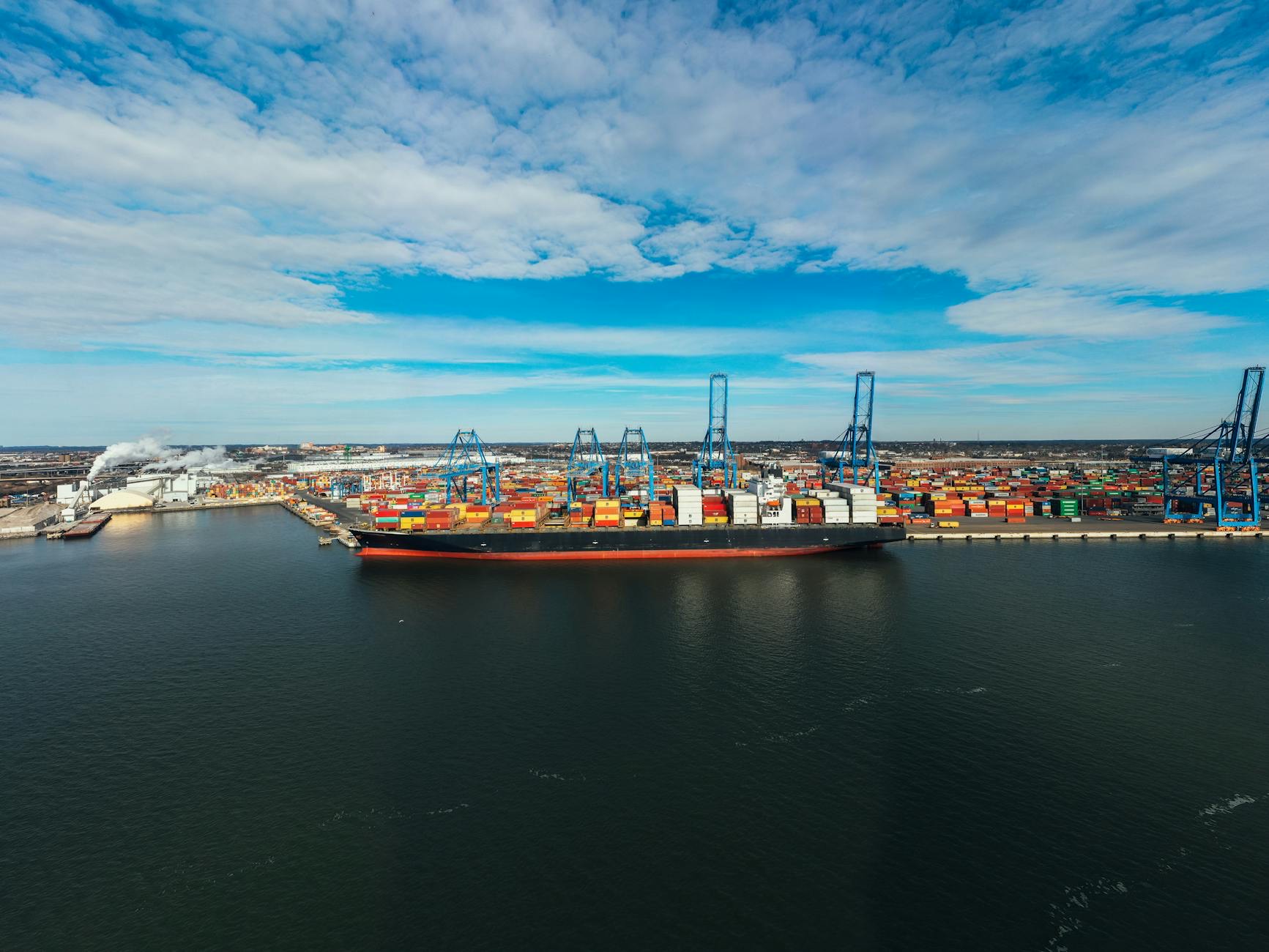
The American Visionary Art Museum (AVAM) brought Baltimore’s streets and waterfront to life on May 2 with the 26th annual Kinetic Sculpture Race, a one-of-a-kind event that merges artistic expression with human-powered engineering. The race, widely recognized for its eccentric vehicles and theatrical spirit, once again drew crowds to watch participants pilot imaginative sculptures across a demanding multi-terrain course.
Participants began the race near the museum’s campus, unveiling creations that ranged from fantastical creatures to satirical cultural commentary pieces. Each sculpture, powered entirely by human effort, was required to navigate a course that included paved roads, off-road mud sections, and a water crossing along Baltimore’s Inner Harbor. The combination of artistic design and mechanical functionality remains a defining feature of the event, setting it apart from conventional races or art exhibitions.
Organizers emphasized that success in the Kinetic Sculpture Race is not measured solely by speed. Instead, participants are evaluated on a combination of factors, including engineering ingenuity, artistic originality, and overall presentation. Awards categories often include honors for “Best Engineering,” “Most Creative,” and humorous distinctions such as “Golden Flipper” for water performance, reflecting the event’s playful ethos.
The race’s amphibious component continues to be one of its most challenging elements. Sculptures must transition from land to water without external assistance, requiring careful planning and construction. Some entries glide smoothly across the harbor, while others struggle or capsize, drawing cheers and laughter from spectators lining the waterfront. These unpredictable moments have become a hallmark of the event, reinforcing its reputation as both a competition and a spectacle.
AVAM, which focuses on self-taught and visionary artists, has long positioned the race as an extension of its mission. By encouraging participation from individuals without formal art or engineering backgrounds, the event lowers barriers to entry and highlights creativity in its most accessible form. Many teams consist of community groups, families, or local organizations, contributing to a collaborative atmosphere that contrasts with more formalized art competitions.

The 2026 edition saw a mix of returning teams and newcomers, illustrating the race’s ability to sustain interest across generations. Veteran participants often bring increasingly sophisticated designs, incorporating lessons learned from previous years. At the same time, first-time entrants introduce fresh perspectives and unconventional approaches, keeping the event dynamic and unpredictable.
Local officials and cultural advocates have pointed to the race as an important driver of tourism and community engagement. The event typically attracts thousands of spectators, many of whom spend time exploring Baltimore’s waterfront and surrounding neighborhoods. Restaurants, shops, and hotels in the area often see increased activity during the race weekend, underscoring its economic impact.
Beyond its immediate economic benefits, the race contributes to Baltimore’s broader cultural identity. The city has cultivated a reputation for supporting grassroots arts initiatives, and the Kinetic Sculpture Race exemplifies that ethos. Its emphasis on humor, experimentation, and inclusivity aligns with a wider movement in American arts that values participation and lived experience over traditional hierarchies.
The event also reflects growing interest in sustainable and human-powered design. While the sculptures are primarily artistic, their reliance on human energy highlights alternative approaches to mobility and engineering. Some teams incorporate recycled materials or environmentally conscious design elements, adding another layer of meaning to their creations.
Safety and logistical planning remain key considerations for organizers, given the complexity of the course and the variability of the sculptures. Volunteers and staff are stationed throughout the route to assist participants and ensure that transitions between terrain types proceed smoothly. Despite these precautions, minor mishaps are part of the race’s character, often becoming memorable highlights for attendees.
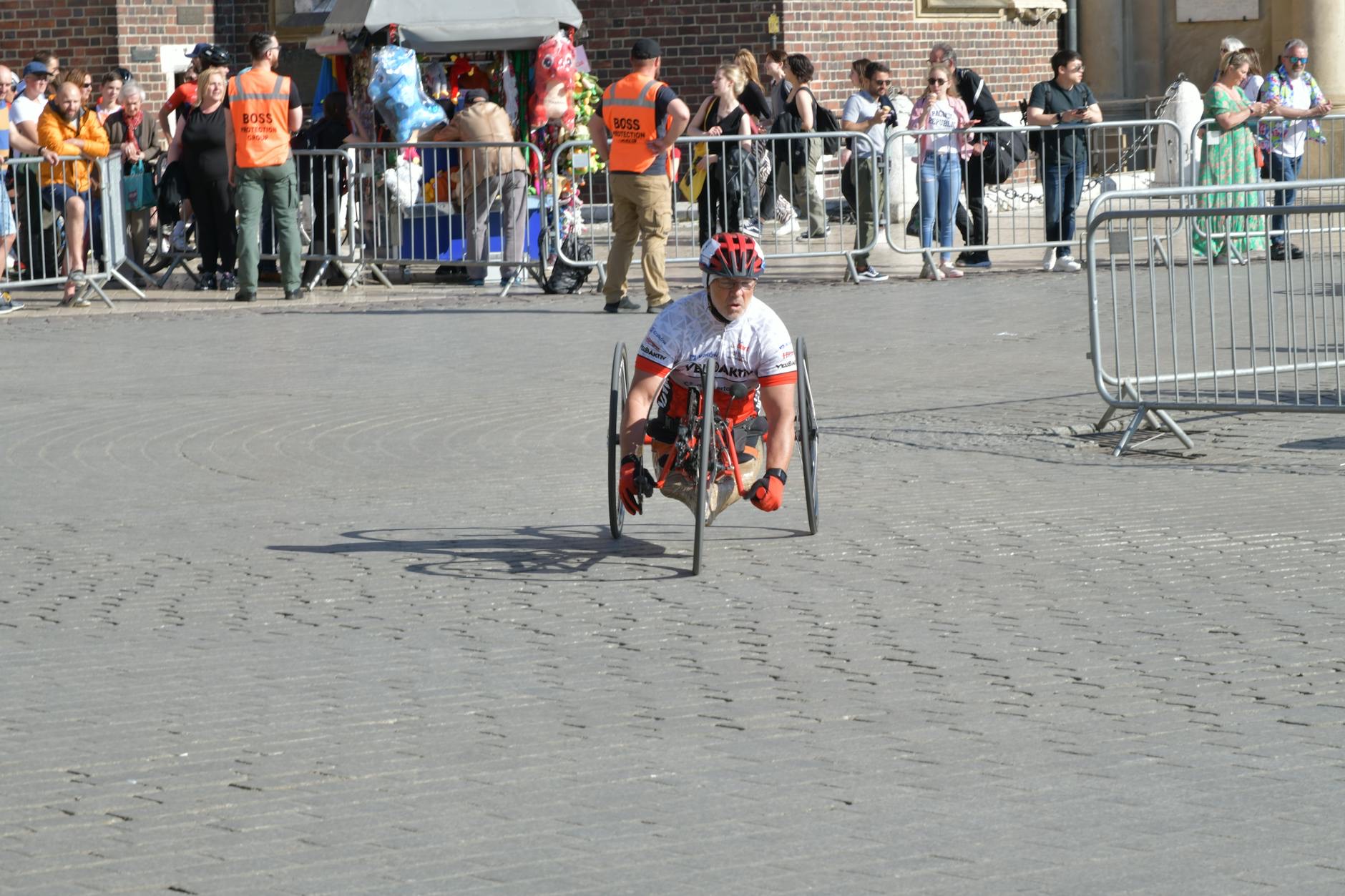
In interviews surrounding the event, organizers reiterated their commitment to maintaining the race’s open and experimental spirit. They noted that the goal is not to professionalize the competition but to preserve its accessibility and sense of wonder. This approach has helped the Kinetic Sculpture Race remain relevant in a rapidly evolving cultural landscape.
The 26th annual race arrives at a time when many cultural institutions are seeking new ways to engage audiences beyond traditional exhibition formats. By bringing art into public space and inviting direct participation, AVAM’s event offers a model for rethinking how museums interact with their communities. The race demonstrates that art can function not only as an object of observation but also as an active, shared experience.
As the day concluded, participants crossed the finish line with varying degrees of success, but all contributed to the event’s collective narrative. Whether completing the course or encountering obstacles along the way, each team embodied the spirit of experimentation that defines the Kinetic Sculpture Race.
With more than two decades of history, the event continues to evolve while retaining its core identity. Organizers indicated that planning for future races is already underway, with expectations that participation and audience interest will remain strong. For Baltimore and the broader U.S. arts community, the Kinetic Sculpture Race stands as a testament to the enduring appeal of creativity that is both imaginative and participatory.




Leave a Reply