
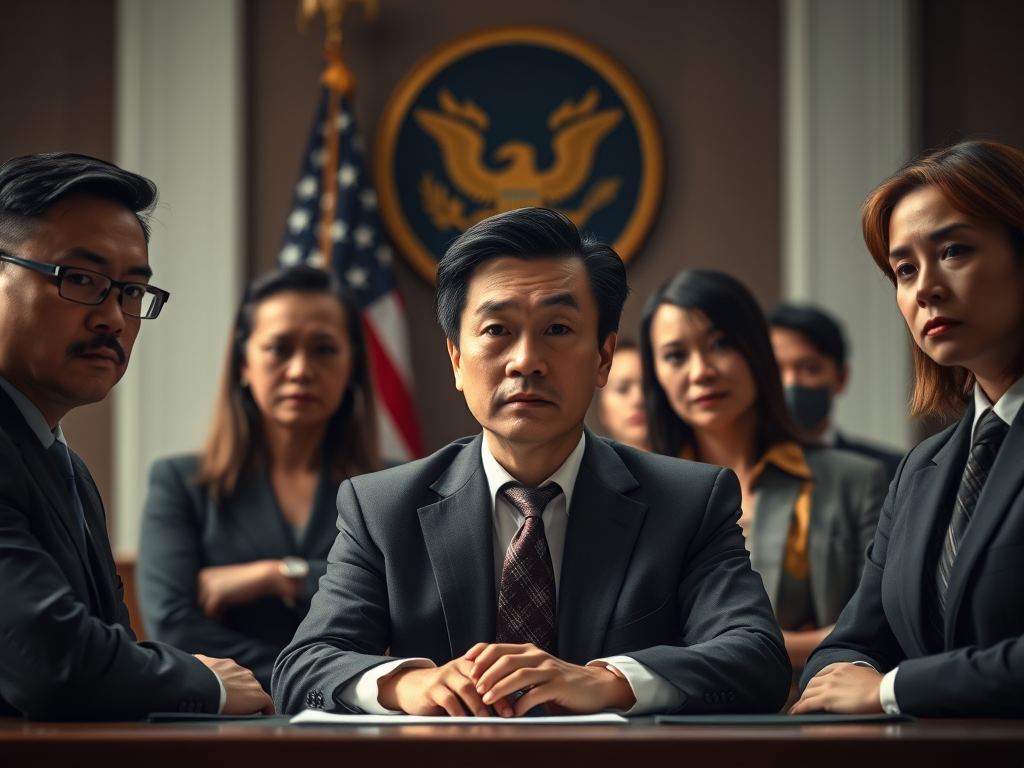

Changpeng Zhao was in a bind.
In 2023, U.S. federal prosecutors intensified pressure on Changpeng Zhao, the founder of Binance, over what they described as widespread criminal activity conducted through the exchange. Authorities accused the platform of enabling money laundering and facilitating transactions linked to terrorist financing. During negotiations, prosecutors sought an extraordinary $6.8 billion penalty, a figure that would have ranked among the largest corporate fines in American history.
According to a draft of Zhao’s unpublished memoir, Freedom of Money, he believed the government’s demands were excessive. The manuscript, reportedly reviewed by The New York Times, portrays a high-stakes legal battle in which Zhao consulted more than a dozen prominent attorneys. Their advice often conflicted, leaving him uncertain about the best path forward. At one point, Zhao writes that he even considered the possibility of living as a fugitive, limiting his international travel to avoid arrest.
In the manuscript, Zhao criticizes the U.S. Department of Justice, suggesting that prosecutors were more focused on securing a victory than delivering justice. He describes moments of deep mistrust, worrying that officials might use aggressive tactics during negotiations.
Ultimately, Zhao, now 49, chose to settle. He pleaded guilty to a single violation of U.S. anti-money-laundering laws. In 2024, he received a four-month prison sentence. Later that year, he was granted a pardon by Donald Trump, marking a dramatic turn in a case that had shaken the cryptocurrency world.
Zhao has since re-emerged as one of the industry’s most influential figures and is preparing to share his version of events. He recently announced plans to self-publish Freedom of Money in early 2025. While the draft may differ from the final edition, its nearly 300 pages provide a detailed and deeply personal account of the negotiations that led to his guilty plea. The manuscript also offers insight into one of the most complex white-collar enforcement actions in the digital asset era.
The book reflects on the striking contrast between Zhao’s former life as a globe-trotting executive and his time behind bars. Once accustomed to private jets and meetings with global leaders, he now recounts what he describes as the humbling experience of incarceration. He also revisits his rivalry with Sam Bankman-Fried, the former head of FTX, and discloses a previously unreported encounter with U.S. Immigration and Customs Enforcement that nearly extended his detention beyond his official sentence.
Despite his legal troubles, Zhao remains one of the wealthiest individuals in crypto. Forbes has estimated his net worth at over $60 billion. Binance continues to dominate global trading volumes and has reportedly developed business ties with a crypto venture linked to the Trump family. At the same time, the exchange faces renewed scrutiny regarding potential sanctions violations by certain users.
The draft memoir does not delve deeply into Zhao’s efforts to secure a presidential pardon or Binance’s political connections. However, it contains pointed criticism of U.S. regulators, echoing themes often voiced by Trump. Zhao also recounts his interactions with Gary Gensler, who previously led the U.S. Securities and Exchange Commission.
Zhao writes that he first met Gensler in 2018, when Gensler was teaching a cryptocurrency course at the Massachusetts Institute of Technology. At the time, Zhao offered him a position as an adviser to Binance, which Gensler declined. The following year, the two met again in Tokyo. When Zhao later learned that Gensler was likely to become SEC chair, he sent a congratulatory email.
Any cordial relationship soon deteriorated. Under Gensler’s leadership, the SEC launched a sweeping enforcement campaign against the crypto sector, including a lawsuit accusing Binance and Zhao of securities violations. That case was withdrawn after Trump returned to office, reshaping the regulatory landscape once again.
Zhao’s rivalry with Bankman-Fried forms another central thread of the memoir. The two first met at a 2019 conference in Singapore, where Bankman-Fried hosted an elaborate dinner event. Zhao recalls leaving early due to the noisy atmosphere. Initially, he viewed his younger competitor as an intelligent and ambitious newcomer. Over time, however, tensions escalated.

According to Zhao, allies of Bankman-Fried in Washington criticized Binance in political circles. He also claims that Bankman-Fried disparaged Binance during private gatherings with U.S. policymakers. The rivalry reached its peak in 2022 when concerns emerged about FTX’s financial stability. Zhao posted a series of public messages expressing doubts about FTX’s balance sheet, triggering what became a rapid loss of customer confidence.
As FTX’s liquidity crisis deepened, Bankman-Fried reportedly reached out to Zhao for assistance, seeking billions of dollars in emergency funding. Zhao briefly considered a rescue deal but ultimately withdrew. FTX filed for bankruptcy soon after, and Bankman-Fried was later sentenced to 25 years in prison on fraud charges.
While his competitor’s empire collapsed, Zhao’s own legal challenges intensified. U.S. authorities investigated whether Binance had permitted illicit transactions involving sanctioned entities and criminal networks. By that time, Zhao had relocated to the United Arab Emirates and obtained citizenship there in 2023. In the manuscript, he notes that the country’s non-extradition status offered practical advantages.
Negotiations with the Justice Department were tense. Prosecutors initially demanded $6.8 billion from Binance. The company countered with a far lower figure before ultimately agreeing to a $4.3 billion settlement. Zhao writes that his legal advisers assured him returning to the United States to resolve the case would provide finality.
Even as he prepared to board a flight to the U.S., critical details of the agreement were still being finalized. He describes waiting near the departure gate for confirmation that the deal was secure.

Zhao ultimately served his four-month sentence at a low-security facility in Lompoc, California. In the memoir, he recounts unexpected moments of levity, including conversations with guards curious about cryptocurrency investments. He also describes sharing a cell with a fellow inmate convicted of violent crimes, remarking humorously that the man’s snoring was more troubling than his criminal record.
As a non-U.S. citizen, Zhao faced additional complications. Immigration and Customs Enforcement placed a detainer on him, alleging that he had overstayed his visa while incarcerated. According to the manuscript, he was briefly taken into custody again after being transferred to a halfway house in Southern California. His lawyers intervened, and the detainer was eventually lifted, though he spent the final weeks of his sentence under additional supervision.
The memoir’s final chapter carries a blunt title reflecting his eagerness to leave the country. Upon his release in September 2024, Zhao’s sister picked him up in California. They drove directly to a nearby airport, where a private jet awaited. From the moment he exited detention to the plane’s departure, Zhao writes that just 26 minutes passed.
Today, Zhao presents himself as a survivor of regulatory overreach and industry turmoil. With Freedom of Money set for release, he is preparing to reframe one of the most dramatic episodes in crypto history through his own lens. Whether readers will accept his interpretation remains to be seen, but the story of his rise, fall and resurgence continues to shape the evolving narrative of the global cryptocurrency industry.


Leave a Reply