

Reaching parties at the Venice Film Festival usually means gliding across the lagoon in a sleek speedboat, past glittering palazzos, toward events where fashion houses carefully curate their guest lists. In Cannes, the social scene spills out along the Riviera: stars in haute couture sip champagne beside the Mediterranean, bathed in camera flashes and sunset light.
Sundance, by contrast, has never been known for glamour. It is hard to look chic when everyone is bundled in oversized parkas and snow boots. The festival takes place in Park City, Utah, where temperatures hover well below freezing and even the most polished celebrities are forced into puffer jackets.
Yet this year, one after-party managed to cut through the chill and create real heat. Two weeks ago, pop artist Charli XCX arrived in Park City for the premiere of her new A24 film, “The Moment.” Word spread quickly that her celebration would be the must-attend event of the festival, to the point that some attendees began desperately asking around for invitations.
One acquaintance texted with half-joking desperation, insisting they rarely ask for favors but needed to get inside. A publicist, whose job usually involves requesting things from others, suddenly found themselves pleading for a plus-one. Many assumed that if the party resembled the wild nights Charli sings about, it would be the most coveted ticket at Sundance.
Her influence was so strong that even people far outside her usual fanbase took notice. One straight male attendee asked about an invite, admitting he barely knew her beyond a viral tweet referencing Kamala Harris. That exchange summed up how far Charli’s cultural reach had expanded.
For those unfamiliar with her, Charli’s 2024 album “Brat” marked a turning point in her career. It was widely praised, Grammy-nominated, and built around a distinct creative identity. The album’s striking neon-green cover dominated social media that summer, and the word “brat” became shorthand for anything daring, irreverent, or rebellious.
But as the idea spread into mainstream culture, it grew more complicated. When Charli declared online that Kamala Harris was “brat,” commentators across traditional media struggled to interpret what that even meant. The term that once felt subversive was now everywhere, raising questions about whether something can stay cool after becoming popular.
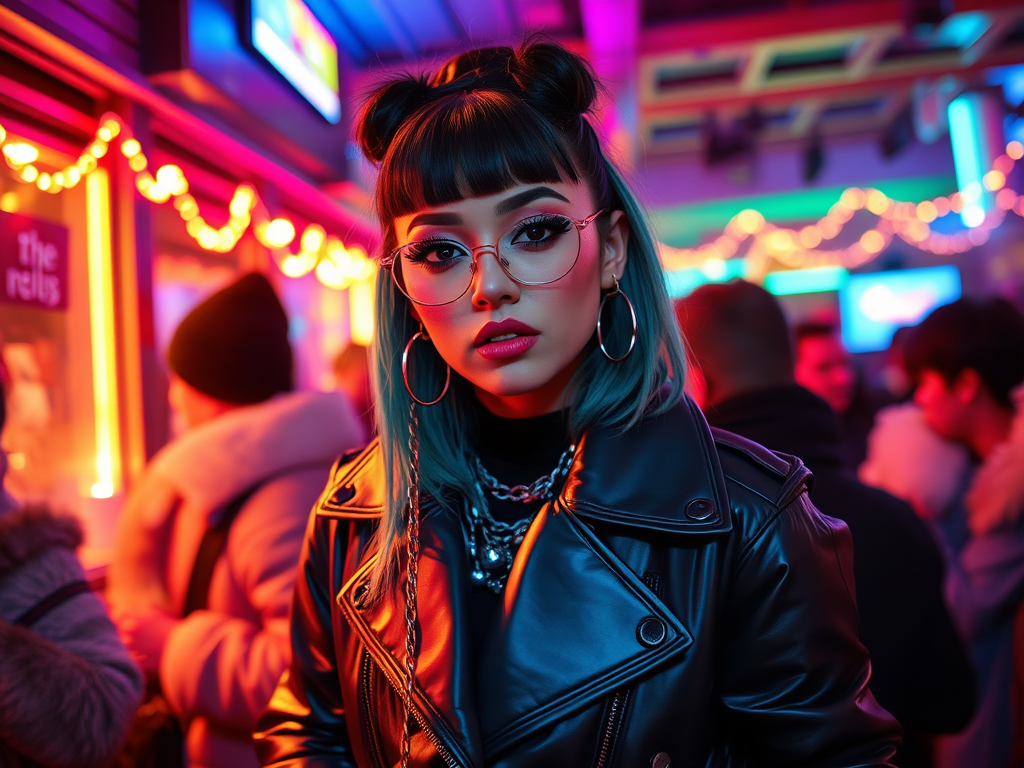
That tension also shaped “The Moment,” as well as the atmosphere of the after-party itself. The event took place in a crowded club on Park City’s main street, packed with celebrities, influencers, and heavy branding from corporate sponsors. Apps promoting hyper-polished selfies were prominently featured, blurring the line between authenticity and artifice.
Inside the venue, servers passed around tacos, an ironic culinary choice in Utah. The room buzzed with high-profile guests. Conversations ranged from pop culture to film, while familiar faces from the entertainment world moved through the crowd.
Charli herself sat in a semi-private booth wearing a white corset and fur coat, surrounded by co-stars and collaborators. Admirers pressed close just to tell her she looked stunning. Yet at one point, she mysteriously vanished from the VIP area, leaving organizers frantically searching for her while police managed the growing crowd outside.
The next morning, Charli met in a nearby cottage to nurse her hangover. Laughing as she took painkillers, she recounted slipping out onto the dance floor the previous night when her longtime collaborator A.G. Cook played “Bittersweet Symphony.” A quick smoke break in the snow followed, along with an unexpected encounter with a reality television star.

She admitted that the wild-party persona many associate with her is partly self-created. It is fun, she said, but also tricky. Once a public image solidifies, it can become hard to escape.
That dilemma sits at the center of “The Moment.” In the film, Charli plays a heightened version of herself trying to stage a bold arena tour while clashing with a documentary filmmaker who wants to soften her image for mainstream audiences. Watching her character struggle with compromise feels tense, almost like a high-stakes thriller.
Charli acknowledged that she has personally experienced similar pressure, especially in an era where everyone feels compelled to perform versions of themselves online. Social media, she said, has made that anxiety universal, not just something celebrities endure.
For much of her career, she considered herself “famous but not quite,” which gave her a unique perspective on celebrity culture. Now in her early thirties, she frequently reflects on fame in essays she publishes online, examining both its empowering and humiliating aspects.
The lingering presence of “Brat” also became a theme in the film. In Hollywood, success often leads artists to repeat the same formula, but Charli had always preferred moving forward creatively. Still, as she and director Aidan Zamiri expanded the album’s universe into videos and a feature film, they were aware that the concept might eventually feel overused.
Even now, more than a year after “Brat summer,” promotional materials for her new movie still use that signature green. The question remains whether stretching a cultural moment too long turns cool into cringe.
Rather than avoid that discomfort, Charli and Zamiri embraced it. In one key scene, a fictionalized version of Charli confesses fears of overexposure to Kylie Jenner during a spa visit, only to receive the blunt advice that when people start tiring of you, that is exactly when you should double down.
Charli seems to be following that logic. Recently, she has appeared everywhere, from major award shows to popular podcasts, where hosts express surprise that she has no intention of slowing down to focus on family life.

Although she views “The Moment” as the closing chapter of the “Brat” era, her schedule shows no sign of slowing. She appears in two other Sundance films, stars in an upcoming indie project, and contributes music to a high-profile adaptation of “Wuthering Heights.”
She admits to working obsessively, sometimes to the point of exhaustion. Creating, she says, keeps her moving forward and helps her avoid stillness. One of her own lyrics about nonstop productivity reflects how she truly lives.
Partying also plays a role in that mindset. During filming, Charli frequently hosted weekend gatherings for cast and crew, believing shared chaos helped build genuine connection. The shoot lasted just 26 days, so social bonding felt essential.
There were wild karaoke nights, impromptu bar crawls across East London, and an elaborate wrap party planned with the care of a major production. Lighting, cocktails, and DJs were curated as if the celebration itself were part of the film.
In the end, Charli and Zamiri saw these parties not just as fun, but as part of their creative process. They wanted everyone involved to feel tightly connected, even under intense time pressure.
And, as Zamiri joked, there was another motivation: maintaining their reputation as people who know how to throw an unforgettable night.




Leave a Reply