
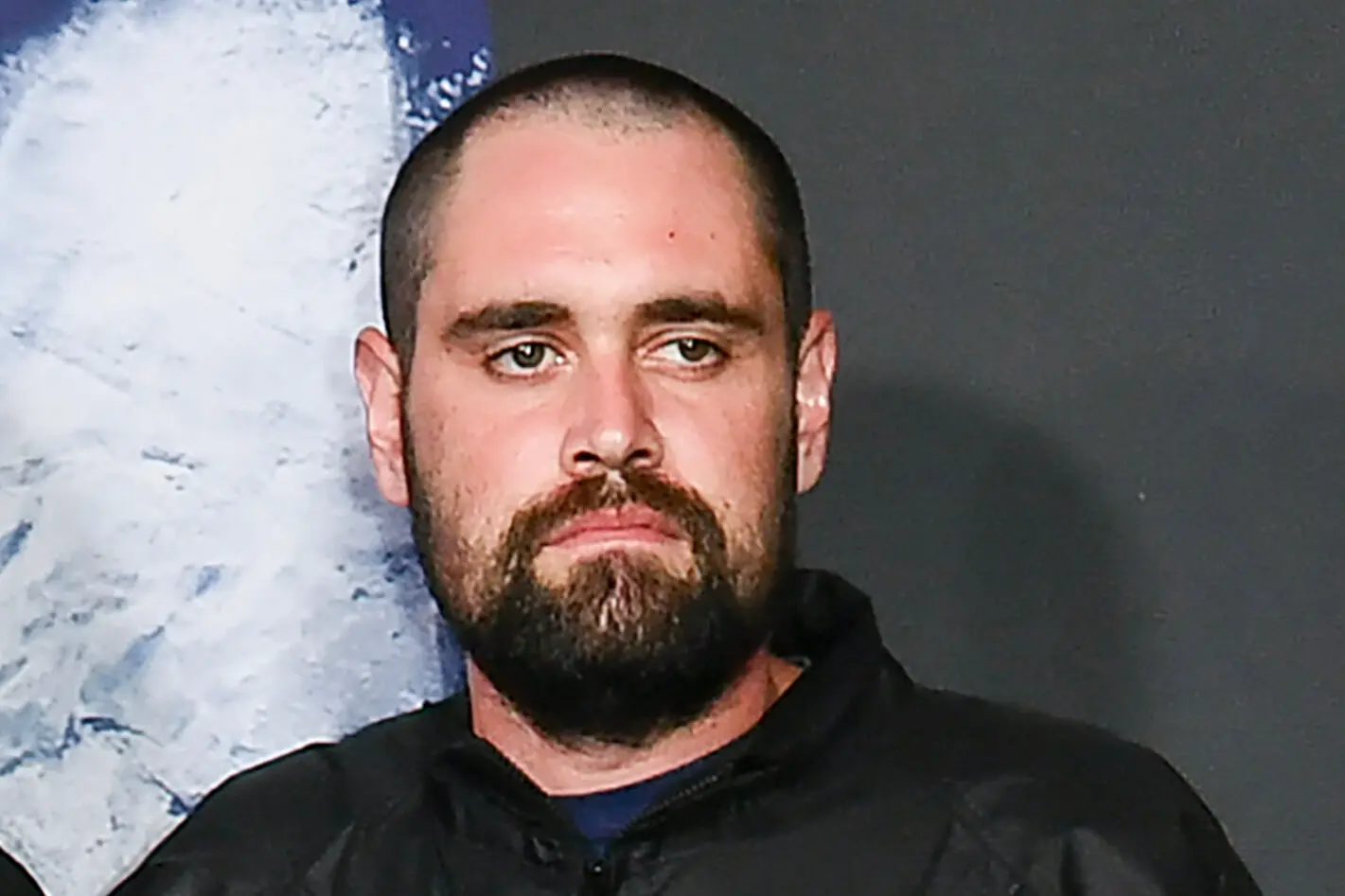
Nick Reiner, who is facing charges for the killing of his parents, Rob Reiner and Michele Singer Reiner, was previously placed under a court-ordered mental health conservatorship that lasted for one year, according to two individuals familiar with the legal arrangement.
Records from the Los Angeles Superior Court confirm that the conservatorship began in 2020 and concluded in 2021. Steven Baer, a licensed professional fiduciary appointed by the court to oversee Mr. Reiner during that period, declined to discuss specific details but emphasized that severe mental illness is frequently misunderstood. He described the case as a devastating example of how untreated or unstable psychiatric conditions can lead to tragedy.
Because of confidentiality rules, neither Baer nor others with knowledge of the arrangement were willing to provide further explanation about the circumstances that led to the conservatorship or why it was not extended beyond its initial term.
The existence of this conservatorship sheds new light on the seriousness of the mental health issues Nick Reiner had been experiencing in the years leading up to the deaths of his parents. These issues are expected to play a central role in his legal defense as the case moves forward.
Rob Reiner, an acclaimed filmmaker known for directing iconic movies such as This Is Spinal Tap and The Princess Bride, and his wife were discovered stabbed to death in their Los Angeles residence on December 14. Their son, Nick Reiner, now 32 years old, was arrested in connection with the killings.
If convicted on two counts of first-degree murder, Mr. Reiner could face life imprisonment without the possibility of parole or, under California law, potentially the death penalty. He is currently represented by a public defender and has not yet entered a formal plea.
Several individuals familiar with Mr. Reiner’s medical history have stated that he suffers from a serious psychiatric disorder and experienced significant difficulties in the weeks before his arrest due to changes in his medication. These individuals spoke anonymously due to the sensitive nature of medical information. According to one of them, Mr. Reiner had been diagnosed at different times with schizophrenia and schizoaffective disorder.
Another person close to his treatment history said that the medication he had been taking had been effective in managing his symptoms. However, troubling side effects reportedly led him to transition to a new prescription roughly one month before the killings occurred.
Both the Los Angeles County Public Defender’s Office and the District Attorney’s Office declined to comment on the details of Mr. Reiner’s mental health history or legal strategy.
The fact that Mr. Reiner was previously placed under a mental health conservatorship suggests that a judge determined he met the legal standard of “grave disability.” Under California law, this designation means a person is unable to provide for basic needs such as food, clothing, or shelter as a result of a mental health disorder.
Legal experts note that such determinations are not made lightly. Lee Blumen, an attorney experienced in mental health law, explained that only a small fraction of individuals who enter the psychiatric system are ultimately placed under conservatorship. The threshold is high and typically reflects severe impairment.
Mr. Reiner’s case involved what is known as an LPS conservatorship, named after the Lanterman-Petris-Short Act passed in 1967. This law created a framework for involuntary psychiatric treatment in California and differs significantly from probate conservatorships, which are commonly used for individuals with dementia or developmental disabilities. Probate conservatorships gained widespread attention in recent years due to their use in overseeing the personal and financial affairs of pop star Britney Spears.
An LPS conservatorship usually follows an involuntary psychiatric hospitalization and is initiated by a medical professional. In Los Angeles County, the Office of the Public Guardian evaluates whether the legal criteria are met and presents the case to a judge for approval.
Once established, the conservatorship allows a designated conservator, either a professional or a close associate such as a family member, to make decisions about medical care, including psychiatric medications. These conservatorships are typically valid for one year, after which the court may consider renewal if the individual’s condition has not improved.
It remains unclear why Mr. Reiner’s conservatorship ended after a single year. The Los Angeles County Department of Mental Health, which oversees the Public Guardian’s Office, declined to comment or release documentation related to the proceedings, citing patient privacy laws.
Beyond his psychiatric struggles, Mr. Reiner has also faced long-standing issues with substance abuse. He has spoken publicly about his addiction, which began during his teenage years. In 2016, he co-wrote a film directed by his father that drew loosely from the family’s experiences dealing with his heroin and cocaine use.
During adolescence, Mr. Reiner reportedly entered drug treatment programs approximately 18 times, cycling through residential facilities across the United States. Periods of instability sometimes led to homelessness, particularly during conflicts with his parents over whether he should return to rehabilitation.
In past interviews, Mr. Reiner hinted that his challenges extended beyond addiction alone. Speaking alongside his father, he once remarked that his struggles were “more than drugs,” suggesting deeper behavioral health issues. However, neither he nor his family publicly disclosed details about his psychiatric diagnoses or treatment history.
Schizophrenia is a serious brain disorder that affects thought processes and perception of reality. Individuals with the condition may experience delusions, paranoia, or hallucinations. Schizoaffective disorder shares many features with schizophrenia but also includes significant mood episodes, such as depression or mania. Both conditions are typically treated through a combination of medication and psychotherapy.
Most antipsychotic medications work by affecting dopamine receptors in the brain. Dopamine plays a critical role in motivation, emotional regulation, attention, and sleep. For many patients, these medications can significantly reduce symptoms and allow for relatively stable daily functioning.
However, antipsychotic drugs are also associated with substantial side effects. Weight gain is common and contributes to higher rates of cardiovascular disease and reduced life expectancy among individuals with psychotic disorders. Many patients discontinue treatment because the medications make them feel physically slowed or emotionally detached.
Studies have shown that as many as half of patients prescribed antipsychotic medications do not take them consistently. This lack of adherence often results in symptom relapse and, in many cases, rehospitalization.
Medical experts emphasize that switching medications for disorders such as schizophrenia should be done cautiously. Dr. Demian Rose, a professor of psychiatry and behavioral sciences at the University of California, San Francisco, has explained that transitions are best managed over several weeks through a gradual “cross-taper” process. This approach allows the new medication to take effect while preventing withdrawal symptoms from the old one.
Abruptly stopping long-term antipsychotic use can lead to serious side effects, including insomnia, agitation, and restlessness, which may worsen psychiatric instability.
Mr. Reiner is currently being held at the Twin Towers Correctional Facility, a county jail in downtown Los Angeles. His previous attorney, Alan Jackson, withdrew from the case last week without publicly stating a reason. At the time, Mr. Jackson told reporters that under California law, Nick Reiner was not guilty of murder.
Those remarks suggested that the defense may have been preparing to argue that Mr. Reiner’s mental condition absolved him of criminal responsibility. It remains uncertain whether his current legal team, led by a public defender, will pursue the same strategy.
Los Angeles County District Attorney Nathan J. Hochman has publicly stated that he is confident prosecutors will secure a conviction for what he described as the brutal killing of Mr. Reiner’s parents.
Given the mental health factors involved, the defense must also evaluate whether Mr. Reiner is legally competent to stand trial. Competency assessments focus on whether a defendant understands the nature of the proceedings and can meaningfully assist in their own defense. Raising this issue would trigger psychiatric evaluations and legal hearings that could take months or even years to resolve.

If Mr. Reiner is ultimately found competent, he may still pursue a defense of not guilty by reason of insanity. To succeed, his attorneys would need to convince a jury that, due to mental illness, he was unable to comprehend his actions or distinguish right from wrong at the time of the killings.
Legal scholars note that such defenses are rarely successful. John Kip Cornwell, a law professor at Seton Hall University who specializes in cases involving mental illness, has said it is difficult to prove that a defendant lacked all understanding of wrongdoing, even during episodes of psychosis.
Jurors, he explained, often struggle with the idea of absolving someone of responsibility when violent crimes result in the death of innocent victims. While a verdict of not guilty by reason of insanity does not mean a defendant goes free, it can feel unsatisfying to those seeking traditional notions of justice.
In cases where such a verdict is reached, the defendant is typically committed to a state psychiatric hospital rather than a prison. Release is not automatic and requires convincing a judge that the individual no longer poses a danger to the public, a process that can take many years.
As the legal proceedings continue, Mr. Reiner’s case stands at the intersection of criminal law and mental health, raising complex questions about responsibility, treatment, and the limits of the justice system.




Leave a Reply