

Meta is preparing to downsize part of its Reality Labs division responsible for metaverse development, according to three employees familiar with internal discussions. The company is evaluating reductions that could affect 10 to 30 percent of staff within the unit focused on virtual reality headsets and its VR-based social network. The exact scale of the cuts has not yet been finalized. Other teams within Reality Labs—such as those working on smart glasses, wearable wristbands, and additional hardware—are not expected to be immediately impacted. The total headcount of Reality Labs remains undisclosed.
Despite the planned reductions, Meta is not stepping away from the metaverse entirely. Instead, executives intend to redirect funding toward the company’s fast-growing augmented reality products, especially its line of smart glasses. These devices have exceeded internal sales forecasts in recent years and are becoming an increasingly central part of Meta’s hardware strategy.
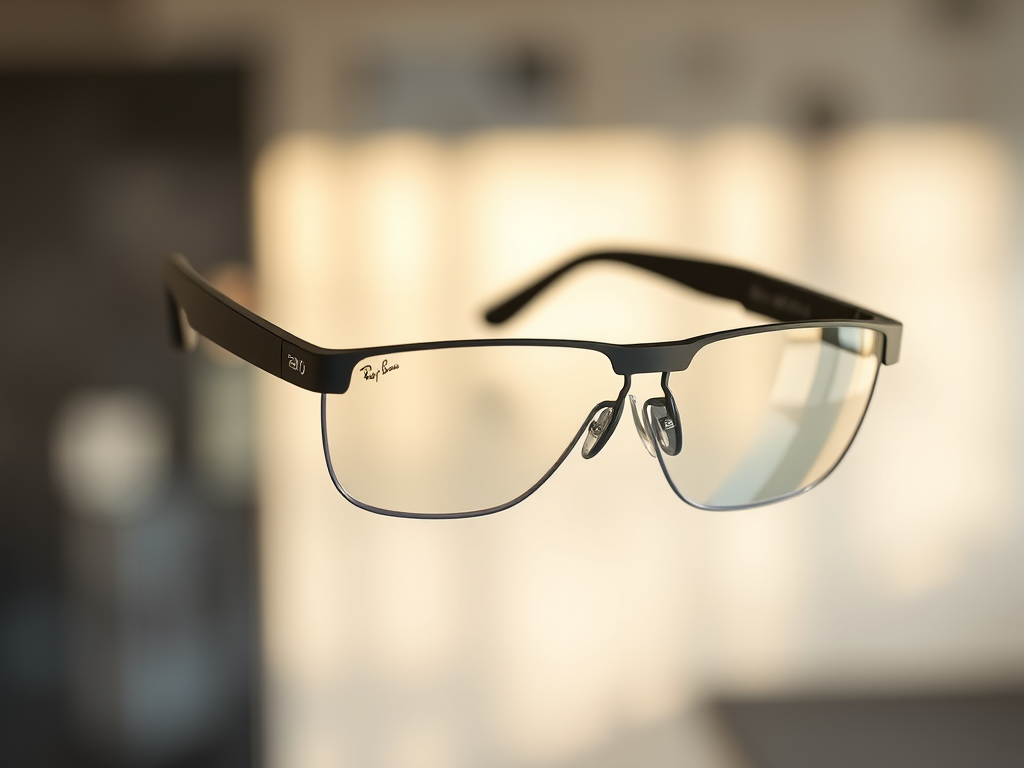
Meta first introduced its Ray-Ban-branded smart glasses in 2021, featuring built-in cameras and microphones for capturing video, taking calls, and listening to audio. The latest versions include an AI-driven voice assistant that allows users to interact with the glasses hands-free. The product’s consistent momentum has prompted Meta to increase investments in the wearables category.
Nissa Anklesaria, a Meta spokesperson, confirmed the shift in priorities. “Within our overall Reality Labs portfolio we are moving more investment from metaverse initiatives into AI glasses and wearables due to the strong traction we are seeing,” she said. “We are not planning any larger organizational changes beyond that.”
Bloomberg previously reported on the potential cuts.
CEO Mark Zuckerberg has been chasing his metaverse vision for more than a decade, beginning with Meta’s acquisition of Oculus in 2014. His long-term strategy culminated in the company’s high-profile rebranding from Facebook to Meta in 2021. The transformation signaled a commitment to building the next generation of social interaction through immersive virtual environments.
However, the path to that future has been challenging. Although Meta has achieved notable engineering breakthroughs in virtual reality, broad consumer adoption has lagged. Reality Labs, which oversees both hardware and software for the metaverse ecosystem, has accumulated more than $70 billion in losses over the past four years. Investor anxiety has grown as Meta continues to pour substantial resources into both VR technology and artificial intelligence. The company has acknowledged that it expects to spend tens of billions of dollars on AI development and data center expansion in the coming years.
The shifting landscape of the industry has also influenced Meta’s internal calculus. Competitive pressure surrounding virtual reality devices—once intense among major tech companies—has significantly cooled. Apple and Google were aggressively pursuing their own VR products in 2021, but as progress slowed at both companies, Meta’s leadership began to believe it could afford to scale back VR investments without losing ground.

Reality Labs is structured around two major groups: the Metaverse unit and the wearables unit. According to two people close to the discussions, the deepest cuts under consideration are expected to fall within the VR segment of the Metaverse team.
At this year’s Meta developer conference, Zuckerberg introduced three new smart-glasses models, including one equipped with a small internal display. All versions are powered by an AI voice assistant capable of responding to questions and interpreting the world through an integrated camera.
On Wednesday, Zuckerberg also revealed that Meta had hired Alan Dye, a veteran designer from Apple, to lead a newly formed creative studio within Reality Labs. The studio will focus on the intersection of design, fashion, and advanced technology. Dye will report to Chief Technology Officer Andrew Bosworth, who oversees the entire Reality Labs organization.
“We are moving into a new era where AI-powered glasses and other devices will transform the way we interact with technology and with one another,” Zuckerberg wrote in a Threads post. “Our new studio is dedicated to making every experience seamless, intuitive, and centered on real human needs.”




Leave a Reply