
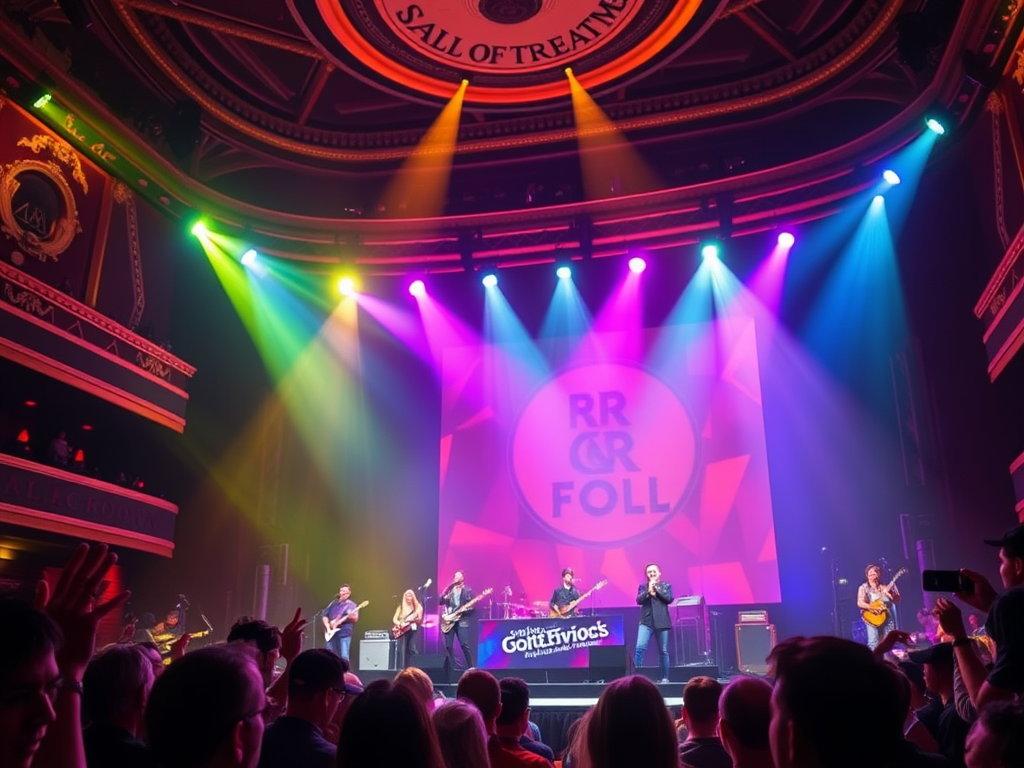

The Rock & Roll Hall of Fame has often been associated with boomer nostalgia, celebrating the legends who defined the 1960s and 1970s. Yet the 2025 induction ceremony in Los Angeles marked a clear cultural shift. This time, the spotlight belonged to Generation X — the artists who helped shape the sound and spirit of the 1980s and 1990s.
Held at the Peacock Theater, the evening served as both celebration and coronation. Icons who rose to fame during the rise of MTV, grunge culture, and early hip-hop finally received long-awaited recognition. Soundgarden, Outkast, and Salt-N-Pepa — each a groundbreaking force in their genre — took their well-deserved place among music royalty. Their induction symbolized a new chapter for the Hall, one that acknowledges the powerful influence of Gen X on modern music.
This transition was bound to happen. Rock Hall inductees become eligible 25 years after releasing their first commercial recording, meaning the artists who transformed music in the late 1980s and early 1990s were due for celebration. While the class also included pioneers from earlier eras — such as Chubby Checker, Bad Company, and Joe Cocker — it was clear that a generational passing of the mic had arrived.
During the ceremony, legendary rocker Iggy Pop introduced The White Stripes with his signature edge and humor. Recalling the first time he saw Jack and Meg White in an early photograph, he said he immediately sensed a cultural turning point. In his words, they looked like “a 21st-century Adam and Eve who had started a rock ’n’ roll band.” Jack White appeared in person, sharing appreciation on behalf of Meg White, who has stayed largely out of the public eye since the band’s final performance in 2007. Her message expressed deep gratitude to those who supported the duo throughout their career.
Missy Elliott took the stage to induct Salt-N-Pepa, praising Cheryl James (Salt), Sandra Denton (Pepa), and DJ Spinderella for clearing the path for women in hip-hop. She described them as architects of the culture — artists who refused to be sidelined and insisted that female rappers deserved equal space in the genre. Salt-N-Pepa reflected on their legacy and also drew attention to current challenges, noting that a legal dispute with Universal Music Group has temporarily removed their catalog from streaming platforms. Despite their celebration, they emphasized how the industry still struggles with fairness and respect for artists’ rights.
Outkast’s moment was equally emotional. André “3000” Benjamin and Big Boi took the stage surrounded by longtime collaborators and friends — a fitting tribute to the Atlanta-based collective that shaped Southern hip-hop. André became visibly moved while recalling how their journey began in a modest basement studio, affectionately known as the Dungeon. With his trademark sincerity, he reminded the audience that extraordinary creative movements often emerge from humble beginnings. While he did not perform during the musical tribute that followed — which included Tyler, the Creator and Janelle Monáe — his words underscored the spirit of perseverance and artistic curiosity that defined Outkast’s rise.

The ceremony honored music’s intergenerational dialogue as well. Younger artists paid tribute to the legends who influenced them, highlighting how musical innovation transcends eras. Olivia Rodrigo and Feist offered a gentle rendition of The White Stripes’ “We Are Going to Be Friends,” while Twenty One Pilots rocked the crowd with a performance of “Seven Nation Army.” Pop star Chappell Roan inducted Cyndi Lauper by sharing how she once performed Lauper’s ballad “True Colors” at a local talent show as a teenager — a moment that shaped her own musical dreams. Lauper, joined on stage by Raye and Avril Lavigne, reflected on the enduring essence of music, saying she still believes in the power of rock to change the world.
The night also carried heartfelt tributes to legends who are no longer here. David Letterman honored Warren Zevon, recalling the moment Zevon gifted him a guitar during his final late-night appearance. Letterman returned the instrument to the stage, placing it in the hands of Dave Keuning from The Killers, who performed “Lawyers, Guns and Money” in Zevon’s memory. Jim Carrey followed with a tribute to Soundgarden, recalling how the band gifted him a guitar after their iconic 1996 “Saturday Night Live” performance. He then introduced Lily Cornell, daughter of the late Chris Cornell, who expressed gratitude for the community and camaraderie that supported her father’s career and creativity.

Soundgarden delivered powerful performances in honor of their frontman. The surviving band members joined Taylor Momsen for “Rusty Cage” and performed “Black Hole Sun” alongside Brandi Carlile. Chris Cornell’s daughter, Toni, took the stage for an acoustic version of “Fell on Black Days,” accompanied by Nancy Wilson of Heart — a moment filled with emotion and remembrance, highlighting the lasting impact of Cornell’s voice and artistry.
Stevie Wonder opened the evening with a tribute to Sly Stone, setting the stage for a night filled with reverence and celebration. The finale brought the audience to its feet with a collective performance of Joe Cocker’s beloved version of “With a Little Help From My Friends.” Musicians from across eras, styles, and scenes shared the spotlight, creating a living tapestry of rock and roll history.
Before the night concluded, Jack White offered a message to the next generation of musicians — a call to creativity in an increasingly digital world. He encouraged young artists to “drop the screens” and embrace hands-on experimentation, reminding them that many cultural revolutions start in garages and bedrooms. His message was simple yet resonant: innovation thrives when passion meets persistence, and the world is always waiting for the next transformative sound.

The 2025 Rock & Roll Hall of Fame ceremony did more than celebrate legendary accomplishments; it redefined the legacy of an entire musical era. Gen X artists, once viewed as rebels and outsiders, now stand firmly in the pantheon of music history — not as disruptors, but as pioneers who reshaped sound, culture, and creative expression for future generations.
And as the final chords rang through the theater, one truth was undeniable: the spirit of rock, in all its evolving forms, remains as powerful as ever — and the next chapter is already being written.




Leave a Reply