

After years of slower sales growth, Apple has returned to a familiar strategy to reinvigorate its business: raising prices on its flagship iPhones. The approach appears to have paid off, as the tech giant reported strong quarterly results driven by both higher device prices and robust consumer demand.
On Thursday, Apple revealed that in September, it had increased prices on select popular iPhone models by $100, a move that, combined with high demand for its latest devices, helped it achieve record quarterly revenue and profit. Analysts estimated that the company sold roughly one million more iPhones than during the same period last year, further amplifying its earnings.
Apple’s total revenue for the quarter rose 8 percent year-over-year to $102.5 billion, marking the first time the company exceeded $100 billion in a September-ending quarter. Net income jumped 86 percent to $27.5 billion, a significant rebound following a previous year when profits were negatively impacted by a large tax payment.
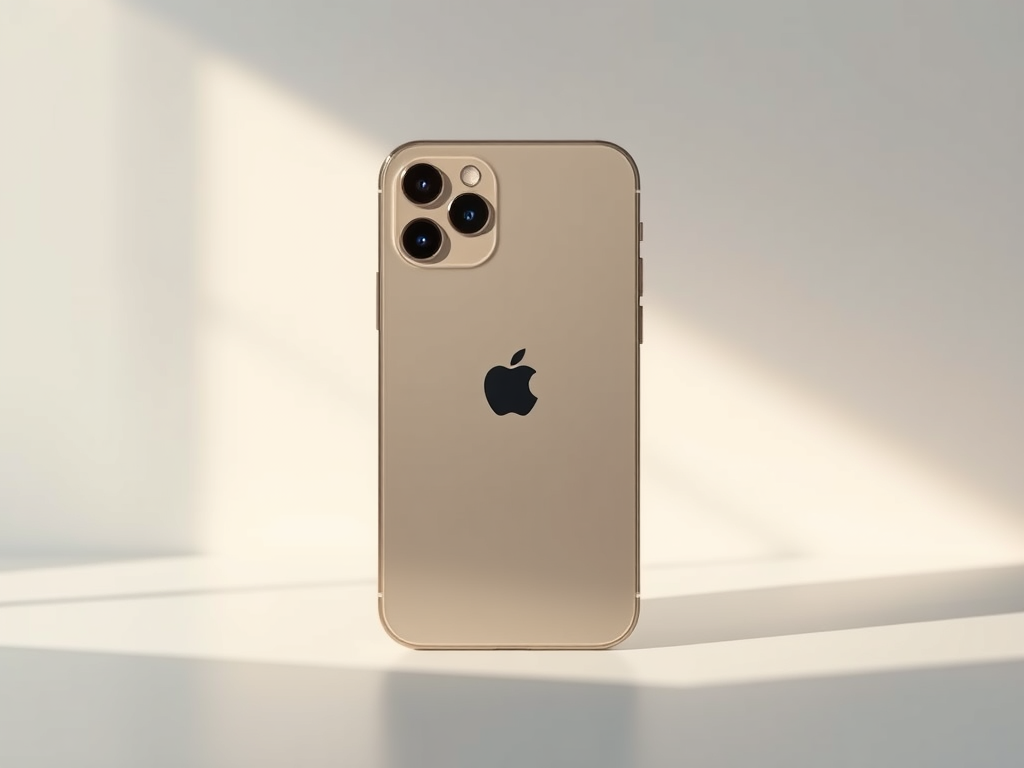
The company’s strategy to entice customers with redesigned iPhones also contributed to sales growth. In September, Apple introduced a thinner, more compact model called the iPhone Air and revamped the iPhone Pro with a distinctive raised bump on its rear panel. These design updates were well received, helping iPhone revenue climb to $49 billion for the quarter, a 6 percent increase compared with the previous year.
The results exceeded Wall Street’s expectations, with analysts forecasting $101.52 billion in revenue and $26.34 billion in profit. Following the announcement, Apple shares rose more than 4 percent in after-hours trading, buoyed by the company’s projection that revenue in the current quarter could increase between 10 and 12 percent.
Despite strong global performance, Apple’s business in China faced headwinds. Sales in the country dropped 3.6 percent to $14.5 billion. Nevertheless, CEO Tim Cook remained optimistic, noting that demand for the iPhone 17 in China exceeded the company’s production capacity and expressing confidence that Chinese sales would improve in the coming quarter.
“I couldn’t be more pleased with how things are going there,” Cook said.
The iPhone’s enduring popularity has also allowed Apple to monetize its ecosystem beyond hardware. Revenue from apps and services—including Apple Pay and payments from Google, which reportedly contributes around $20 billion annually to fulfill search queries on Apple devices—continues to grow. Services revenue rose 15 percent to $28.8 billion this quarter.

Apple recently benefited from a federal court ruling allowing Google, previously found to be an internet search monopoly, to continue paying to have search queries automatically fulfilled on iPhones. This decision preserves Apple’s revenue stream from Google and opens opportunities to charge artificial intelligence companies for access to iPhone users.
Thomas G. Plumb, president of Wisconsin Capital Management, described the Google ruling and the iPhone 17 launch as “a pleasant surprise.” He added, however, that Apple still needs a clear strategy for leveraging artificial intelligence in the coming years to sustain growth.
Currently, Apple has largely avoided direct competition in the AI sector. Unlike rivals, the company is not investing heavily in AI data centers, developing high-cost AI models, or building proprietary chatbots. Apple canceled a planned update to Siri, its virtual assistant, citing quality concerns, and announced the enhanced AI product will be released next year.
These strategic hesitations have had an effect on Apple’s stock performance. While shares of AI-focused companies like Google and Microsoft have surged more than 25 percent this year, Apple’s stock has grown a comparatively modest 11 percent.
Apple recently reached a market value of $4 trillion, a milestone that was somewhat overshadowed when Nvidia, a leading provider of AI chips, became the first company to surpass a $5 trillion valuation, highlighting the growing investor appetite for AI-driven growth.
Apple’s other business segments showed mixed results. Mac sales increased 13 percent to $8.7 billion, while iPad sales and revenue from wearables, including the Apple Watch, remained flat.
Trade policies, particularly tariffs, continue to pose challenges. The majority of Apple products are manufactured overseas, with a significant portion of iPhones produced in China, which faces higher tariffs compared to other countries. Although Apple has expanded iPhone production in India for the U.S. market, it still incurred approximately $1.1 billion in tariffs during the September quarter and anticipates tariff-related costs to rise to $1.4 billion in the current quarter, even after a recent U.S. agreement reduced China tariffs from 20 percent to 10 percent.
Apple has committed to investing $600 billion in the United States over the next four years but has yet to announce plans to manufacture any products domestically. In August, Cook visited the White House, presenting then-President Trump with a 24-karat gold plaque, praising his administration, and committing to purchase more U.S.-manufactured semiconductors.
Despite global trade challenges and cautious moves in AI, Apple’s strategy of combining higher iPhone prices with refreshed designs and a thriving services ecosystem has clearly driven strong financial results. The company’s ability to navigate market demand, regulatory rulings, and geopolitical tensions will be crucial in sustaining growth in the coming years.
As Apple moves forward, investors and analysts alike will watch closely to see how the company balances innovation, pricing, and market expansion—especially in competitive sectors like AI—while maintaining its dominant position in consumer electronics and services. The record-breaking quarter demonstrates that, for now, Apple’s strategy of leveraging design, pricing, and ecosystem integration continues to pay dividends, even as challenges loom on multiple fronts.




Leave a Reply