
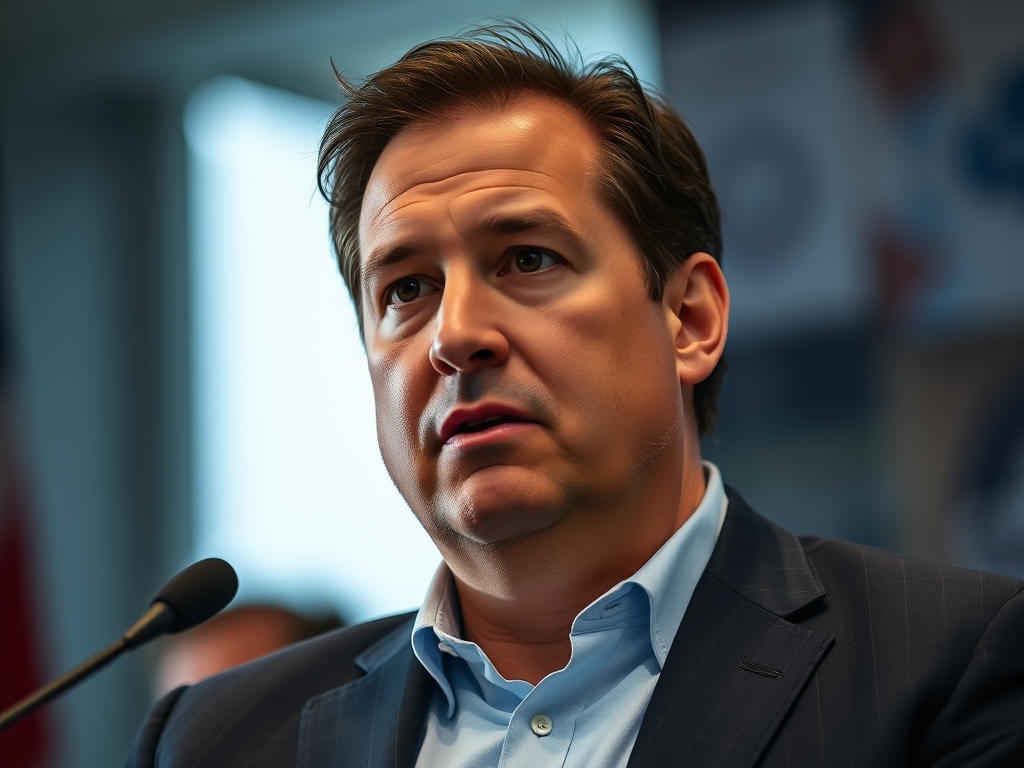

Salesforce founder and CEO Marc Benioff issued a public apology on Friday following backlash over his recent remarks advocating for National Guard deployment in San Francisco. The comments, which came amid preparations for the company’s annual Dreamforce conference, drew sharp criticism from city leaders, local officials, and even prominent figures within the tech community.
Benioff took to X, formerly known as Twitter, to clarify his stance. “I do not believe the National Guard is needed to address safety in San Francisco,” he wrote. He explained that his earlier statements were made out of caution, given the influx of roughly 50,000 attendees expected for the Dreamforce event.
“I sincerely apologize for the concern it caused,” Benioff added. “It’s my firm belief that our city makes the most progress when we all work together in a spirit of partnership.”
The controversy began last week during a phone interview with The New York Times, when Benioff suggested that the city’s police department required roughly 1,000 additional officers and proposed that the National Guard could help fill those gaps. “We don’t have enough cops, so if they can be cops, I’m all for it,” he had said during the interview.
San Francisco officials responded swiftly. Mayor Daniel Lurie and Representative Nancy Pelosi both emphasized that federal troops were neither necessary nor desired in the city. Crime rates in San Francisco, they noted, were trending downward, and efforts were already underway to hire more local police officers. The city’s district attorney, Brooke Jenkins, criticized Benioff for supporting what she described as “government-sponsored violence against U.S. citizens.”
The backlash extended into the tech community. Ron Conway, a prominent Silicon Valley venture capitalist and Benioff’s close friend of more than 25 years, publicly rebuked the Salesforce CEO in an email announcing his resignation from the board of the company’s philanthropic arm. “I now barely recognize the person I have so long admired,” Conway wrote, highlighting the growing rift among tech elites in San Francisco.
The division deepened further when Laurene Powell Jobs, the philanthropist and widow of Apple co-founder Steve Jobs, criticized Benioff in a Wall Street Journal op-ed. Powell Jobs suggested that Benioff’s extensive charitable contributions to local hospitals and schools seemed to serve as a shield for controversial political views. “In his eyes, generosity is an auction — and policy is the prize awarded to the highest bidder,” she wrote.
Benioff’s remarks represented a notable departure from his historically progressive positions. He had long supported Democratic candidates, including Hillary Clinton during her campaign against former President Donald Trump, and had funded measures to tax businesses, including his own, to support homeless services in San Francisco.
During the interview with The New York Times, Benioff indicated that his political orientation had shifted over the years. He said he had been a longtime Republican before switching to an independent stance, and he expressed praise for Trump, recounting a detailed conversation with the former president at a dinner hosted by King Charles at Windsor Castle.
The timing of Benioff’s statements was significant, given Salesforce’s deep business ties with the U.S. federal government. The company counts multiple federal agencies among its largest clients, including the Army, Coast Guard, and other defense departments. The contracts collectively represent billions of dollars in revenue.
Moreover, Salesforce has been actively pursuing additional contracts with U.S. Immigration and Customs Enforcement (ICE). Internal documents and communications reviewed by The New York Times suggest that the company aimed to leverage its artificial intelligence technology to expand ICE’s law enforcement capabilities significantly.
It remains unclear whether Benioff had directly informed Trump of his revised opinion on the National Guard deployment. On Wednesday, the former president reiterated his belief that federal troops were necessary in San Francisco, indicating the issue was still under consideration at the federal level.
Efforts to reach Benioff and Salesforce for comment were unsuccessful. Both the CEO and company representatives did not respond to inquiries. Abigail Jackson, a spokesperson for Trump, did not confirm whether Benioff had communicated with the former president but reiterated that deploying federal troops remained an option. She stated in an email, “America’s once great cities have descended into chaos and crime,” and suggested that San Francisco Democrats should welcome federal assistance to address public safety concerns.
In his apology posted to X, Benioff emphasized his commitment to the city’s well-being. He concluded the message with emojis of a red heart and the Golden Gate Bridge, signaling both care and local pride. With Dreamforce now concluded, he is expected to return to his home on the Big Island of Hawaii.
The incident underscores the heightened scrutiny tech leaders face when weighing public statements on sensitive civic issues. Benioff, known for his philanthropic contributions and advocacy on social issues, found himself at the center of a debate that bridges local politics, corporate influence, and public safety. The backlash from city officials, fellow tech figures, and the broader community demonstrates the complexities that arise when business leaders engage in political discourse, particularly on matters involving law enforcement and public order.
Analysts note that Benioff’s remarks, even if retracted, could have broader implications for Salesforce’s relationships with city leaders and local communities. “Tech executives wield immense influence in cities like San Francisco,” said one industry observer. “Statements like this, even if later corrected, can impact public perception and trust in both the company and its leadership.”
The episode also reflects ongoing tensions between private sector influence and civic governance. San Francisco, a city long associated with progressive policies and high-profile tech companies, continues to grapple with issues of crime, housing, and public safety. While city officials maintain that law enforcement resources are sufficient and that additional federal intervention is unnecessary, the debate highlights the differing perspectives among local residents, business leaders, and federal authorities.
Despite the controversy, Benioff’s apology suggests an attempt to restore his public image and reaffirm his commitment to San Francisco. By acknowledging the concerns raised by city leaders and clarifying his position, he sought to mitigate the fallout from his initial statements. Whether this apology will be sufficient to repair relationships with local officials and the broader community remains to be seen, but it underscores the importance of measured communication from high-profile corporate figures.
As Dreamforce wraps up, attention will likely shift back to Salesforce’s business initiatives and ongoing federal contracts. The incident serves as a cautionary tale for executives navigating the intersection of corporate leadership and political commentary, particularly in cities where social, economic, and political issues are deeply intertwined.
In conclusion, Marc Benioff’s brief call for National Guard intervention in San Francisco sparked a citywide debate, drawing criticism from local leaders, fellow tech billionaires, and political observers. His subsequent apology, emphasizing collaboration and community progress, marks an effort to reaffirm his dedication to San Francisco’s future. The episode highlights the delicate balance tech leaders must maintain when engaging in public policy discourse, illustrating the broader responsibilities and scrutiny faced by figures of influence in America’s tech-driven cities.




Leave a Reply