

Before the Covid-19 crisis reshaped global health policy, public health experts often warned that vaccines had become “victims of their own success.” Generations of Americans no longer remembered the devastating toll of diseases like polio or measles, and officials believed that if those illnesses resurfaced, fear would quickly restore confidence in immunization.
That assumption has proven deeply flawed.
Even after the largest U.S. measles outbreak since 2000 swept through unvaccinated communities earlier this year—resulting in hundreds of cases and the tragic deaths of two young girls in Texas—opposition to vaccines has barely budged. Instead of deterring parents from resisting immunization, the outbreak highlighted just how entrenched skepticism has become.
Texas: Ground Zero for a Crisis
Texas emerged as the focal point of the outbreak for a reason. The state’s vaccination coverage among kindergartners has slipped to 93.2% in the 2024–2025 school year, down from nearly 97% in 2019. That drop pushed Texas below the 95% threshold that epidemiologists say is needed to maintain herd immunity.
Over the past five years, the number of kindergartners missing recommended immunizations has nearly doubled. By early 2025, around 25,000 children had skipped at least one measles shot—more than in any other state—leaving schools and communities vulnerable to outbreaks.

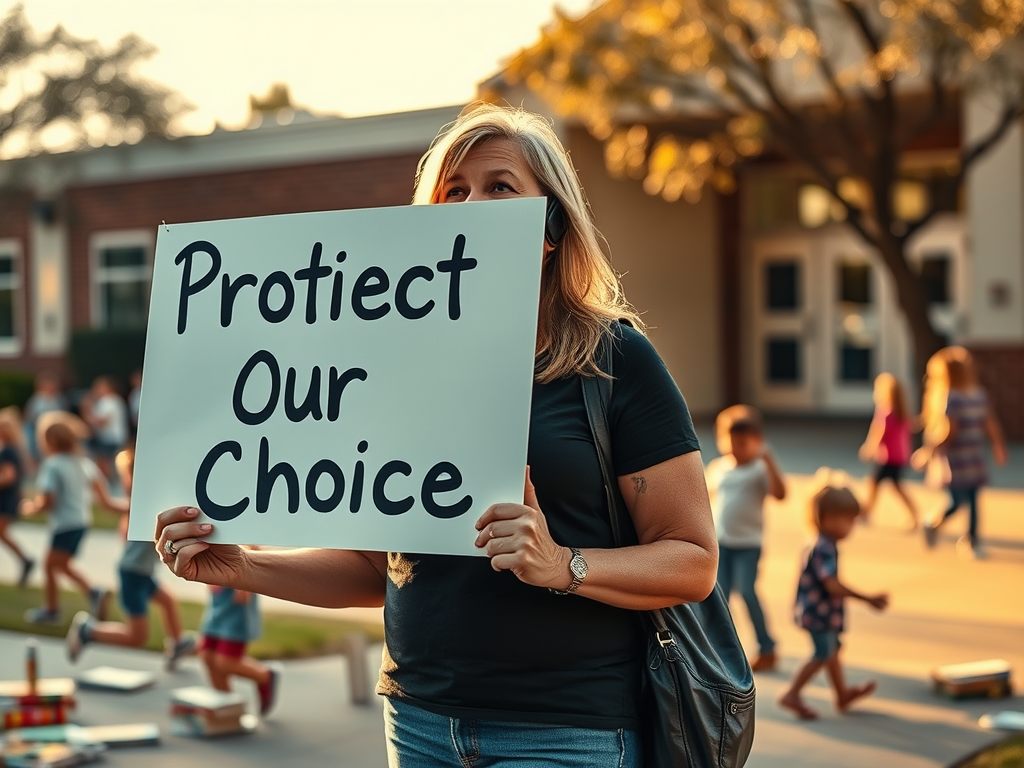
Parents who oppose vaccines, interviewed across Texas, showed little sign of doubt. For many, resistance is no longer a personal health choice but a defining feature of identity. Families have even relocated to Texas, drawn by looser vaccine laws.
One mother in the Dallas–Fort Worth area, who has declined all vaccines for her three youngest children, explained: “I can’t stop driving because accidents happen. I won’t let fearmongering push me into measles shots.”
Her attitude mirrors a broader trend: many parents point to online videos, podcasts, and social media posts—often rife with misinformation—as their main sources of information. For some, skepticism predated parenthood; for others, doubts solidified during the pandemic.
Covid-19 as a Turning Point
The Covid pandemic acted as an accelerant for vaccine resistance. Mandates for Covid shots, combined with the rapid pace of vaccine development, fueled distrust in pharmaceutical companies and government institutions. What began as hesitancy toward Covid vaccines spilled over into suspicion toward long-established immunizations for measles, mumps, polio, and more.
“It woke everyone up,” said one mother near Austin, describing how conversations in her community shifted during the pandemic. People began asking broader questions: Who benefits financially from vaccines? Why should government agencies decide what families must do?
The result has been a fusion of anti-vaccine beliefs with anti-establishment sentiment. Resistance to immunization now overlaps with broader distrust of government, schools, and the medical system. In many communities, the idea of rejecting vaccines is no longer taboo—it is celebrated. Parents gather in private religious schools, exchange breast milk from unvaccinated mothers, and turn to churches or alternative clinics that reinforce their choices.

Political Endorsements and Policy Shifts
What once existed on the fringes has now been validated by policy shifts. Robert F. Kennedy Jr., a longtime critic of vaccines, currently heads the Department of Health and Human Services, using his platform to deepen mistrust of mainstream immunization campaigns. In Texas, Republicans have moved to loosen vaccination rules further, outlawing Covid vaccine mandates at workplaces and even proposing bans on mRNA-based vaccines.
Florida went even further this year, announcing it would eliminate all vaccine requirements, including the long-standing childhood immunizations that formed the backbone of public health protection for decades.
Public health advocates now face not only the spread of misinformation but also a political movement with significant influence.
Searching for Answers, Finding Communities
Many vaccine skeptics trace their doubts to personal experiences or heartbreaking diagnoses. One Texas father believes that his son’s autism is linked to vaccines, despite overwhelming scientific evidence disproving such a connection. His story reflects a familiar pattern: parents desperate for answers often cling to explanations that reinforce their fears.
Historically, skepticism crossed political lines, spurred in part by a debunked 1998 study that falsely linked measles vaccines to autism. But after a 2015 outbreak in California, which forced lawmakers there to tighten exemptions, resistance began to align more closely with conservative politics.
Today, political affiliation is the single strongest predictor of vaccine attitudes. A Gallup poll found that 63% of Democrats consider vaccines “extremely important,” compared with just 26% of Republicans.

From Fringe to Mainstream
Stories from individual families illustrate how skepticism has evolved from fringe to mainstream.
One Texas mother recalls feeling isolated when she refused to vaccinate her children in the early 2000s. She says other parents treated her “like a leper.” But by 2020, she and her family had moved to Texas, where her views were not only tolerated but increasingly common.
Another parent, a nutritionist in Fort Worth, proudly describes raising her children without vaccines and notes that her church-affiliated school boasts some of the lowest vaccination rates in the state. For her, skepticism aligns with her religious convictions and political identity, deepening her sense of belonging in a community of like-minded families.
The Broader Consequences
For doctors and scientists, the implications are troubling. Falling vaccination rates put herd immunity at risk, threatening to bring back diseases once nearly eliminated in the U.S. Pediatricians report a surge in confrontational visits, with some families leaving practices that insist on following CDC guidelines.
One Texas nurse practitioner now presents vaccines as a “neutral option,” reflecting a shift in medical practice as clinicians attempt to retain skeptical patients while still promoting public health.
But experts warn that neutrality can enable misinformation to flourish unchecked. “Our herd immunity is a national asset,” said one behavioral health expert. “We’ve invested decades in building it, and it’s now under serious threat.”
Local Officials and Cultural Resistance
Resistance has also become embedded in local politics. In West Texas towns, officials describe vaccines as a “personal choice,” equating public health with individual opinion. That framing allows misinformation to spread more easily and makes it harder for legislators to address outbreaks without appearing to take sides in a culture war.
As one vaccine advocate in Texas noted: “I couldn’t even get a legislator to say the word ‘measles.’ They think acknowledging it is political suicide.”

The Road Ahead
The measles outbreak in Seminole, Texas, which was declared over just last month, may not be the last. Experts predict that declining childhood immunization rates will fuel additional flare-ups across the country. The question is not whether but when—and how severe.
The pandemic revealed that even in the face of mass illness and millions of deaths, a significant portion of Americans would reject vaccines. That resistance has since hardened into a political and cultural identity, supported by churches, alternative clinics, and sympathetic policymakers.
Public health leaders now confront a daunting reality: restoring confidence in vaccines is no longer just about science or education. It requires navigating misinformation, ideology, and politics in a climate where skepticism has become mainstream.
And while the medical evidence remains clear—that vaccines are safe, effective, and lifesaving—the challenge lies in persuading communities that no longer trust the very institutions promoting them.




Leave a Reply