
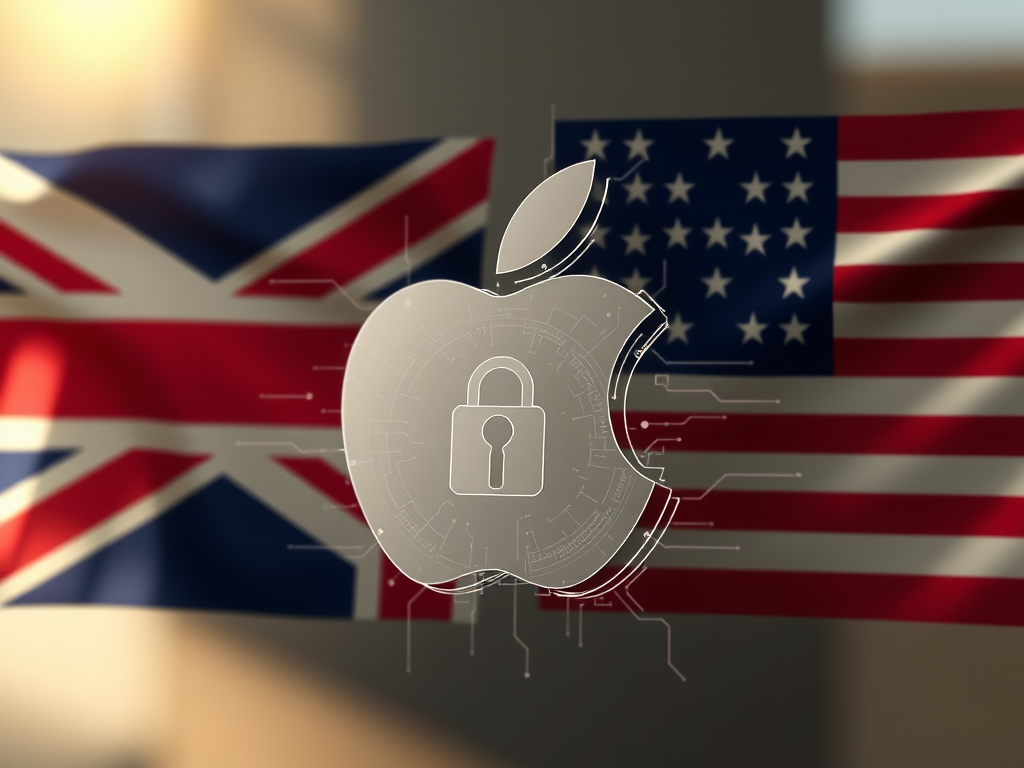

Britain Drops Request That Apple Create a Back Door

In a significant development for the ongoing debate over digital privacy, the Trump administration has struck an agreement with the United Kingdom that spares Apple from having to create a special tool granting British law enforcement access to private user data stored in iCloud. The decision comes after months of lobbying, diplomatic negotiations, and public debate surrounding government surveillance, corporate responsibility, and the protection of personal liberties in the digital age.
The controversy began earlier this year when the British government quietly issued a classified order to Apple under the country’s amended Investigatory Powers Act of 2016. The order sought to compel the technology giant to provide a “back door” into its encrypted storage system, effectively allowing law enforcement and intelligence agencies to bypass Apple’s advanced encryption protocols. Had it gone into effect, the mandate would have undermined one of Apple’s most important security features: Advanced Data Protection, which ensures that nearly all iCloud data—including messages, photos, notes, and backups—remains encrypted and inaccessible even to Apple itself.
U.S. Officials Intervene
Tulsi Gabbard, the U.S. Director of National Intelligence, revealed the breakthrough late Monday night in a statement posted on social media. According to Gabbard, Britain ultimately agreed to drop its demand that Apple weaken its encryption systems. She emphasized that allowing such a tool to exist would not only have affected British users but also jeopardized the privacy of millions of American citizens.
“Britain has agreed to abandon its request for Apple to create a back door that would have exposed private, encrypted data and infringed on the civil liberties of American citizens,” Gabbard wrote. “This ensures that Americans’ personal data remains protected and that our constitutional rights are safeguarded.”
Her comments underscore the deep international implications of encryption policy. Although the request originated in London, any weakening of Apple’s encryption system would have had a global ripple effect. Cybersecurity experts have long warned that once a back door exists—even if designed for limited use—there is no way to guarantee it will not be abused by hackers, authoritarian governments, or criminal groups.
Apple’s Firm Stance on Privacy

Apple has consistently framed itself as a defender of digital privacy, often clashing with governments over data access. For years, the company has resisted pressure to build back doors into its devices, arguing that doing so would compromise the integrity of its security architecture. The company maintains that it cannot—and will not—develop tools that allow government agencies to circumvent its encryption.
In Britain, the situation became public when Apple announced in February that iPhone users in the country would lose access to Advanced Data Protection, a feature still available to customers in the United States and many other regions. Notifications began appearing on British devices, informing users that their iCloud accounts would no longer be fully encrypted.
Behind the scenes, Apple had been lobbying both the Biden and Trump administrations, urging Washington to push back against the UK’s demands. According to sources familiar with the negotiations, Apple argued that granting Britain access would set a dangerous precedent. Once one country succeeds in forcing a back door, others—including nations with weaker rule-of-law traditions—would likely demand similar concessions.
The Investigatory Powers Act and Its Global Impact
At the heart of the dispute is Britain’s Investigatory Powers Act, sometimes referred to as the “Snooper’s Charter.” Originally passed in 2016, the law grants sweeping surveillance powers to UK intelligence and law enforcement agencies. Amendments introduced this year expanded the government’s authority to compel technology companies to hand over user data or modify their systems to facilitate access.
Privacy advocates criticized the amendments as overly broad and dangerous, warning that they erode fundamental rights in the digital era. By targeting Apple’s encryption system, the British government was effectively demanding a technological vulnerability that would put millions at risk—not just suspected criminals or national security threats.
Apple’s resistance highlights the tension between governments seeking greater visibility into online communications and corporations determined to uphold customer trust. Silicon Valley companies, particularly Apple, Google, and Meta, are increasingly caught in the middle of these geopolitical battles. Each decision carries not only legal consequences but also reputational stakes as consumers grow more sensitive to privacy issues.
The Role of Public Pressure
While much of the dispute unfolded in secret, Apple’s decision to go public with its objections marked a turning point. By notifying British users that their Advanced Data Protection feature had been disabled, the company effectively turned the issue into a public debate. Technology journalists, privacy experts, and civil liberties groups quickly amplified the story, putting additional pressure on policymakers.
Bloomberg was among the first outlets to report on Gabbard’s announcement. The media coverage, coupled with sustained lobbying in Washington, likely played a role in Britain’s eventual decision to walk back its demands. Governments often pursue such surveillance mandates in secrecy, but the exposure of this case illustrates the growing difficulty of balancing state power with public accountability.
A Broader Debate on Privacy vs. Security
The outcome of this case reflects the broader, unresolved tension between national security and individual privacy. Governments argue that encrypted platforms hinder their ability to investigate crime and prevent terrorism. Law enforcement agencies frequently warn that criminals and terrorists exploit encrypted communication channels to evade detection.
On the other hand, privacy advocates counter that undermining encryption weakens security for everyone, not just potential wrongdoers. Creating a back door introduces a structural vulnerability that can be exploited by malicious actors. Once such a mechanism exists, it cannot be limited to “good guys” only.
Apple has long aligned itself with this latter view. By refusing to weaken encryption, the company positions itself as a defender of customer rights in the digital realm. This stance resonates strongly with consumers, particularly as data breaches, surveillance scandals, and cyberattacks become more common.
Implications for Tech Companies Worldwide
Britain’s reversal is likely to be closely watched by other governments. Many countries, including Australia, India, and parts of the European Union, have considered or enacted legislation compelling companies to provide access to encrypted data. The Apple-UK standoff may embolden other tech companies to resist similar demands, knowing that public pressure and international diplomacy can shift the outcome.
For Apple, the victory is significant but not final. The company remains under constant scrutiny from regulators and lawmakers across the globe. At any time, a new legal challenge could arise, forcing Apple to defend its security model again. Nonetheless, the resolution of this case strengthens Apple’s public image as a champion of privacy and user trust.
Looking Ahead
While Apple has emerged victorious for now, the fundamental debate over encryption is far from settled. Governments will continue to seek ways to gain access to digital communications in the name of national security. Meanwhile, technology companies will keep advancing encryption technologies to protect users from cybercrime, hacking, and surveillance overreach.
The Apple-UK dispute offers a glimpse of the future: a world where global tech companies must navigate conflicting laws, national interests, and consumer expectations. With privacy increasingly seen as a fundamental human right, the outcome of these battles will shape not only the future of technology but also the balance of power between states and individuals.
As Tulsi Gabbard emphasized in her statement, Britain’s decision ultimately protects American citizens as well as global users. “Ensuring Americans’ private data remains private is essential to safeguarding our constitutional rights and civil liberties,” she said. For Apple and millions of its customers, that message underscores the enduring importance of privacy in an age defined by digital connectivity.




Leave a Reply