

The Rise of Physical Media: Why Blu-rays Matter Again

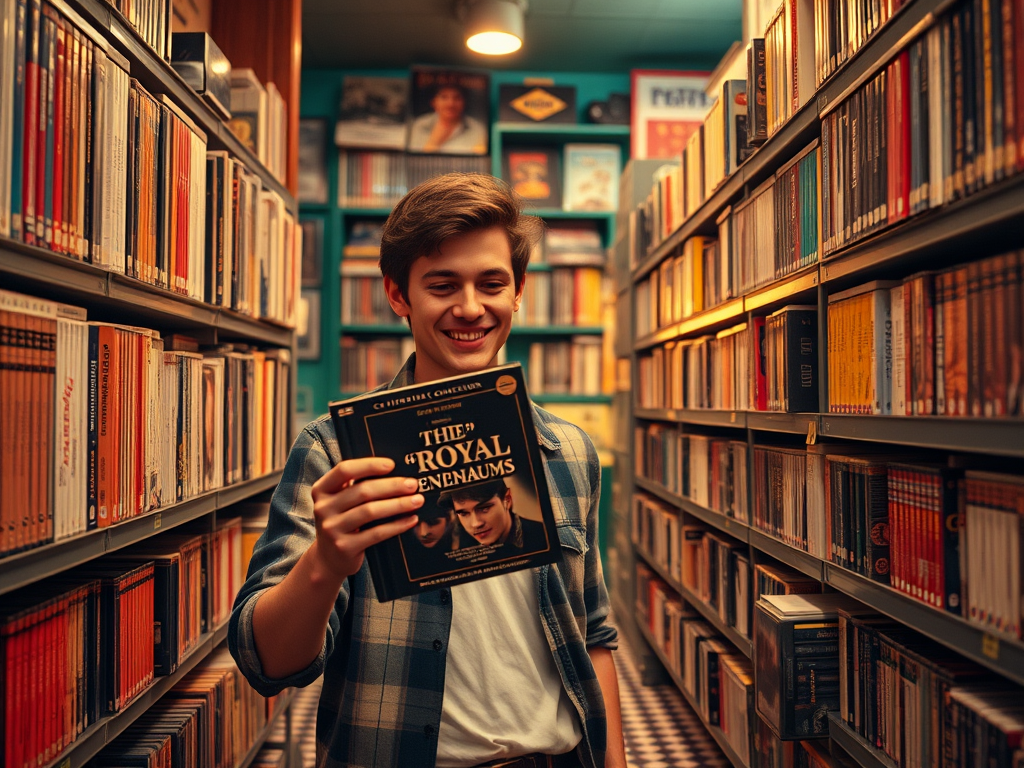
Just a few weeks ago, a young man named Noah Snyder stepped into Night Owl, a retro-style video store tucked away in the Williamsburg neighborhood of Brooklyn. The shop, a nostalgic haven for cinephiles, offers an eclectic mix of Blu-rays, DVDs, and even vintage VHS tapes. After browsing the shelves for a few moments, Snyder selected a pristine Criterion Collection edition of The Royal Tenenbaums—the first Wes Anderson film he ever watched.
“I had tons of DVDs when I was a kid,” said Snyder, 27. But in recent years, witnessing how major streaming companies treat films and TV shows—often pulling them with little warning—has led him to return to collecting physical media. He pointed to comments made by actress Cristin Milioti, who recently lamented the complete removal of her show Made for Love from HBO Max. It wasn’t just canceled—it vanished from the platform entirely.

“The decisions that CEOs are making these days… they’re really poor,” Snyder said. “I don’t want to wake up one day and find that something I care about is just gone.”
Over the last two decades, the dominance of physical media in home entertainment has significantly declined. Blockbuster is a relic of the past. Streaming platforms reign supreme. Netflix has phased out DVD rentals entirely. Big-box retailers like Best Buy no longer stock DVDs or Blu-rays. Many manufacturers have halted production of disc players altogether. According to the Digital Entertainment Group, retail sales of physical video formats dipped below $1 billion last year.
And yet, beneath the surface of this digital tidal wave, there’s a quiet but growing resistance. It’s small and scattered—but undeniably real.
Alex Holtz, an analyst specializing in media and entertainment at International Data Corporation, likens this resurgence of Blu-rays to the vinyl revival in the music industry. Holtz himself enjoys streaming music during his walks, but for albums he truly loves, he insists on owning the record. “It feels like we’re in a sort of retro-futuristic moment,” he said.
Movie enthusiasts, too, are finding themselves drawn to the tactile experience of owning films again. Beyond just nostalgia, many believe that physical media offers superior visual and audio quality, and—perhaps most critically—it provides a sense of security. Once you own a disc, it’s yours. No licensing issues, no sudden removals, no algorithm deciding what stays in your library.
This sentiment was captured vividly in a viral post from the creators of Hundreds of Beavers, a 2022 indie comedy. Promoting the physical release of their film, they challenged readers: “Think of your favorite film. Now ask yourself: do you actually own a copy? Or are you streaming it from some impersonal server? And who controls that server? Who decides what content is erased or altered?”
Their message ended with a bold declaration: “This isn’t just about nostalgia — it’s about survival. Blu-rays are freedom in an age of digital control.”

It’s a philosophy that is resonating with more and more people.
“People are waking up to the realization that digital ownership is often an illusion,” said Aaron Hamel, co-founder of Night Owl, who opened the shop with his business partner, Jess Mills. “If you want to truly own something, you have to hold it in your hands.”
The shop caters to both devoted collectors and curious newcomers. Longtime enthusiasts eagerly await announcements from niche distribution labels, while younger, less tech-savvy moviegoers are drawn to the romance of tangible media. Some want to own their first Wes Anderson film. Others seek out complete box sets of cult classics like Twin Peaks, or beloved childhood favorites like High School Musical.
Avery Coffey, 25, hosts the horror-themed podcast Unbound & Rewound and was recently spotted perusing the aisles of Night Owl. She explained her reason for buying a physical copy of High School Musical: “With everything being altered, banned, or disappearing from streaming, it feels necessary to preserve the films that mean something to me.” She added, “I want to show the kids in my family the movies that helped shape who I am.”
Owning a disc isn’t just a sentimental act—it’s a form of protection. When you stream a film like Casablanca, you’re essentially renting it. It’s available only for as long as the streaming service chooses to carry it, and only if you maintain your subscription—or, in some cases, tolerate ads. Even purchasing a digital copy doesn’t guarantee permanence; more often than not, you’re just licensing the title.
This became painfully clear for users of Funimation, an anime streaming service. After a corporate merger, many users lost access to their previously purchased content. Similarly, Amazon is facing a pending class-action lawsuit alleging that customers were misled into thinking they were buying digital content outright, only to later discover they were merely buying a temporary license.
Digital media is also vulnerable to edits. George Lucas famously added CGI creatures and scenery to Star Wars—and even modified the iconic shootout between Han Solo and Greedo. Disney+ does not host the original version. Other streamers have removed nudity or depictions of smoking. Netflix, for instance, deleted a controversial scene from 13 Reasons Why years after its release. Episodes of 30 Rock involving blackface were pulled at the request of creator Tina Fey.

“There’s an expectation among consumers that when they buy something, they own it permanently,” said Aaron Perzanowski, a law professor at the University of Michigan. “That includes the right to lend, sell, or give it away. But digital media often denies those rights, and when people realize that, they’re understandably upset.”
Streaming libraries are ever-changing. Content rotates in and out based on licensing deals. Media outlets regularly publish monthly lists of additions and removals for each platform. And while physical media can be pricey, streaming subscriptions add up too. Subscribing ad-free to services like Netflix, HBO Max, Hulu, and Criterion Channel could cost over $700 annually.
Still, streaming has its place. Jonathan Marlow, executive director of Scarecrow Video—a nonprofit video archive in Seattle—stresses that it doesn’t have to be a binary choice. “I support streaming, but I don’t think it’s a replacement for everything,” he said. Scarecrow, along with places like Kim’s Video in New York and Vidiots in Los Angeles, offers access to tens of thousands of titles that are unavailable anywhere online. Netflix, for instance, currently offers about 16,000 titles. Scarecrow boasts nearly 150,000—many of which can be rented by mail.
Marlow reflected, “People say, ‘Everything’s online.’ But it’s not. And that’s exactly why places like ours still matter.”
Ironically, the rise of streaming may have fueled this renewed appreciation for physical media. The sheer accessibility of digital content has sparked a deeper interest in film itself, especially among younger viewers, some of whom now want to own and explore their favorites in a more permanent way.

“The media overload may have actually expanded people’s appetite for film,” said Richard Lorber, CEO of Kino Lorber, which runs both a streaming service and a physical distribution business. “And when they find a film they love, they want to keep it.” Lorber added that his company’s physical media sales are up 15 percent this year.
The Criterion Collection sees a similar pattern. According to company president Peter Becker, their Criterion Channel streaming platform often acts as “a gateway” that encourages viewers to start building physical collections.
There’s also the question of quality. Streaming relies on compressed files that degrade picture and sound. A good Blu-ray played on a decent TV provides a much more immersive experience. Douglas McLaren, a film archivist at the University of Chicago, explained that his institution avoids streaming subscriptions entirely, relying on its robust collection of over 7,000 discs and 3,000 film prints.
Perhaps the most surprising shift is that collecting physical media is now, somehow, cool. Social media has embraced this retro trend. The Criterion Closet series, where filmmakers enthusiastically pick out their favorite discs from the company’s vault, has become a viral hit. And Williamsburg—long a cultural trendsetter—is now home to a thriving video store.
“We’re millennials,” said Hamel of Night Owl. “We didn’t expect to see so many college-aged kids walk in, grab a few five-dollar DVDs, and head home to watch them with friends. But it’s happening. And it’s kind of beautiful.”




Leave a Reply