
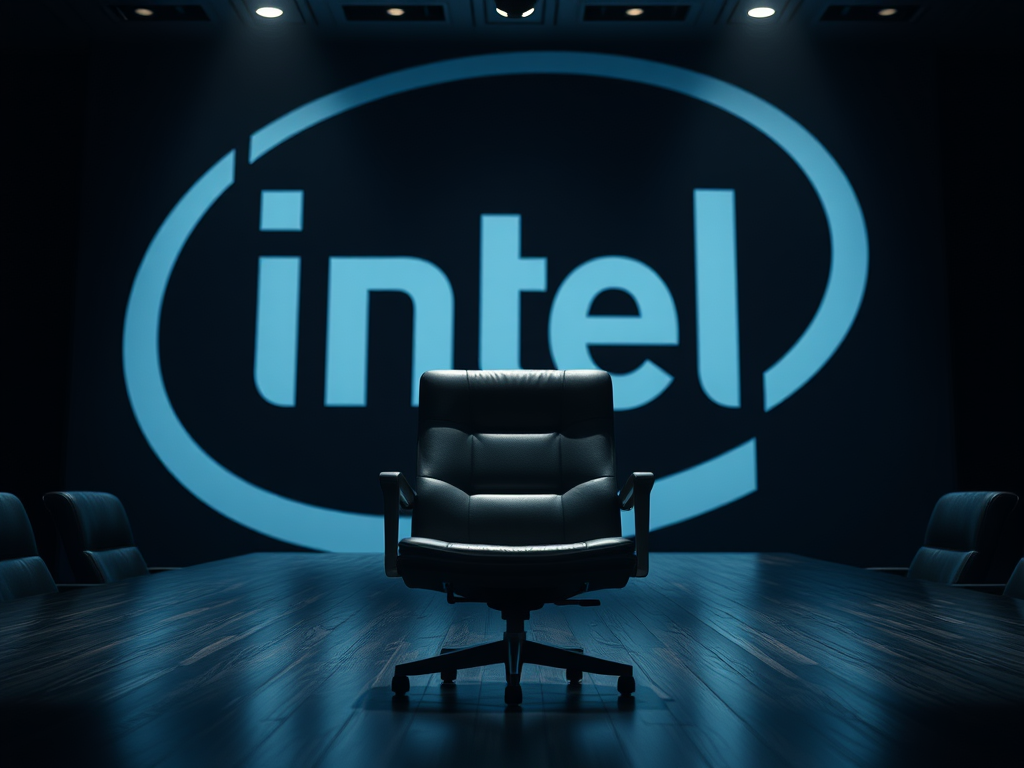

Over the weekend, Intel’s board of directors presented CEO Patrick Gelsinger with an ultimatum: step down or face termination.
Intel’s Chief Executive Is Out Amid Chipmaker’s Struggles.
The board concluded that Mr. Gelsinger’s departure was necessary due to the slow progress of his turnaround strategy for the semiconductor giant, according to a source familiar with the matter who requested anonymity. The company has also been grappling with other setbacks, including a more than 50% drop in its stock value this year.https://wordpress.com/

On Monday, Intel announced that Mr. Gelsinger, 63, would retire effective December 1. The veteran executive, who rejoined the company as CEO in 2021 after an 11-year hiatus, also stepped down from the board. For now, Intel’s leadership will be shared between David Zinsner and Michelle Johnston Holthaus as the company searches for a permanent replacement.http://前往google
This sudden leadership shift highlights the continued decline of the once-iconic tech company. Intel, which played a pivotal role in shaping Silicon Valley and became a household name in technology, has struggled in recent years with innovation challenges, losing ground to competitors like Nvidia, the dominant force in AI chip manufacturing.
Frank Yeary, Intel’s interim executive chair, expressed the board’s commitment to regaining investor trust in a statement: “We have much more work to do at the company and are focused on delivering for our customers.”
Mr. Gelsinger described his departure as bittersweet, acknowledging the difficulties faced during his tenure. “This year has been challenging for all of us as we made tough but necessary decisions to adapt to the current market,” he said.
The shift in leadership follows mounting doubts about Intel’s future. Wall Street analysts have even speculated that the company might face a potential breakup or takeover. Mr. Gelsinger’s ambitious production roadmap—a key part of his turnaround plan—has also shown signs of falling short of expectations, potentially leaving Intel lagging behind competitors like TSMC in advanced manufacturing technology.
Intel, which once dominated the semiconductor industry, began losing its edge in manufacturing to TSMC in the late 2010s. It also missed opportunities in the mobile processor market and the rapidly expanding AI sector.
In an effort to regain competitiveness, Mr. Gelsinger announced a bold strategy to implement five new production processes within four years and expand Intel’s role as a manufacturer for other chip designers. He also heavily lobbied for the CHIPS Act, which aims to bolster U.S. semiconductor production, committing Intel to substantial investments in domestic manufacturing.
Despite these efforts, Intel’s financial performance deteriorated. Between 2021 and 2023, revenue dropped by over 30%, culminating in a $16.6 billion quarterly loss in October—the largest in the company’s history. Meanwhile, rivals like Nvidia continued to soar in market value, further diminishing Intel’s standing.
As part of his cost-cutting measures, Mr. Gelsinger announced plans to cut 15,000 jobs and delay new factory projects, such as one in Germany. While he claimed to have the board’s support, the recent decision suggests otherwise. The board signaled dissatisfaction with Intel’s focus on competitiveness, emphasizing the need to prioritize product innovation.
The interim leadership team includes Ms. Holthaus, a longtime Intel executive, and Mr. Zinsner, who joined as CFO in 2022. Following the announcement of Mr. Gelsinger’s departure, Intel’s shares initially rose in premarket trading but closed the day slightly down.
Mr. Gelsinger, a 30-year Intel veteran, previously served as the company’s CTO before leaving to lead VMware. He returned in 2021 with a vision to revive Intel’s engineering-driven culture, inspired by former CEO Andy Grove. However, critics argue that this approach, while rooted in Intel’s legacy, hindered the company’s ability to pivot into emerging markets.
Production challenges further complicated Intel’s recovery. While TSMC has achieved high yields on its latest 2-nanometer chips, Intel’s equivalent processes lag far behind, increasing production costs and making it less competitive.
Mr. Gelsinger’s strategy also relied heavily on government support. As part of the CHIPS Act, Intel pledged $100 billion in U.S. manufacturing investments, but recent government commitments fell short of initial expectations. Restrictions tied to federal grants could also limit Intel’s strategic flexibility, including the potential spinoff of its manufacturing business.
Some experts, including former board members, have urged Intel to split its manufacturing and design operations, arguing that competitors might hesitate to use Intel’s manufacturing services while it remains a combined entity. Although Mr. Gelsinger had proposed making the chip-making unit a subsidiary, his departure raises questions about Intel’s future direction.
Intel stated on Monday that its leadership structure and strategic focus would be under review as it moves forward.


Leave a Reply