

Energy has emerged as a major factor complicating efforts to advance Ukraine peace talks, as negotiators confront questions about infrastructure, resources, and economic control that extend far beyond the immediate conflict zone.
The war in Ukraine has repeatedly demonstrated that energy is not only an economic issue but also a strategic tool. Russia’s role as a major global energy supplier, Ukraine’s position as a transit country, and Europe’s effort to reduce dependence on Russian supplies have all shaped diplomatic calculations since the full-scale invasion began.
Recent discussions around a potential pathway toward ending the conflict have brought renewed attention to energy-related questions, including the future of damaged infrastructure, control of energy-producing regions, and arrangements that could affect future trade flows.
For Ukraine, energy security is closely linked to national sovereignty. The country has experienced repeated attacks against power generation facilities and transmission networks during the war, making protection and rebuilding of energy systems a central issue in any reconstruction strategy.
For Russia, energy assets have historically represented both economic leverage and geopolitical influence. Control over energy infrastructure and export routes has been a recurring element in broader regional disputes, creating additional complications for negotiators seeking a lasting agreement.
European governments are also watching developments closely. The European Union has spent years reshaping its energy strategy following disruptions caused by the war, including expanding alternative supply sources and accelerating renewable energy investments. Any settlement affecting energy relationships with Russia or Ukraine could have implications for European markets and policy decisions.

The United States has maintained a central role in diplomatic efforts related to the conflict while also emphasizing the importance of Ukraine’s security and long-term independence. American officials have previously highlighted the need for any agreement to include credible protections and mechanisms that prevent renewed instability.
Energy considerations also intersect with sanctions policy. Restrictions on Russian energy exports, financial transactions, and technology access have been key components of Western pressure on Moscow. Changes to those policies would require careful coordination among the United States, European partners, and other allied governments.
Analysts say energy negotiations are particularly difficult because they involve both immediate practical questions and long-term political consequences.
- Infrastructure: Decisions over damaged power plants, pipelines, ports, and electricity networks could shape Ukraine’s recovery.
- Trade: Future energy exports and transit arrangements could affect European supply chains and global markets.
- Security: Energy facilities may require protection arrangements as part of any broader settlement.
- Investment: Reconstruction financing will depend partly on confidence in Ukraine’s future stability.
The challenge for negotiators is that energy agreements cannot be separated from territorial and security questions. Control of certain regions, access to resources, and guarantees for infrastructure protection are closely connected to the broader dispute.
U.S. officials and European policymakers have also considered the possibility that energy cooperation could play a role in postwar recovery. Ukraine has significant potential in areas such as electricity generation, renewable energy development, and energy infrastructure modernization, but attracting investment would require predictable conditions.
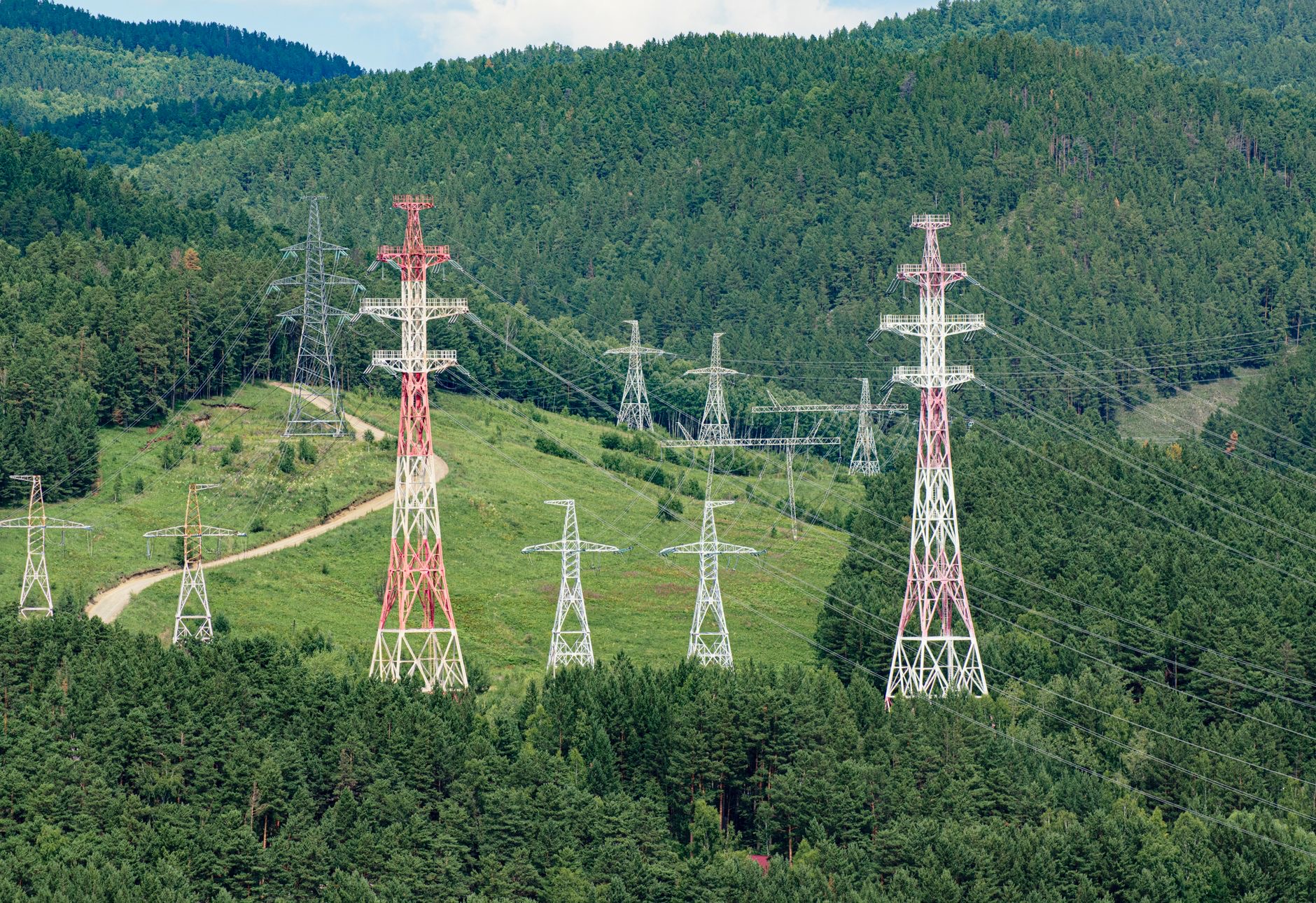
The conflict has already accelerated changes in the global energy landscape. European countries have diversified suppliers, expanded liquefied natural gas capacity, and increased efforts to develop domestic energy sources. A future settlement could influence whether those shifts continue or whether new energy relationships emerge.
Energy experts caution that a political agreement alone would not immediately resolve the technical and financial challenges surrounding Ukraine’s energy system. Repairing damaged facilities, securing financing, and restoring reliable supply networks would likely require years of international cooperation.
The United States is expected to continue monitoring the energy dimension of negotiations because it affects multiple strategic priorities, including European stability, alliance cohesion, and global energy security.
While diplomacy remains uncertain, energy has become a central test of whether competing interests can be reconciled. Any future peace framework will likely need to address not only military and political issues but also the economic systems that support long-term recovery and regional security.




Leave a Reply