

A federal prison sentence in Montana and a continuing confrontation on Wyoming’s Wind River Indian Reservation highlighted two very different public-safety and legal disputes across the northern Rockies this week. In Bozeman, federal prosecutors announced that Jerron Micheal Mitchell-Fuller, 36, had received a four-year prison term for illegally possessing loaded firearms as a convicted felon. On the Wind River Reservation, meanwhile, a dispute that began with a pastor’s criticism of Indigenous spiritual practices has moved further into the legal system as demonstrations continue and the pastor seeks court protection from two protest leaders.
The U.S. Attorney’s Office for the District of Montana said Mitchell-Fuller was sentenced by U.S. District Judge Susan P. Watters to four years in prison, followed by three years of supervised release. Mitchell-Fuller pleaded guilty in April 2026 to unlawfully possessing a firearm. Federal law generally prohibits people convicted of qualifying felonies from possessing firearms or ammunition, and prosecutors said Mitchell-Fuller had multiple previous felony convictions before the incident that produced the latest federal case.
According to the Justice Department, authorities encountered Mitchell-Fuller walking near Interstate 90 in Bozeman while carrying two loaded handguns. Earlier that day, prosecutors said, he had taken another man’s cellphone, prompting a report to police. After officers located him, Mitchell-Fuller told investigators that he had absconded from federal supervised release in Billings and acknowledged that he knew he was not legally permitted to possess firearms. The Bureau of Alcohol, Tobacco, Firearms and Explosives investigated the case.
Federal prosecutors said Mitchell-Fuller’s criminal history included theft convictions in Montana and Idaho, an escape-from-custody conviction in Cascade County and a conviction for possession of methamphetamine with intent to distribute in Billings. His latest conviction therefore adds another federal sentence to a documented record of previous felony cases. The four-year prison term is followed by a three-year period during which Mitchell-Fuller will remain subject to federal supervision after his release.
The Wind River dispute presents a substantially different set of legal and civic questions. The confrontation centers on Foundations For Nations, a Christian ministry and church established within the exterior boundaries of the Wind River Indian Reservation. The reservation is home to the Eastern Shoshone and Northern Arapaho tribes. The church controversy began after Pastor Sarah Lucas delivered a July 5 sermon criticizing elements of Northern Arapaho traditional spirituality associated with the Sundance ceremony and urging listeners to reject what she characterized as idol worship.

The remarks drew immediate opposition from tribal members and others who viewed them as disrespectful toward Indigenous religious traditions. Demonstrations subsequently began outside the church and have continued on a weekly basis. Recent reporting said people associated with Montana AIM joined one of the protests, adding support from outside the immediate Wind River community. Participants have framed the demonstrations as an effort to defend Native spiritual traditions and tribal sovereignty, while church leaders have maintained that their preaching and religious activity are protected by constitutional guarantees of religious freedom.
The disagreement has also exposed a complicated jurisdictional issue. Although Foundations For Nations operates within the reservation’s exterior boundaries, the church property has been described in local reporting as privately owned rather than tribal land. Northern Arapaho leaders previously told church leaders they were no longer welcome on the reservation and later developed a policy requiring certain outside organizations to obtain authorization before operating on land under tribal jurisdiction. Church representatives and their attorneys have disputed the extent to which tribal authorities can restrict the ministry’s activity on its privately owned parcel.
The latest escalation involves petitions filed by Lucas seeking protection orders against Alice Thomas and Darci Quiver, two women identified in local reporting as prominent protest participants. Lucas has alleged a pattern of threatening or harassing conduct connected to the demonstrations. Those claims are allegations presented in a civil protection-order process, not findings that Thomas or Quiver committed crimes or unlawful conduct. Thomas has publicly disputed the characterization of her actions, describing the protests as peaceful while acknowledging comments she characterized as idle threats or Native humor. A hearing involving the petitions was reported as scheduled for Sept. 8.
The legal filings add another layer to a dispute that already spans questions of free speech, religious exercise and tribal self-government. Protesters have argued that the pastor’s statements cannot be separated from the history of efforts to suppress Native American religious and cultural practices. Church supporters and attorneys, by contrast, have emphasized the ministry’s right to preach its religious beliefs and to use privately owned property. Those competing positions have made the Wind River controversy more complex than a conventional disagreement between a church and demonstrators.
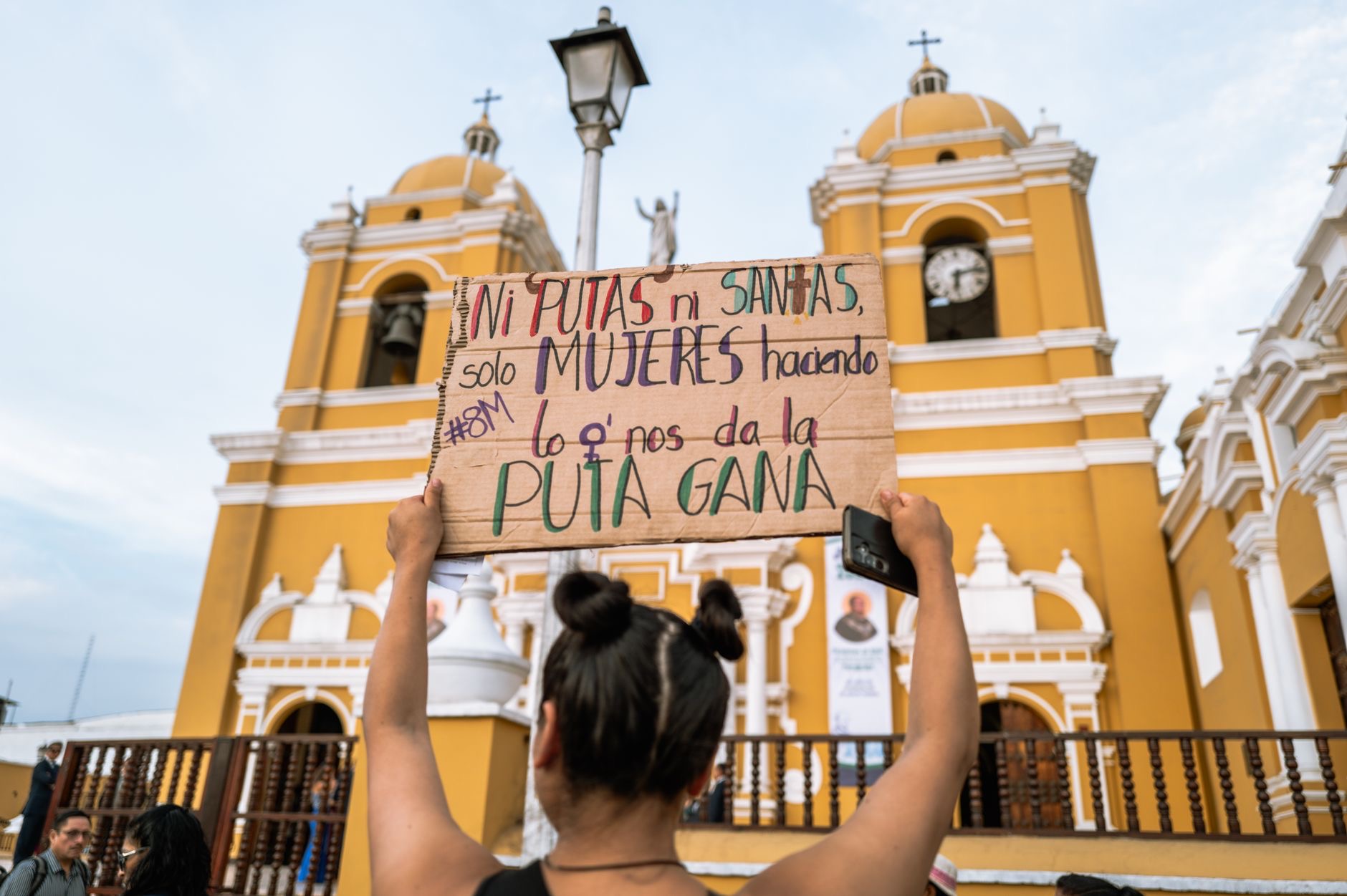
Local and regional media have documented continuing protests rather than a negotiated resolution. Montana Right Now reported this week that Montana AIM participants had joined demonstrations outside the church, while Cowboy State Daily reported the protection-order petitions and the scheduled hearing. Earlier reporting from WyoFile and Wyoming Public Media described the Northern Arapaho Business Council’s opposition to the ministry and the church’s refusal to leave, setting the stage for a potential legal fight over the limits of tribal authority and the protections afforded to religious activity.
For residents, the immediate concern is whether demonstrations, church services and legal proceedings can continue without further escalation. Allegations of threats have raised security concerns for church leaders, while protesters continue to insist that criticism of the ministry and its message is protected expression. Authorities and courts will have to distinguish between protected protest activity and any conduct that might legally qualify as harassment or a threat, while avoiding conclusions before evidence is considered through the appropriate process.
Taken together, the Bozeman sentencing and the Wind River confrontation underscore different dimensions of law enforcement and civic conflict in the region. Mitchell-Fuller’s case has produced a definitive federal criminal judgment following a guilty plea. The Wind River dispute remains unsettled, with factual allegations contested and larger questions over religious freedom, Indigenous sovereignty and private-property rights still unresolved. The next significant development is expected to come through the protection-order proceedings as the wider dispute continues outside the courthouse.




Leave a Reply