
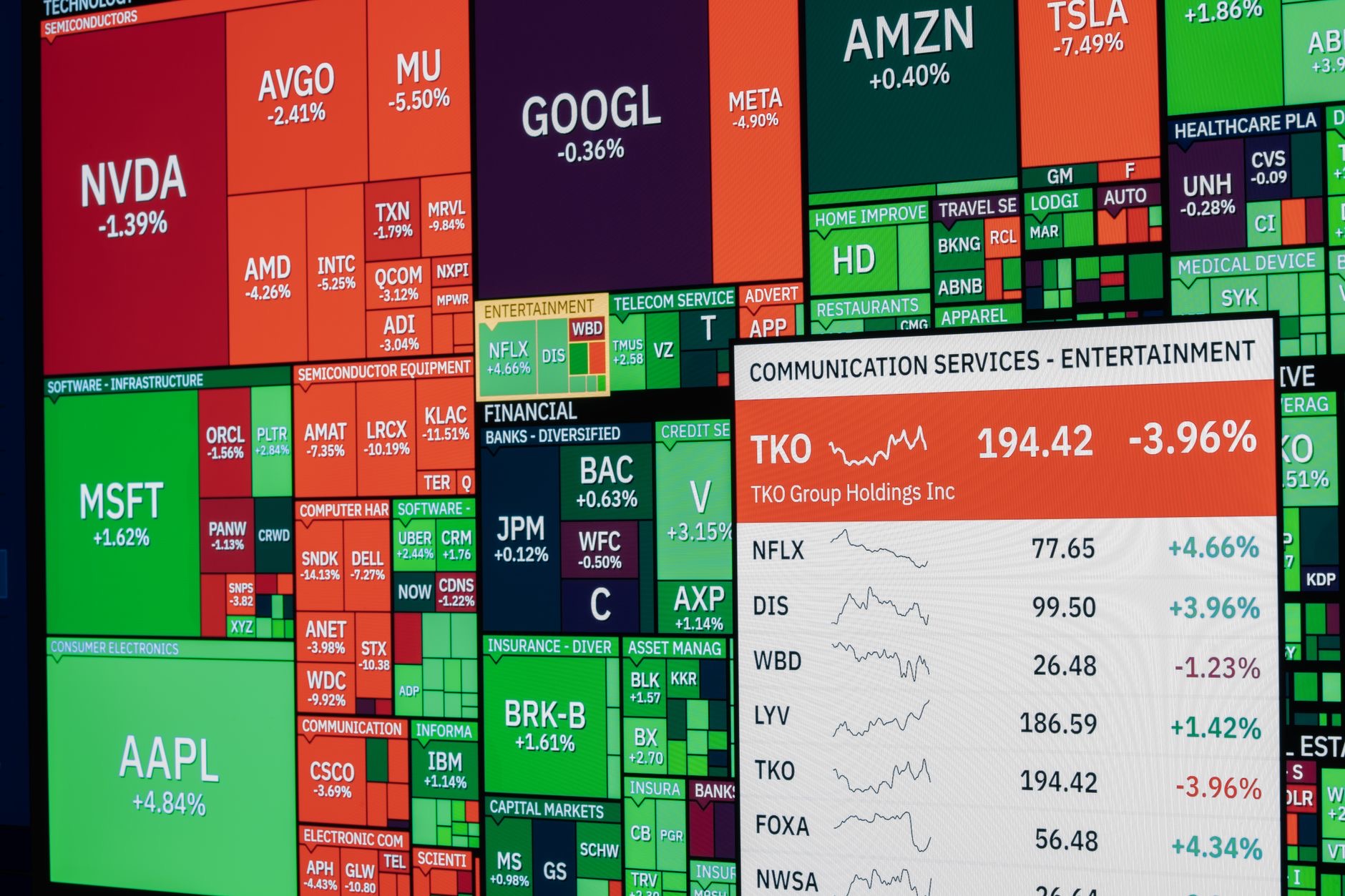
The S&P 500 entered September close to record territory but without a clear catalyst for another sustained breakout, as unusually strong corporate earnings collided with rising bond yields, higher energy prices and growing uncertainty over the U.S. interest-rate outlook. FXCM’s Sept. 1 AlphaTrack analysis characterized the SPX500 as consolidating beneath its recent all-time high, a pattern that remained relevant as Wall Street moved through the following session.
The technical picture reflects that balance. FXCM identified roughly 7,650 as an important near-term support area for the SPX500, with the 7,720-to-7,750 zone acting as a hurdle before another potential test of the recent high near 7,800. Momentum indicators had cooled from overbought conditions rather than collapsing, suggesting that the market was digesting previous gains instead of signaling an obvious trend reversal.
That resilience has a fundamental foundation. Corporate America delivered an exceptionally strong second-quarter reporting season. FactSet said 86% of S&P 500 companies reported earnings above analysts’ estimates. Its Aug. 28 analysis also showed that companies in the “Magnificent Seven” produced particularly large profit gains, while the broader index continued to post earnings surprises well above historical norms.
The strength of profits is important because valuation expansion is becoming harder to justify as bond yields rise. The 10-year Treasury yield approached 4.8% this week, reaching its highest area in more than a year. Higher government yields increase the discount rate investors apply to future corporate profits and provide a more competitive return alternative to stocks. They also flow directly into borrowing costs for mortgages, business loans, corporate debt and other forms of credit.
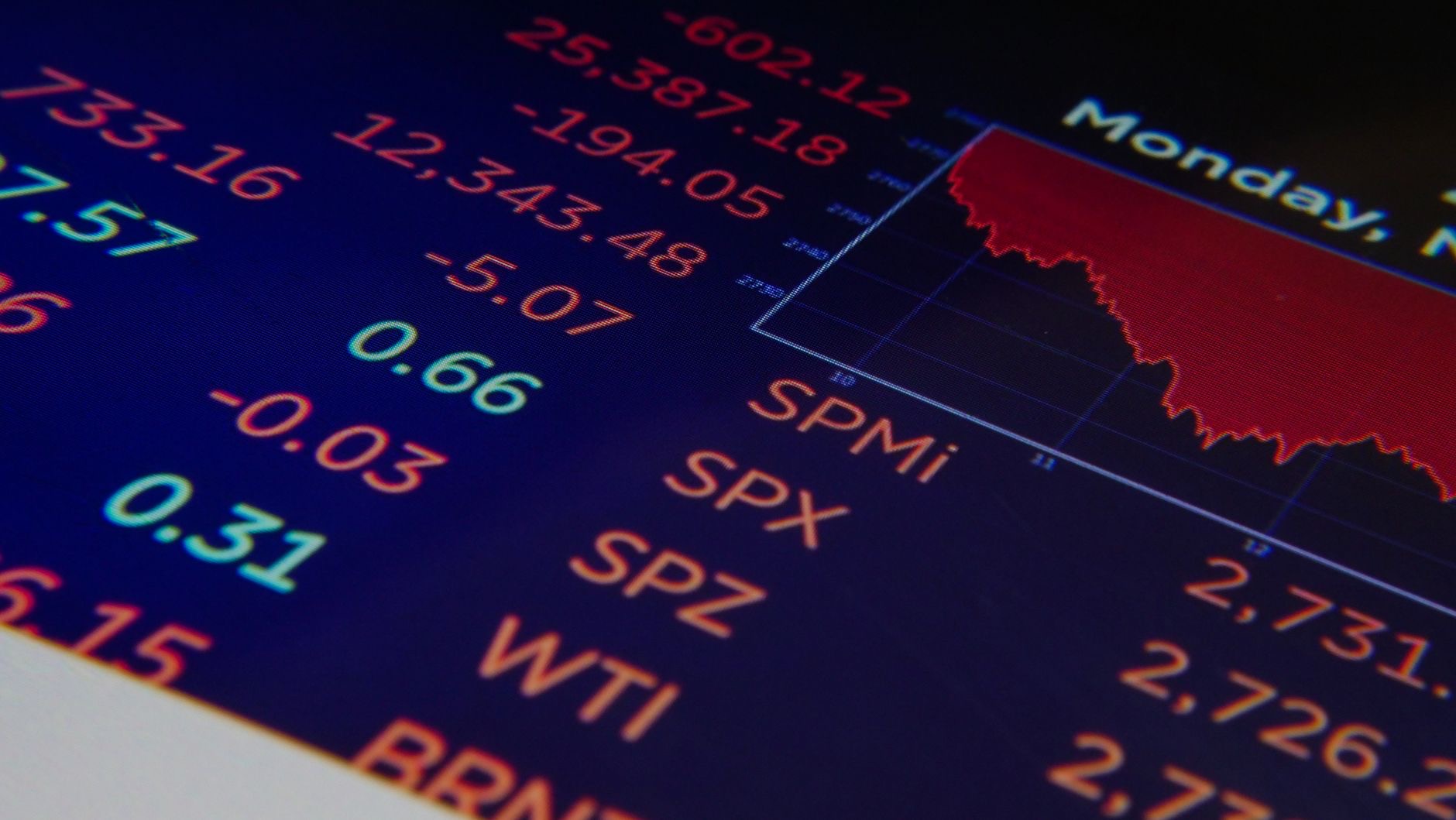
The pressure became particularly visible at the start of September. On Sept. 1, the S&P 500 fell 0.7% to 7,631.47, the Dow Jones Industrial Average lost 0.8% and the Nasdaq Composite declined 1%, according to market reports. The losses came as Treasury yields advanced and crude oil prices surged, extending a run of volatility tied to renewed U.S.-Iran hostilities and concerns about energy supplies.
Oil presents a second constraint on the equity rally. West Texas Intermediate moved above $90 a barrel while Brent crude traded in the mid-$90s during the latest escalation. Higher petroleum prices can bolster energy-sector earnings, but they also increase fuel, transportation and production costs across the economy. For the Federal Reserve, another energy shock risks complicating efforts to push inflation sustainably toward its 2% objective.

That is particularly relevant because investors have been reassessing the possibility of tighter monetary policy. Reuters reported Wednesday that market pricing had moved toward a greater probability of a September rate increase following more hawkish signals from Federal Reserve leadership. Rising yields reflect that repricing and help explain why investors have been reluctant to aggressively chase equities at record valuations despite strong earnings.
The labor market is adding another layer of uncertainty. ADP reported Sept. 2 that U.S. private-sector employers added just 38,000 jobs in August, the slowest pace of private job creation since January. Manufacturing lost 17,000 positions and professional and business services shed 16,000, while education and health services added 45,000. The report showed base pay rising 3.2% from a year earlier across private-sector workers.
The ADP figures followed the Bureau of Labor Statistics’ July Job Openings and Labor Turnover Survey, released Sept. 1. Job openings were little changed at 7.3 million, while hires and total separations were each 5.1 million. Quits were also little changed at 3.1 million. Together, the reports suggest a labor market that is no longer generating the kind of broad hiring momentum seen earlier in the expansion.
For equities, slower hiring creates an ambiguous signal. A cooling labor market could eventually reduce inflationary pressure and restrain wage growth, outcomes that would normally reduce the need for higher interest rates. But weaker employment also threatens household income growth and consumer spending, which remain critical to earnings across retail, financial services, travel and other consumer-sensitive industries. If energy costs remain high at the same time, businesses could face weaker demand alongside elevated input costs.
That leaves earnings as the market’s primary defense. The second-quarter profit results showed that major U.S. companies have so far absorbed tariff costs, higher financing expenses and uneven consumer conditions better than many investors expected. Strong profit growth also means the S&P 500’s valuation has not expanded as rapidly as its price alone would suggest, because projected earnings have risen alongside the index.
Still, the standard for new gains is becoming more demanding. When Treasury yields are low, investors can more easily justify paying higher multiples for companies expected to generate substantial profits years into the future. With the 10-year yield near 4.8%, the opportunity cost changes. Companies now need to deliver actual earnings growth, stronger cash generation or improved guidance to support further share-price appreciation.
The market’s recent behavior illustrates that shift. Investors have continued buying declines when corporate results reinforce the durability of AI infrastructure spending and other growth themes, but they have also become quicker to sell when earnings or forecasts fail to clear elevated expectations. That creates a market in which strong fundamentals can prevent a deeper correction without automatically producing another vertical rally.
September’s historically difficult seasonal pattern adds to the caution, though seasonality alone does not determine market direction. More consequential will be incoming employment and inflation data, the path of oil prices and the Federal Reserve’s September policy decision. Each could alter the balance between earnings support and macro resistance.
For now, the S&P 500 remains caught between two powerful forces. Corporate profits continue to validate much of the rally, while higher rates, geopolitical risk and signs of labor-market moderation argue against assuming that record highs will be easily extended. A decisive move out of the current range may ultimately require either another improvement in the earnings outlook or convincing evidence that inflation and borrowing-cost pressures are beginning to retreat.




Leave a Reply