
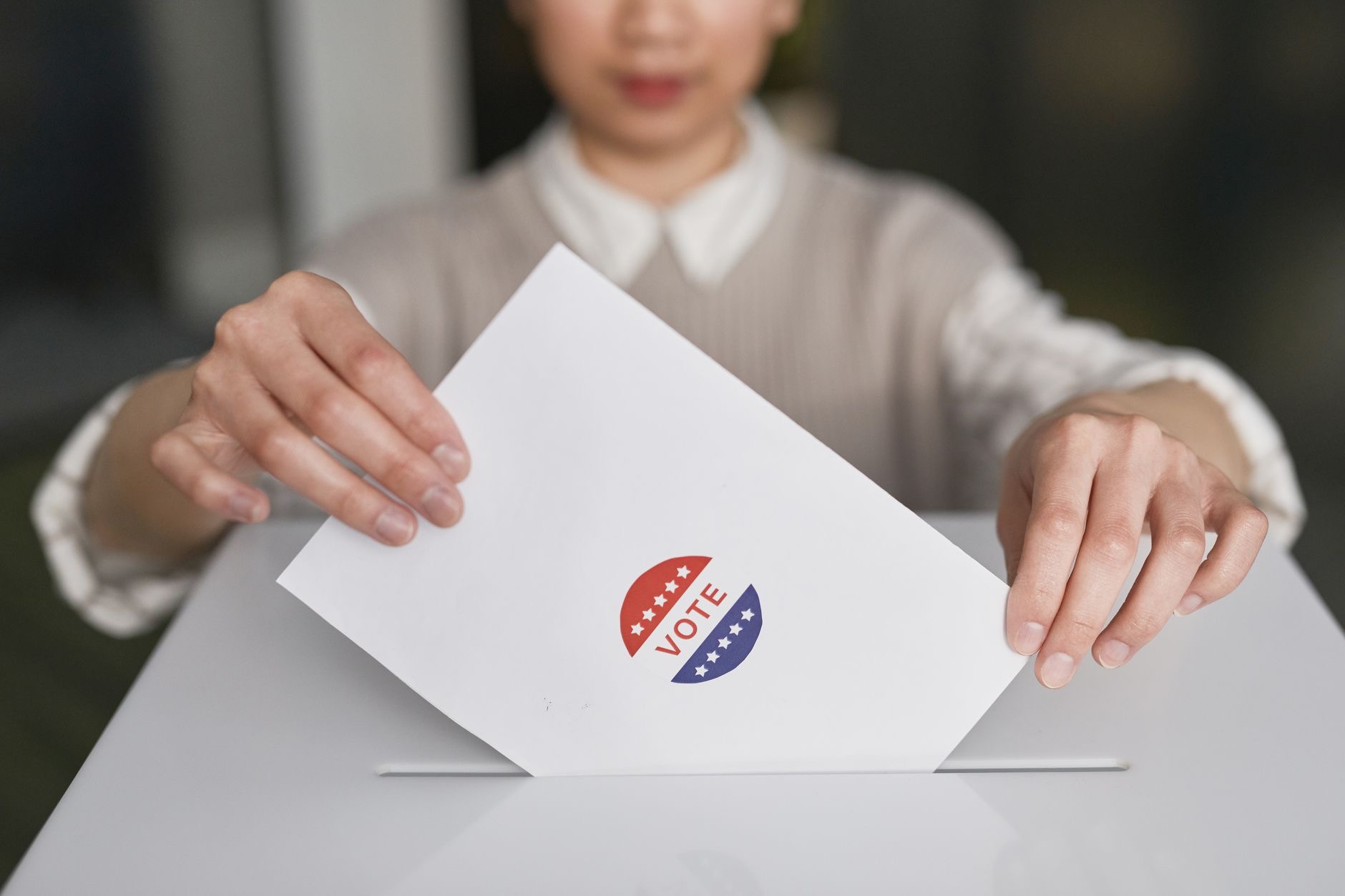
A federal judge has temporarily halted the U.S. Postal Service from carrying out key portions of a new mail-ballot rule backed by President Donald Trump, pausing the requirements as election officials prepare to send the first ballots for the November 2026 midterm elections. The Trump administration appealed the ruling on Friday, Aug. 28, ensuring that the dispute will continue on an accelerated schedule as voting deadlines approach.
U.S. District Judge Indira Talwani of the District of Massachusetts issued the temporary restraining order late Aug. 27. Her order stays implementation of certain sections of the Postal Service’s final rule, titled “Ballot Mail for Federal Elections,” for 14 days while the court considers requests for a preliminary injunction. A hearing is scheduled for Sept. 3.
The timing is central to the case. According to the Associated Press, the first mail ballots for the general election are scheduled to be sent beginning Sept. 4. Election administrators challenging the federal requirements argued that they have already designed, ordered and in some cases begun preparing ballot materials under existing state procedures, leaving little time to rebuild systems around a newly finalized federal framework.
Talwani said the states had demonstrated a significant risk of irreparable harm because compliance with the rule could be practically impossible before the midterms. She pointed to the need for election offices to revise ballot materials, obtain Postal Service review, update administrative processes, train personnel and begin using a new federal electronic portal, all while complying with state election deadlines.
The rule was published in the Federal Register on Aug. 26 and was listed as effective Aug. 21. It changes Postal Service standards for mail-in and absentee ballots used in federal elections. Among other provisions, outbound and return federal ballot-mail envelopes would have to carry the official Election Mail logo, satisfy automation-compatible design standards and include unique Intelligent Mail barcodes. Election officials or authorized vendors also would be required to submit envelope designs to USPS for mailpiece design review and feedback.
The rule also establishes a Federal Ballot Mail Portal. Before presenting outbound federal ballot mail for acceptance, authorized users would have to submit information including the voter’s name and mailing address as shown on the envelope, the issuing state and the Intelligent Mail barcodes associated with the outbound and return envelopes. USPS says the system is intended to verify that required mailing information has been entered before ballot mail is accepted into the network.

The Postal Service has emphasized that the rule does not give it authority to decide who is eligible to vote. In the final regulation, USPS said it would not verify individual names, addresses, voter eligibility or citizenship against state voter rolls. State and local election officials would continue to decide who may receive a mail ballot and whether a returned ballot is eligible to be counted. The agency characterizes the changes as mail-processing and preparation standards rather than federal regulation of voter qualifications.
The challengers dispute that distinction. Democratic-led states and voting-rights organizations argue that conditioning states’ use of the federal mail system on new requirements effectively gives the executive branch power over the administration of elections that the Constitution assigns primarily to states, subject to authority Congress may exercise over federal elections. They also contend Congress has not granted USPS power to establish substantive election rules.
Talwani said the challengers were likely to succeed on claims that USPS lacked authority to issue the challenged requirements and that the rule raised constitutional problems by imposing those requirements on state election systems. Her order does not finally resolve those claims. Temporary restraining orders are designed to preserve conditions while courts conduct a fuller review, and the government will have additional opportunities to defend the regulation.
The decision follows an unusually rapid series of legal reversals. Trump issued Executive Order 14399 on March 31, directing federal agencies and USPS to take steps related to citizenship verification and the handling of mail ballots. Lawsuits followed before USPS completed its regulations. Talwani previously blocked implementation for the 2026 election, but the Supreme Court intervened on Aug. 24 and concluded that the earlier challenge had been considered before a final Postal Service rule existed.
The Supreme Court’s action did not decide whether Trump’s executive order or the eventual USPS rule was constitutional. Instead, it focused on whether the earlier litigation was ready for judicial review at that stage. Once USPS published its final regulation, states and voting-rights groups renewed their challenges, allowing Talwani to evaluate a concrete agency action rather than a proposed policy.

The administration’s Aug. 28 notice of appeal puts the immediate dispute before the 1st U.S. Circuit Court of Appeals. The White House has described the administration’s approach as “commonsense measures” intended to protect election security and has criticized the latest judicial block as unlawful. The litigation could move again to the Supreme Court if either side seeks emergency relief as election deadlines draw closer.
For voters, the immediate effect is that existing mail-voting procedures remain in place while the temporary order is effective. The League of Women Voters, one of the organizations challenging the administration, said after the ruling that voters’ current ability to vote had not changed. Election officials, however, remain under significant uncertainty because the legal status of the Postal Service regulation could change again before ballots are widely distributed.
Mail voting represents a substantial share of U.S. election participation. The Associated Press reports that nearly one-third of Americans vote by mail, although rules vary widely among states. Some states automatically send ballots to registered voters, while others require voters to request absentee ballots or meet specific eligibility conditions. Those differences make nationwide changes to postal handling especially consequential when imposed close to an election.
The Sept. 3 hearing is therefore likely to determine whether the current pause extends deeper into the election calendar. Talwani could replace the temporary restraining order with a preliminary injunction, modify the restrictions or allow parts of the rule to proceed. At the same time, the appeals court could intervene. With ballot mailing beginning immediately afterward in some jurisdictions, the case has become one of the most time-sensitive federal election disputes ahead of the 2026 midterms.




Leave a Reply