
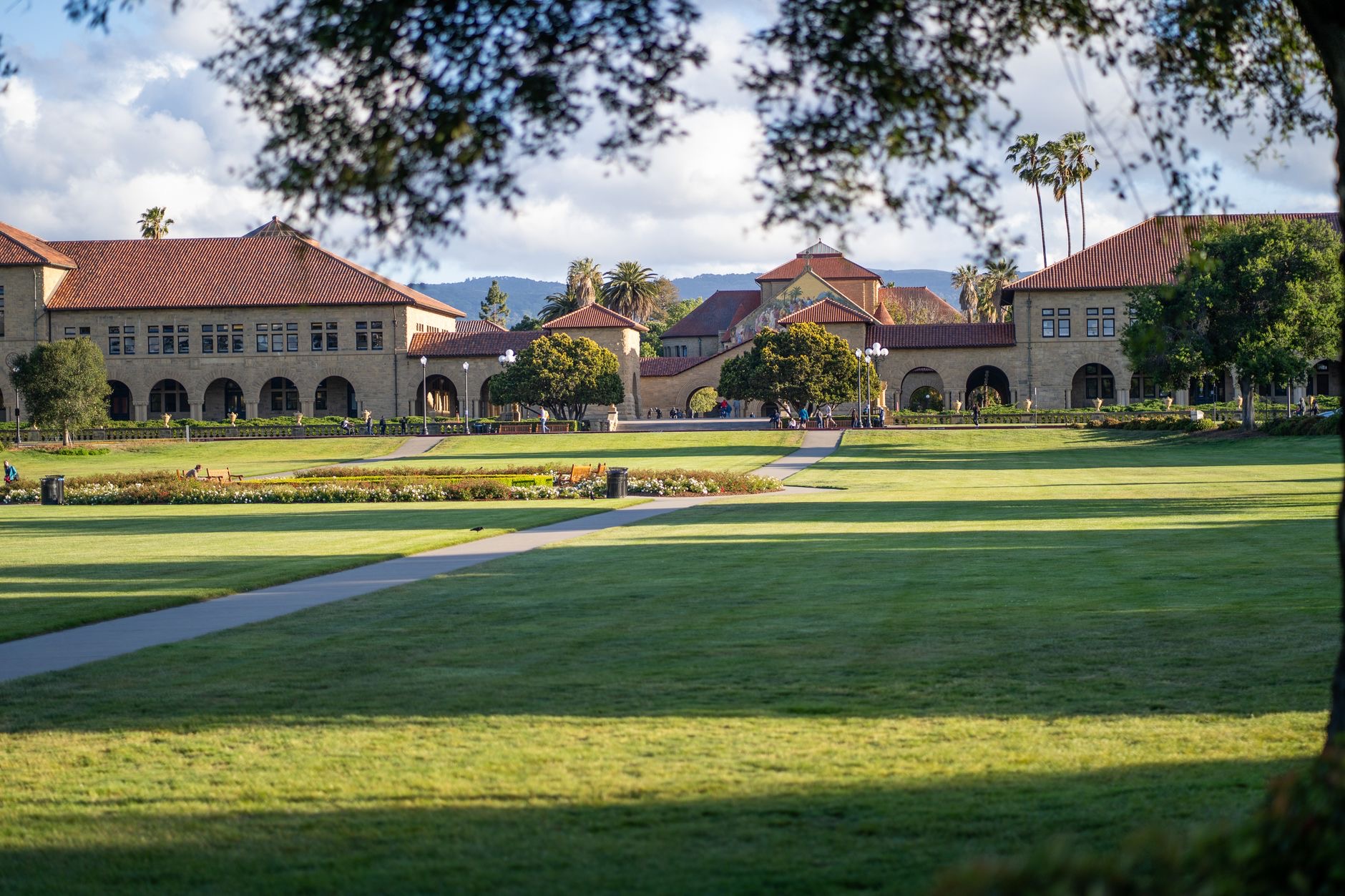
U.S. policymakers, universities, and employers are continuing to examine how international students fit into the nation’s long-term talent strategy as higher education institutions rely on global enrollment to support research, graduate programs, and workforce development.
International students have historically been an important part of American colleges and universities, particularly in graduate-level programs connected to science, engineering, computer science, mathematics, and other research-intensive fields. Many students arrive through the F-1 student visa system, completing degrees before pursuing opportunities through programs such as Optional Practical Training, which allows eligible graduates to gain temporary work experience related to their fields of study.
The debate over international students has increasingly moved beyond campus enrollment numbers and into broader economic policy discussions. Supporters argue that attracting highly skilled students strengthens U.S. innovation by bringing researchers, entrepreneurs, and future industry leaders into the country’s academic and business ecosystems.
Universities have also highlighted the role of international students in maintaining research activity. Graduate students frequently contribute to laboratory projects, academic publications, and federally supported research initiatives. In fields where the United States competes globally for scientific leadership, higher education leaders have argued that access to international talent remains an important advantage.
At the same time, policymakers have raised questions about how student visa programs are managed and how international education pathways connect to employment after graduation. Concerns have included compliance oversight, security reviews for certain academic fields, and the balance between welcoming talent and protecting national interests.
The policy environment has created uncertainty for some institutions that depend on international enrollment. Colleges often plan recruitment strategies years in advance, and shifts in visa rules, processing timelines, or public perceptions can influence whether prospective students choose the United States over competing destinations such as Canada, the United Kingdom, or Australia.

International student enrollment also has financial implications for higher education. Many international students pay tuition without receiving the same level of financial aid available to domestic students, making them an important revenue source for some universities. Institutions have used that revenue to support academic programs, research infrastructure, and campus services.
However, university leaders have increasingly emphasized that the value of international students extends beyond tuition payments. Research collaboration, cultural exchange, and connections between U.S. campuses and global institutions are frequently cited as broader benefits.
The technology sector has been one of the industries most closely connected to the international student pipeline. Major U.S. technology companies have historically recruited graduates from American universities, particularly in artificial intelligence, software engineering, semiconductor research, and advanced computing fields. Industry groups have argued that maintaining access to global expertise is essential as countries compete for leadership in emerging technologies.
Federal agencies have continued to oversee programs designed to support legitimate academic mobility while enforcing immigration requirements. The U.S. Department of Homeland Security’s Student and Exchange Visitor Program manages oversight of schools and students participating in the international education system.
According to the National Center for Education Statistics, colleges and universities serve students from around the world across undergraduate, graduate, and professional programs. The Institute of International Education has also tracked the importance of international enrollment to U.S. campuses through its annual Open Doors reporting, which examines international student trends and economic contributions.

For universities, the challenge is balancing recruitment goals with changing policy expectations. Some institutions have expanded international recruitment strategies in regions with growing demand for U.S. education, while others have focused on improving support services related to immigration compliance, academic advising, and career preparation.
Students considering U.S. study options are also paying closer attention to post-graduation opportunities. Beyond academic quality, many prospective students evaluate visa pathways, employment prospects, and the overall stability of immigration policies when selecting a destination.
The future of the international student pipeline is likely to remain a policy issue involving education, economic competitiveness, and workforce planning. Supporters of expanded international education argue that global students help strengthen American research and innovation. Critics and policymakers seeking tighter controls continue to focus on oversight and security considerations.
The outcome of these debates could shape how universities recruit students, how companies access skilled workers, and how the United States competes for global talent in the coming decade.




Leave a Reply