
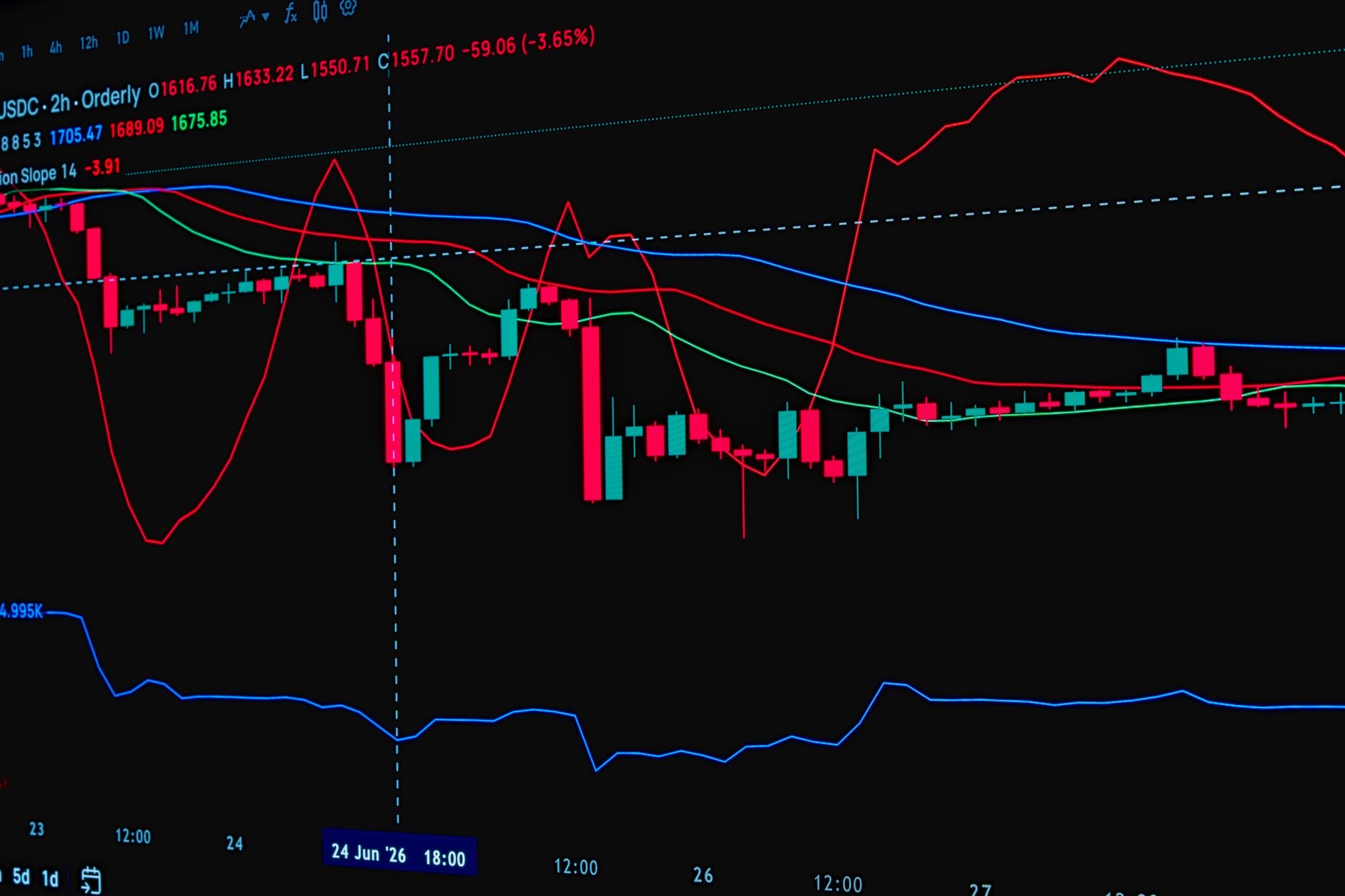
Asian equities moved in different directions Thursday after U.S. stocks ended lower, with investors weighing fresh economic information and its potential impact on the Federal Reserve’s interest-rate decisions. The mixed performance reflected a cautious market environment in which investors balanced hopes for continued economic resilience against concerns about slowing growth and elevated borrowing costs.
The retreat on Wall Street carried into Asian trading sentiment, although regional markets responded differently depending on local economic conditions, currency movements, and sector exposure. Export-oriented economies remained particularly sensitive to changes in the U.S. outlook because American consumer demand remains an important driver of global trade.
Investors have increasingly focused on economic indicators as they attempt to determine whether the U.S. economy is moving toward a stable expansion or facing additional pressure from restrictive monetary policy. Updates on inflation, labor conditions, and consumer activity have become key market drivers because they influence expectations for when and how the Federal Reserve may adjust interest rates.
For U.S. businesses, the market reaction highlights the importance of global financial conditions. Higher-for-longer interest-rate expectations can affect corporate borrowing costs, mergers and acquisitions activity, and investment decisions. At the same time, stronger economic data can support company revenues by signaling continued consumer and business spending.
Technology companies remain among the sectors most closely watched by global investors. Many large U.S. technology firms rely on Asian supply chains, manufacturing partners, and consumer markets, making regional equity movements an important indicator of broader confidence in technology demand. Semiconductor companies, in particular, remain sensitive to changes in expectations around artificial intelligence investment, electronics demand, and global capital spending.

Asian markets also reflected differences in regional economic conditions. Some investors looked for opportunities in markets where valuations appeared attractive after recent volatility, while others remained cautious because uncertainty around U.S. policy and economic data continued to influence risk appetite.
The U.S. dollar and currency markets were another focus for investors. Changes in expectations for U.S. interest rates can affect exchange rates across Asia, influencing import costs, export competitiveness, and corporate earnings for multinational companies. A stronger dollar can create challenges for companies with significant foreign revenue, while currency shifts can alter investment flows across global markets.
Market participants are also watching corporate earnings trends as companies provide additional signals about consumer behavior and business investment. Recent earnings reports have shown that companies are navigating a complex environment shaped by inflation pressures, changing demand patterns, and adjustments in supply chains.
Wall Street’s decline following economic updates underscored that investors remain highly responsive to incoming data. Even relatively modest changes in economic expectations can create significant market movements as investors reposition portfolios across stocks, bonds, and other asset classes.

Analysts say the next phase of market direction will likely depend on whether economic data continues to support a gradual slowdown without a sharp deterioration in employment or consumer spending. A stable economic path could help sustain equity valuations, while signs of renewed inflation pressure or weakening demand could increase volatility.
For U.S. companies operating internationally, the mixed Asian market performance serves as another reminder that business conditions are increasingly shaped by global developments. Supply chains, consumer demand, financing costs, and currency movements are closely interconnected, meaning shifts in one major economy can quickly influence decisions around the world.
Investors will continue monitoring economic releases, central bank communications, and corporate guidance for further clues about the direction of markets. The balance between growth and inflation remains the central question for financial markets as businesses plan investment strategies and consumers respond to changing economic conditions.
While Asian stocks did not move uniformly after Wall Street’s retreat, the reaction showed that investors remain focused on the same core issues affecting U.S. markets: economic momentum, inflation trends, and the future path of interest rates. The coming weeks of data and corporate updates will help determine whether recent volatility represents a temporary adjustment or a broader shift in market expectations.




Leave a Reply