
U.S. equities finished lower Tuesday as investors reduced exposure to technology stocks and considered the potential market impact of developments involving Iran. The S&P 500 and Nasdaq Composite declined, with technology companies among the biggest sources of pressure on the major indexes.
The move came as investors balanced two competing forces: continued enthusiasm around technology-driven growth and renewed caution over geopolitical uncertainty. Technology shares have played a major role in supporting U.S. equity gains in recent years, particularly companies tied to artificial intelligence, semiconductors, cloud computing, and digital infrastructure. When investors become more concerned about valuations or broader risks, these high-growth sectors often experience sharper moves.
Market participants were also monitoring Iran-related developments for possible effects on global markets. Concerns involving the Middle East can influence investor sentiment through energy prices, shipping routes, inflation expectations, and expectations for corporate costs. While financial markets have historically adjusted to geopolitical events over time, uncertainty can create short-term volatility as investors reassess risk.
The technology sector’s decline reflected broader questions about whether recent gains in large technology companies can continue at the same pace. Investors have increasingly focused on whether artificial intelligence investments will translate into sustainable revenue growth and productivity improvements. Companies across the technology industry have committed significant resources to artificial intelligence infrastructure, including advanced chips, data centers, and software platforms.
Higher expectations around technology companies have also increased sensitivity to earnings results and forward guidance. Investors have been watching corporate comments on demand trends, capital spending, and customer adoption rates as they evaluate whether current valuations are supported by long-term fundamentals.
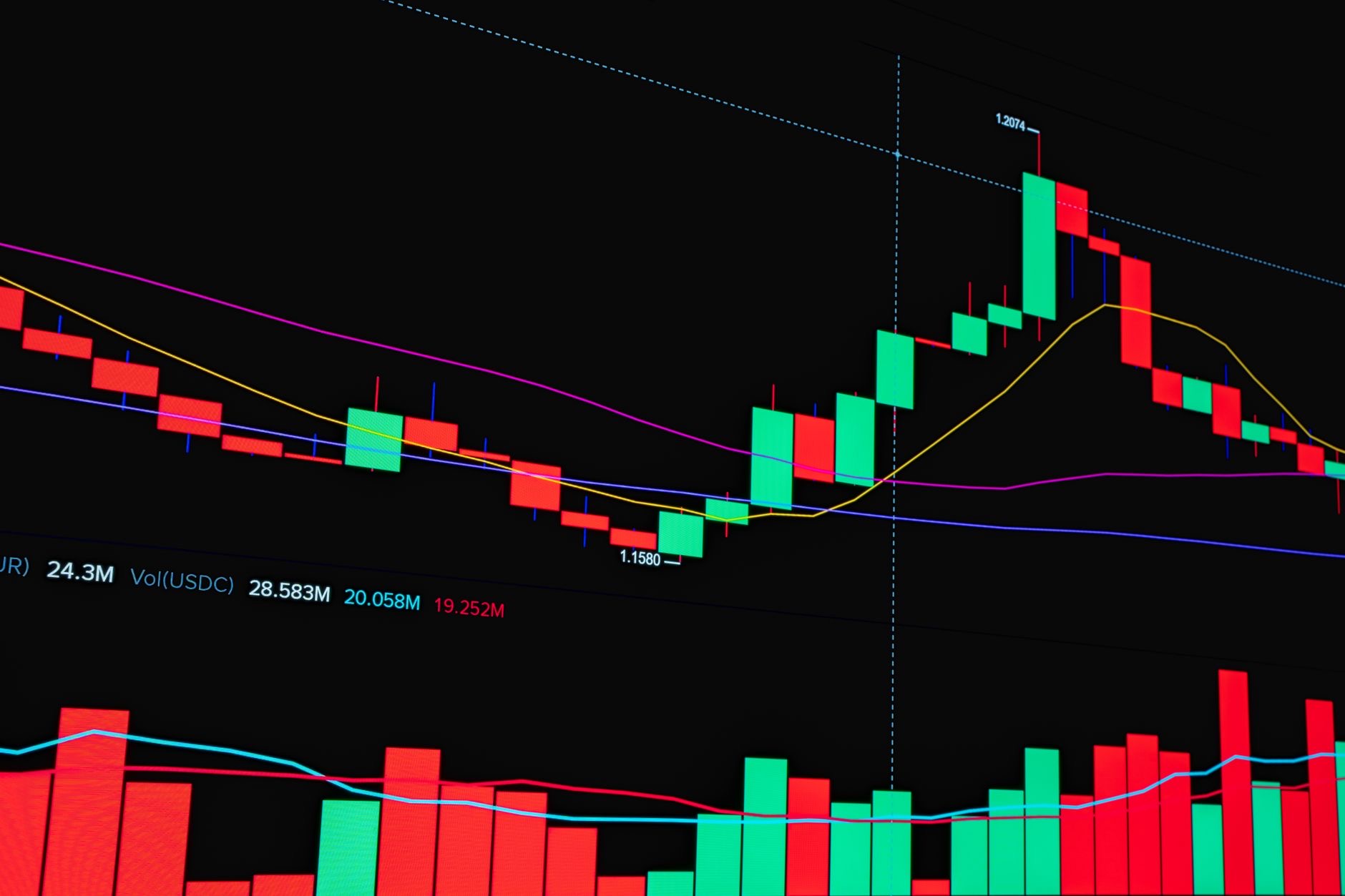
 Traders monitor market movements as U.S. stock indexes decline amid technology sector pressure and geopolitical uncertainty.
” loading=”lazy” style=”display:block;width:100%;max-width:980px;height:auto;max-height:560px;object-fit:cover;margin:0 auto;” />
Beyond technology stocks, the broader market remained focused on economic conditions and monetary policy. Investors continue to assess inflation trends, labor-market conditions, and signals from the Federal Reserve as they attempt to estimate the future path of interest rates. Changes in rate expectations can significantly affect the relative appeal of growth stocks because future earnings are often valued more heavily when borrowing costs and discount rates shift.
The latest market move followed a period in which major U.S. indexes had benefited from strong investor interest in artificial intelligence and large-cap technology companies. However, analysts have warned that concentrated market leadership can increase vulnerability if sentiment changes or if investors seek opportunities in other areas of the economy.
Energy markets remained an area of attention as investors considered whether geopolitical developments could affect supply expectations. Changes in energy prices can influence inflation forecasts and corporate expenses, particularly for transportation, manufacturing, and consumer-facing industries.
Investors also continued to evaluate the strength of the U.S. consumer and corporate sector. Retail spending, business investment, and company earnings remain important indicators of whether economic growth can continue despite uncertainty in global markets.
The decline in technology stocks did not necessarily indicate a broad shift away from equities, but it reflected a more cautious approach among investors after strong market performance. Market participants often reassess portfolio allocations when risks increase, particularly when valuations in certain sectors have become elevated.
 Traders monitor market movements as U.S. stock indexes decline amid technology sector pressure and geopolitical uncertainty.
” loading=”lazy” style=”display:block;width:100%;max-width:980px;height:auto;max-height:560px;object-fit:cover;margin:0 auto;” />
Analysts said future market direction will likely depend on a combination of factors, including geopolitical developments, inflation data, interest-rate expectations, and upcoming corporate results. Technology companies will remain a central focus because of their influence on major indexes and their role in shaping expectations for future economic growth.
For investors, the session reinforced the importance of monitoring both company-specific fundamentals and broader market risks. While technology innovation remains a major investment theme, market participants are increasingly examining whether growth expectations match actual business performance.
The U.S. stock market’s reaction to Iran-related uncertainty also demonstrated the continuing connection between international events and domestic financial markets. Even companies with limited direct exposure to geopolitical regions can be affected through changes in investor confidence, supply chains, commodity markets, and economic forecasts.
As trading continues, investors are expected to focus on new economic information and corporate updates that may provide clearer signals about market conditions. Technology sector performance, energy price movements, and policy expectations are likely to remain key factors influencing Wall Street sentiment.




Leave a Reply