
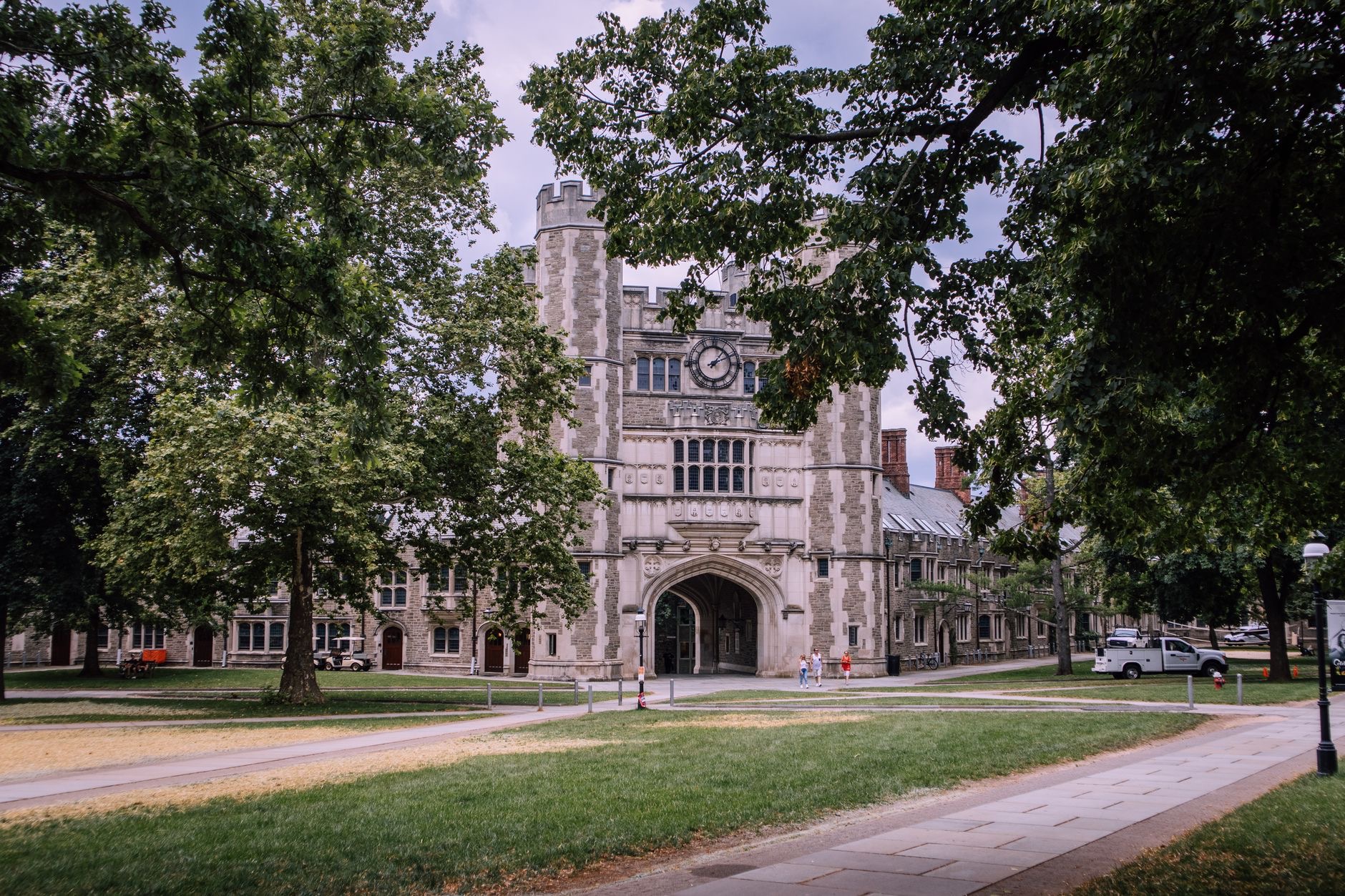
Princeton University is continuing to back Harvard University in its lawsuit against the federal government, reinforcing a growing response from major U.S. universities over the administration of federal higher education policy. Princeton’s support places the Ivy League institution alongside Harvard in a legal dispute centered on the government’s authority and the role of federal oversight in university operations.
The lawsuit has attracted national attention because Harvard is among the most prominent research universities in the United States, and actions involving federal funding, regulatory requirements, or institutional policies can have implications beyond a single campus. Princeton’s continued involvement reflects concerns among some higher education leaders that federal measures affecting one institution may establish precedents for colleges and universities nationwide.
The dispute comes during a period of heightened tension between the federal government and universities. Colleges have faced increased scrutiny over a range of issues, including campus governance, academic policies, research activities, and the conditions connected to federal support. Universities rely heavily on federal partnerships through research grants, student aid programs, and other forms of engagement, making government-university relations a significant issue for higher education leaders.
Princeton has argued that the legal questions raised by Harvard’s case extend beyond one institution. The university’s support reflects a broader concern among some academic institutions that federal actions must remain within established legal boundaries and respect principles of university independence.
Harvard’s lawsuit challenges federal actions that the university argues threaten its ability to operate independently. The university has maintained that government intervention must follow appropriate legal processes and cannot improperly influence academic decision-making. Federal officials, meanwhile, have defended their authority to enforce laws and conditions connected to federal programs.
 Princeton University representatives and higher education leaders discuss issues surrounding a federal legal dispute involving Harvard University.
” loading=”lazy” style=”display:block;width:100%;max-width:980px;height:auto;max-height:560px;object-fit:cover;margin:0 auto;” />
The disagreement highlights a longstanding debate in American higher education: how to balance public accountability with institutional autonomy. Universities receive significant public support through federal research funding, financial aid systems, and other programs, but many institutions argue that government involvement must be carefully limited to preserve academic freedom and independent governance.
Princeton’s continued support places additional attention on the case among higher education observers. Ivy League universities often operate as major research institutions with extensive federal relationships, meaning policy changes affecting one school can create uncertainty for others. The legal outcome could influence how universities interpret federal requirements and respond to future disputes.
The case also comes as colleges nationwide navigate changing expectations from policymakers and the public. Universities have faced pressure to demonstrate transparency, address concerns about campus policies, and respond to demands from elected officials. At the same time, academic leaders have emphasized the importance of maintaining independent decision-making in teaching, research, and institutional management.
Legal experts following the dispute have focused on questions involving administrative authority, federal oversight powers, and the relationship between government agencies and private universities. Court decisions in cases involving higher education institutions can shape how federal agencies design and enforce future policies.
 Princeton University representatives and higher education leaders discuss issues surrounding a federal legal dispute involving Harvard University.
” loading=”lazy” style=”display:block;width:100%;max-width:980px;height:auto;max-height:560px;object-fit:cover;margin:0 auto;” />
For students, faculty members, and researchers, the dispute carries potential consequences because federal policies can influence university resources, research opportunities, and academic programs. Major research universities depend on stable relationships with federal agencies, particularly in fields such as science, medicine, engineering, and technology.
Princeton’s position also reflects a broader pattern in which universities increasingly coordinate responses to federal actions affecting higher education. While individual institutions may have different priorities and policies, legal challenges involving major universities can become industry-wide issues because of their potential impact on academic institutions across the country.
The outcome of Harvard’s lawsuit remains closely watched by universities, government officials, and higher education organizations. If courts limit federal actions, universities could gain greater protection against certain forms of government intervention. If the government’s position is upheld, federal agencies may retain broader authority over institutions receiving federal support.
Regardless of the final legal outcome, the dispute has already intensified discussions about the future of higher education governance in the United States. Princeton’s continued backing of Harvard demonstrates that the case is being viewed not only as a conflict between one university and the federal government, but also as part of a larger debate over the role of universities in American society.
- Princeton University continues to support Harvard in legal challenge against federal government | Princeton University News | 2026-08-24
- Harvard University lawsuit against federal government | Harvard University | 2026-08-24




Leave a Reply