
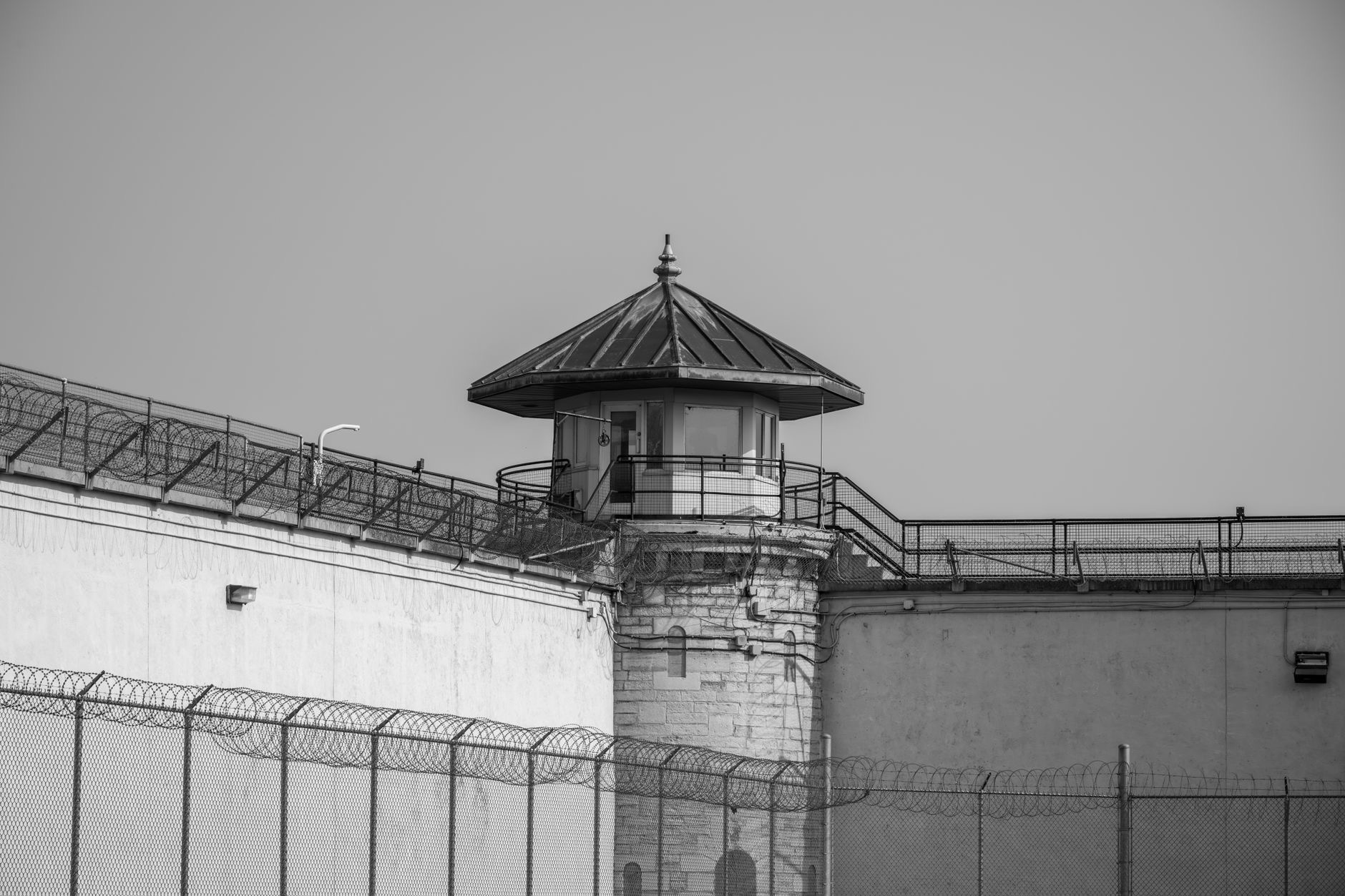
A federal judge has partially blocked enforcement of a Colorado law that sought to expand state oversight of the GEO Group-operated immigration detention facility in Aurora, limiting the state’s ability to conduct certain unannounced inspections while litigation continues.
The ruling centers on a Colorado measure designed to increase transparency and monitoring of detention facilities within the state. The law included provisions allowing state officials to inspect facilities without advance notice, a move supporters said was necessary to ensure accountability and protect detainees. Opponents argued that the requirements could interfere with federal immigration enforcement operations and the authority of private contractors working under federal agreements.
The Aurora facility, formally known as the Denver Contract Detention Facility, is operated by GEO Group, a private company that provides detention and correctional services under contracts with government agencies. The facility houses individuals detained by federal immigration authorities, making it part of a nationwide network of facilities used by U.S. Immigration and Customs Enforcement (ICE).
Immigration detention facilities have faced continued scrutiny from advocacy organizations, lawmakers, and government oversight bodies over issues including medical care, living conditions, access to legal services, and operational transparency. Colorado officials supporting the inspection law argued that state-level monitoring is necessary because facilities operate within the state and affect local communities.
The legal challenge raised questions about the balance between state regulatory authority and the federal government’s constitutional responsibility for immigration enforcement. Federal courts have repeatedly considered similar disputes involving state attempts to regulate immigration-related activities, particularly when state rules affect federal programs or contractors.
In blocking parts of the Colorado law, the judge did not invalidate the entire measure. Instead, the ruling narrowed the scope of enforcement while allowing other elements of the state’s oversight framework to remain in place. The decision leaves unresolved broader questions about how much authority states have to impose additional requirements on federally connected detention operations.

GEO Group and other private detention contractors have argued that immigration detention facilities must operate under federal standards and contractual requirements established by federal agencies. The company has faced criticism from immigration advocates in multiple states, while it has maintained that its facilities are subject to government inspections and established compliance procedures.
Colorado officials have argued that additional state oversight is compatible with federal responsibilities and that local authorities have a legitimate interest in ensuring conditions at facilities located within state borders. Supporters of the law say unannounced inspections are an important tool because advance notice can limit the ability of inspectors to observe normal operations.
The dispute comes as immigration detention remains a major policy issue nationwide. Federal detention capacity, private prison contracting, and enforcement priorities have been debated by lawmakers at both the federal and state levels. Changes in immigration policy have increased attention on how detainees are held, monitored, and provided access to services.
The Aurora facility has previously drawn public attention from community groups and elected officials who have called for greater transparency. Federal agencies and contractors have responded that facilities must comply with federal detention standards, including requirements related to safety, security, and detainee treatment.
The court’s decision may serve as a reference point for other states considering similar oversight laws. Several states have explored ways to increase monitoring of privately operated detention facilities, particularly as immigration enforcement policies continue to evolve.

Legal experts following the case are expected to watch whether the dispute advances to additional federal court proceedings that could clarify the limits of state authority over facilities connected to federal immigration programs. The outcome could affect future attempts by states to impose inspection, reporting, or licensing requirements on federally contracted operators.
For communities near immigration detention facilities, the case reflects broader questions about government accountability and public access to information. Supporters of stronger oversight argue that state involvement provides an additional layer of protection, while critics warn that overlapping requirements could create operational conflicts.
The Colorado law’s future will depend on further legal review and potential appeals. Until additional rulings are issued, the federal court’s partial block will shape how state officials can oversee the Aurora facility and how similar oversight efforts may proceed elsewhere.
- The ruling affects Colorado’s authority to conduct certain unannounced inspections at the Aurora GEO Group facility.
- The case involves broader questions about federal immigration authority and state regulatory powers.
- The decision does not eliminate all state oversight provisions connected to the facility.
Federal immigration detention oversight remains an active policy debate, with courts increasingly being asked to determine where state interests end and federal responsibilities begin.




Leave a Reply