
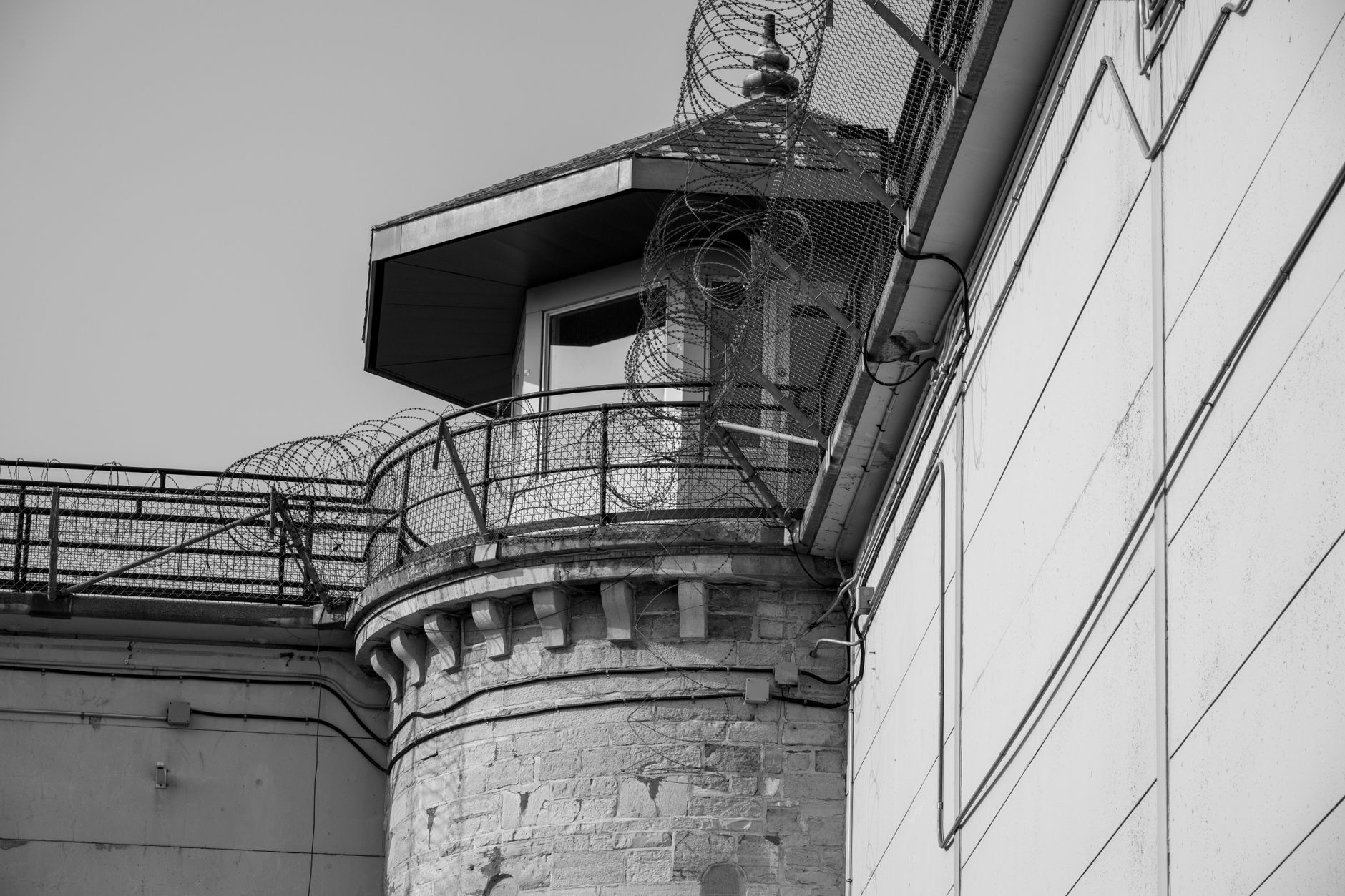
Camp 57, the immigration detention compound that Louisiana Gov. Jeff Landry established inside the Louisiana State Penitentiary at Angola, is nearing one year in operation with continued federal support, a sustained detainee population and unresolved questions about its cost and oversight.
The facility opened on Sept. 3, 2025, after the state refurbished Camp J, a long-shuttered section of the prison once used to isolate people considered disciplinary or security risks. Federal officials branded the compound “Louisiana Lockup,” while Louisiana named it Camp 57 in recognition of Landry’s position as the state’s 57th governor.
The Department of Homeland Security initially announced that the center would add as many as 416 beds to ICE’s detention system. Fifty-one men were being held there when officials unveiled the site. Publicly cited detention data later showed an average population of about 180 through early April 2026, indicating that the compound had become an established holding facility even while remaining below its stated capacity.
A fresh review published Sunday by NOLA.com reported that the center is approaching its anniversary flush with federal funding and showing little indication that its population is disappearing. Its durability distinguishes Camp 57 from a temporary processing location: Louisiana has incorporated the operation into its budget structure, ICE maintains a public facility page for it, and a private corrections company continues to manage day-to-day services.
The price has drawn particular attention. A contract obtained earlier by Axios New Orleans showed Louisiana paying LaSalle Corrections a flat $949,000 monthly fee, with the federal government reimbursing the state. The base payment was calculated around 208 detainees at $150 per person per day. Under the reported terms, each detainee above that baseline would add $125 per day.
That contract produces an annual base cost of roughly $11.4 million. But a Louisiana Legislative Fiscal Office analysis of Landry’s proposed budget identified much larger amounts associated with Camp 57: approximately $34 million for the fiscal year in which the center opened and $46 million for the following year. The money was described as federal funding routed through Louisiana agencies rather than state-generated revenue.
The earlier-year total included a $10 million mobilization fee, about $22.5 million for housing and smaller expenditures. The proposed $46 million for the subsequent fiscal year was largely designated for housing. The gap between those budget figures and the disclosed operating contract has fueled demands for a clearer accounting of construction, staffing, maintenance, medical care, transportation and other costs connected to the facility.

The governmental structure is unusually layered. Louisiana’s Governor’s Office of Homeland Security and Emergency Preparedness has an agreement with the federal government and contracts with LaSalle Corrections, a private company that operates several immigration detention and correctional facilities in the region. The state Department of Public Safety and Corrections controls the Angola grounds. That chain can make it difficult for the public to determine which entity bears responsibility for specific services or failures.
DHS and Louisiana officials have defended the center as a public-safety measure. When it opened, they said it would principally receive men with serious criminal records who were subject to immigration enforcement. Homeland Security Secretary Kristi Noem also said Angola’s severe reputation was deliberately intended to send a deterrent message encouraging people without lawful status to leave the United States.
Those claims have been central to the facility’s political presentation. Angola is an 18,000-acre maximum-security prison surrounded by isolated rural terrain. At the opening, Landry highlighted the surrounding wildlife and landscape as natural barriers to escape. Officials also emphasized that the immigration unit was separated from the population serving state criminal sentences.
Critics argue that physical separation does not resolve the fundamental concern about placing civil detainees inside a penal institution synonymous with some of the harshest chapters of American incarceration. Angola occupies land that was once part of a slave plantation. Camp J, sometimes called “the dungeon,” closed in 2018 after years of security problems and allegations of brutality. Its reopening for immigration detention immediately drew objections from civil-rights lawyers and immigrant advocates.
Immigration detention is legally civil custody, intended to ensure that a person appears for proceedings or can be removed from the country. It is not an additional criminal sentence. Advocates say using an austere former disciplinary wing — and publicly promoting its punitive reputation — improperly blurs that distinction, particularly for detainees who already completed sentences for earlier convictions.
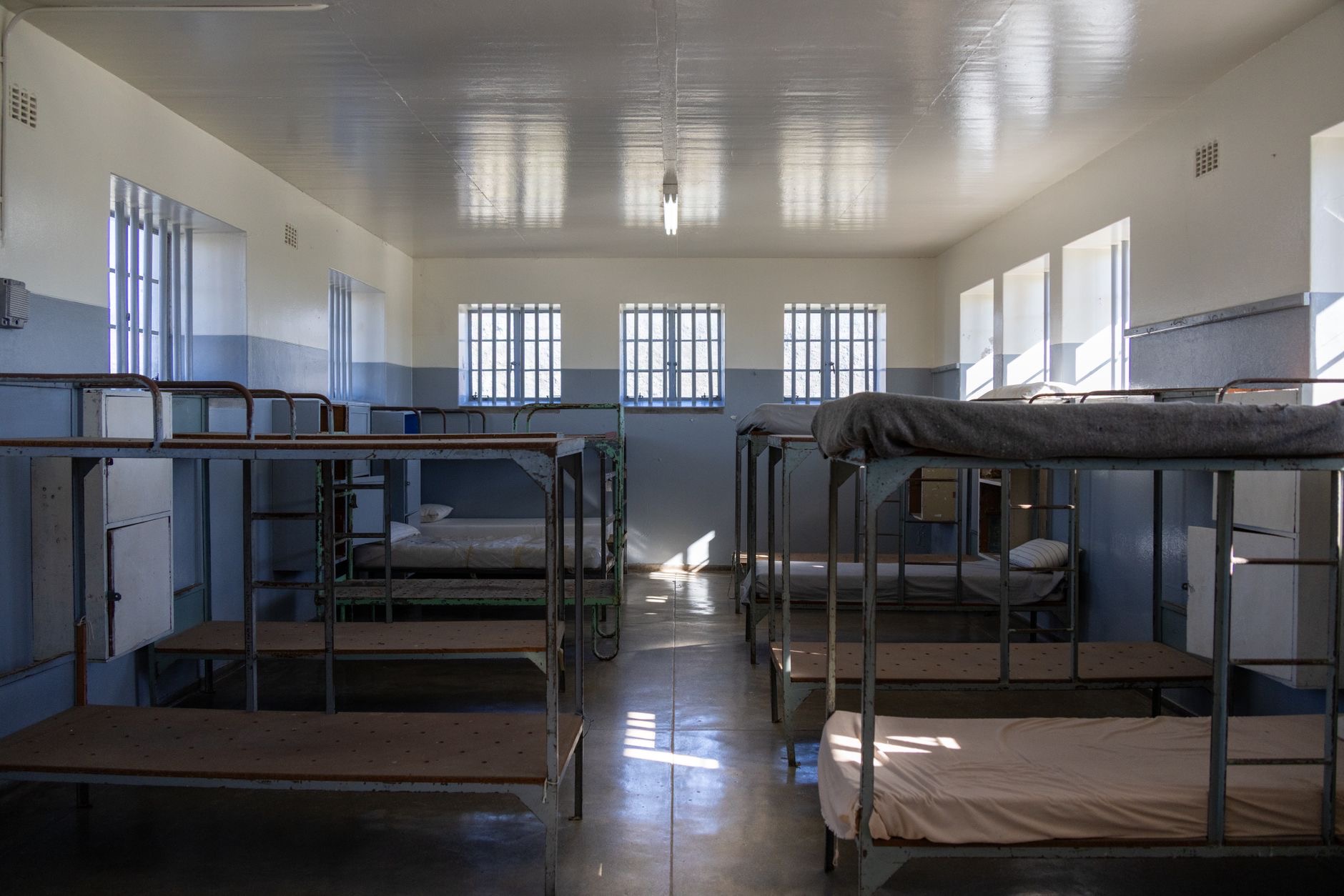
Conditions inside the compound became a legal issue soon after it opened. Detainees and advocacy organizations alleged shortages of medication, hygiene supplies and drinkable water, as well as inadequate access to medical and mental-health treatment. Nineteen detainees participated in a hunger strike in September 2025, according to advocacy groups. DHS rejected depictions of abusive conditions and said detainees continued to receive meals, beverages and required care.
The American Civil Liberties Union subsequently sued, alleging that the government had selected Angola for its frightening reputation and was using detention as additional punishment. The litigation also challenged continued custody of people whose deportations could not be carried out within a reasonably foreseeable period.
That second issue produced concrete consequences. In February, a federal judge ordered four men held at Camp 57 released after finding that their prolonged detention violated constitutional limits. The government had final removal orders against the men, but their countries of origin had not accepted them within the period considered reasonably permissible under Supreme Court precedent. DHS sharply criticized the releases and pointed to the men’s previous convictions, while their lawyers stressed that they had already completed their criminal sentences.
The dispute illustrates a broader complication in ICE detention: a final removal order does not guarantee that deportation can occur promptly. Diplomatic barriers, missing travel documents or a foreign government’s refusal to receive a person can leave someone in custody for months. Courts generally require the government to justify continued confinement when removal is no longer reasonably foreseeable.
Camp 57 also forms part of a much larger federal expansion. Congress provided $45 billion for immigration detention capacity in the domestic-policy law signed in July 2025, and ICE has pursued new or converted sites around the country. Louisiana has become particularly important because it already contains multiple immigration detention centers and a major deportation-flight hub near Alexandria.
The Angola compound’s capacity is modest compared with the tens of thousands of beds ICE operates or plans to acquire nationally. Its significance is instead institutional and symbolic: a state converted dormant prison infrastructure, placed a private operator inside it and secured continuing federal reimbursement for holding civil detainees.
As its first anniversary approaches, the central questions are no longer whether Camp 57 will open or survive its initial controversy. It has done both. The questions now concern the transparency of its funding, the treatment and legal status of the people confined there, and whether an emergency-era arrangement inside one of America’s most notorious prisons is becoming a permanent feature of federal immigration policy.




Leave a Reply