
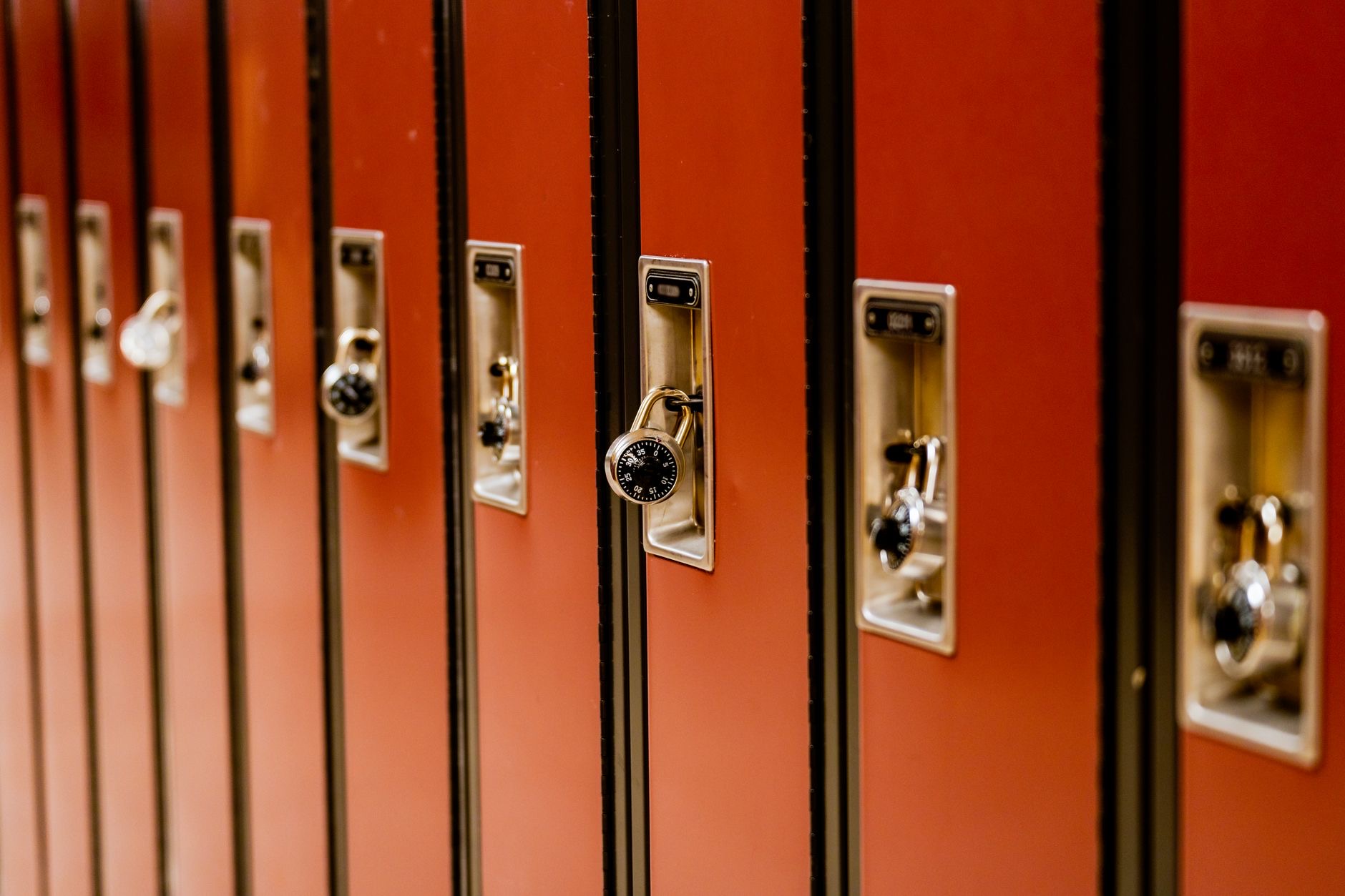
Schools and colleges across North America are placing greater emphasis on campus-wide visibility and coordinated emergency response as budget constraints make it harder to replace security equipment or expand staffing. Industry findings published Aug. 7 show institutions increasingly want video, access-control and emergency information brought together so personnel can identify incidents and act without moving among disconnected systems.
Campus Security Today, citing education-specific data from physical-security technology company Genetec, reported that monitoring and responding to active incidents was the primary use of security data for 86% of higher-education respondents and 79% of K-12 respondents. Those results put real-time awareness at the center of the current security discussion as institutions prepare facilities, procedures and personnel for a new academic year.
Managing access to buildings was also a prominent concern. Nearly 80% of higher-education institutions and 77% of K-12 respondents said they use security technology to audit the movement of students, employees and visitors. More than half of the schools represented in the findings use security information to help plan or conduct emergency drills.
The figures illustrate why campus “visibility” means more than installing additional cameras. In practice, it can involve connecting video feeds with door alarms, electronic credentials, intercoms, intrusion sensors and emergency communications. A unified operating view may help a security employee determine where an alarm originated, check nearby video and relay relevant information to responders without separately consulting several applications.
That operational goal is colliding with financial pressure. Budget limitations were named as the top challenge by 74% of K-12 respondents and 72% of higher-education respondents. The findings suggest that even when school leaders see a need for modernization, projects must compete with instructional programs, staffing, facilities maintenance, transportation, student services and other recurring obligations.
As a result, institutions are under pressure to establish measurable benefits before approving purchases. Improved situational awareness is one of the principal measures administrators use to justify security technology, according to the report. Compliance with federal, state or district requirements is another investment driver, especially in K-12 systems, where legislatures and education agencies have increasingly prescribed elements of emergency planning and campus safety.

For school boards and university governing bodies, the budget calculation extends well beyond the initial price of cameras, card readers or software licenses. A project can also carry costs for networking, data storage, cybersecurity, installation, maintenance, employee training and future upgrades. Cloud-based services may shift some expenses from large upfront purchases to recurring subscriptions, while on-premises systems require institutions to maintain more infrastructure themselves. Hybrid designs divide those responsibilities.
Genetec’s broader 2026 State of Physical Security report, released in December 2025, was based on 7,368 respondents from six global regions, including the United States and Canada. Participants included end users, channel partners, consultants and manufacturers across multiple industries. The survey was conducted from Aug. 18 through Sept. 15, 2025, and included only completed responses. Because Genetec sells security technology, its findings represent an industry survey rather than an independent government assessment; the education-specific results are nevertheless a useful indication of the purchasing and operational pressures reported by participating institutions.
The wider report found that more than 70% of respondents were using unified or integrated systems. It also said 60% identified integration with new technology as the main motivation for replacing legacy equipment, while 51% cited access to new capabilities. Those findings help explain why schools may seek software and components that work with existing installations instead of approving a campus-wide replacement at one time.
Phased modernization can be particularly important for large districts and universities. A district may operate dozens of buildings constructed in different decades, while a university can encompass classrooms, laboratories, residence halls, athletics facilities, health centers and parking areas. Those sites may use equipment from different manufacturers, follow different access schedules and present different levels of risk. Connecting existing systems can offer a more affordable path, provided the equipment is compatible and still receives security updates.
Vendor stability is another factor for institutions planning multi-year projects. In Genetec’s broader survey, 73% of end users said a manufacturer’s long-term viability and stability was important when evaluating a solution, ahead of product performance and price measures cited by smaller shares. For schools, an unsupported platform can force an early replacement, create cybersecurity exposure or leave administrators unable to obtain components and updates.
Technology integration also introduces risks that are not resolved by better visibility alone. Systems that track credentials or associate video with specific events can generate sensitive records about where students and employees enter, work or gather. Institutions need defined rules governing who can see the information, how long it is retained, when it can be shared and how inappropriate access will be detected. Procurement reviews should account for encryption, authentication, audit logs, software support and incident-response responsibilities.
Artificial intelligence adds another layer of scrutiny. Genetec’s global report found that interest in adopting AI had more than doubled among end users and that AI joined access control and video surveillance among the leading project priorities for 2026. Potential uses include sorting alarms, accelerating video searches and reducing repetitive monitoring. At the same time, 70% of respondents expressed concerns about AI design and implementation, including how data is used and whether system decisions can be understood.
In an educational environment, those concerns can affect trust among students, parents, faculty and staff. Automated alerts can assist trained personnel, but inaccurate classifications or poorly configured systems can divert resources and subject individuals to unnecessary scrutiny. Schools considering such tools must establish human review, test performance under actual campus conditions and explain how information will be handled.
Unified systems also do not replace emergency preparation or sufficient staffing. Their value depends on personnel who understand the campus, can interpret incoming information and know when to contact administrators, first responders or other agencies. Regular exercises can reveal whether alerts reach the appropriate people, whether building information is current and whether backup procedures work during network or power failures.
The emerging strategy is therefore less about buying a single security product than about obtaining greater value from a constrained mix of technology, staff and procedures. For institutions unable to fund a comprehensive upgrade, the practical path may involve identifying the highest-risk gaps, connecting usable equipment, replacing unsupported components and expanding the system over several budget cycles.
With fiscal pressure likely to remain a defining part of school governance, proposed security investments will face continuing demands for evidence. Administrators will need to show that a project improves response, supports drills, protects data and remains financially sustainable. The latest findings indicate that schools are prioritizing visibility, but their decisions will ultimately depend on whether that visibility can be delivered without creating costs and risks the institution is not prepared to manage.




Leave a Reply