
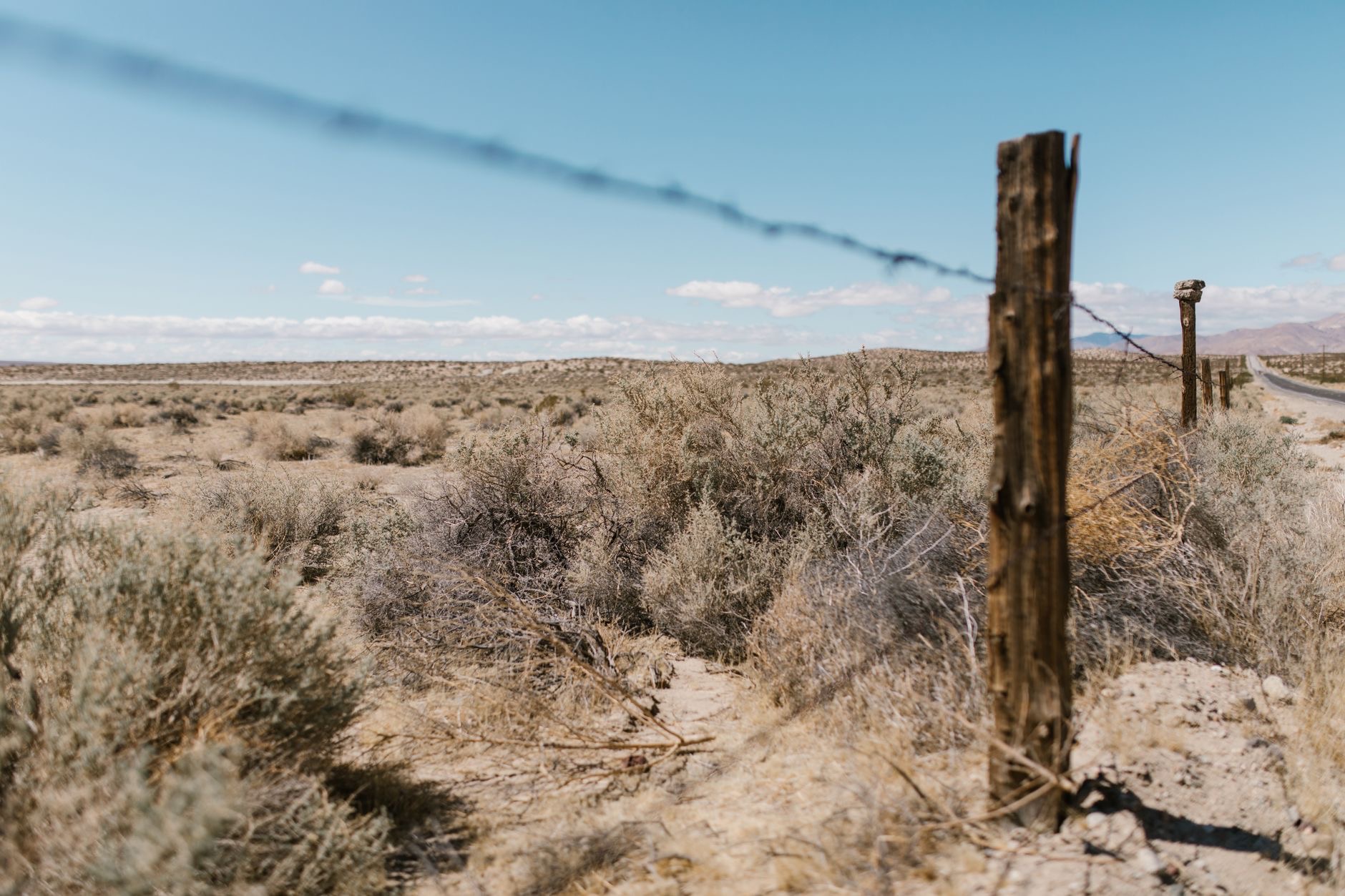
A federal judge has allowed the Department of Homeland Security to continue advancing a border wall project near Presidio, Texas, denying a local development district’s request to pause work over fears that construction could weaken or alter the levee system protecting the community from flooding.
U.S. District Judge Reggie B. Walton of the District of Columbia issued the 26-page decision Sunday, concluding that the Presidio Municipal Development District had not shown it was likely to prevail on the central legal claim supporting its request for emergency relief. The district had argued that DHS and U.S. Customs and Border Protection could not build on or modify the federally supported levees without permission and technical review under Section 408 of the Rivers and Harbors Act.
Walton acknowledged the district’s concerns about possible harm to residents but said a July 2 waiver issued by Homeland Security Secretary Markwayne Mullin under the Illegal Immigration Reform and Immigrant Responsibility Act undermined the claim. That statute gives the Homeland Security secretary broad authority to waive legal requirements deemed necessary to speed construction of barriers and roads near the international border. The July waiver specifically added the Rivers and Harbors Act to a longer list of laws set aside for the Big Bend project.
The judge wrote that the waiver defeated claims that federal officials violated the levee-protection provision after July 2. For actions taken before the waiver, Walton found that the development district had identified extensive preparation — including contracts, land clearing, access-road work, equipment mobilization and material staging — but had not shown that the government had actually altered or impaired the levee itself. Because the district could not demonstrate a likely win on the merits, the court did not need to weigh the remaining factors normally considered for a preliminary injunction.
The ruling is limited. It does not make a final determination that the proposed wall is safe, and it does not dismiss the entire case. Instead, it denies the district’s bid for a stay or preliminary injunction, allowing DHS and CBP to keep planning and preparing while litigation continues. Marfa Public Radio reported that the government must file a formal response to the complaint by Aug. 21.

Presidio sits in a deep bend of the Rio Grande in far West Texas, near the Rio Conchos and Cibolo Creek. The city is protected by a network of berms and earthen levees developed in the 1970s and 1980s. Court records describe the Presidio Flood Control Project as roughly 15 miles of infrastructure serving about 52 square miles of urban and agricultural land. Local officials have emphasized that the system is not an abstract engineering asset: It is the principal flood barrier for homes, businesses, farms and public facilities in a community of roughly 3,200 to 4,000 people.
The development district’s complaint says CBP communicated a plan to replace the river-facing slope of the existing earthen levee with a reinforced concrete levee wall and install 30-foot steel bollard panels on top. The broader “Smart Wall” concept also includes patrol roads, cameras, lighting, sensors and, in some locations, waterborne or secondary barriers. The district says a project of that scale should receive hydraulic, hydrologic and structural analysis before construction touches the flood-control system.
Federal officials have disputed the suggestion that a final levee design is already locked in. In court filings, the government said the construction contract for the Big Bend 2 project was awarded March 5 and that work on the levee portion was estimated to begin no earlier than August. It also said there was no approved final design, that CBP intended to conduct its own analysis and consult the U.S. section of the International Boundary and Water Commission and the Army Corps of Engineers, and that an alternative alignment avoiding alteration of the existing levees was under consideration.
That uncertainty helped the government at the emergency-relief stage. Walton wrote that it would be difficult for the district to prove imminent, irreparable harm when the final design had not been completed. The court nevertheless found enough evidence of a final agency decision to build in the Big Bend sector to retain jurisdiction over the pre-waiver dispute, rejecting a broader government argument that the case was not ready for review at all.
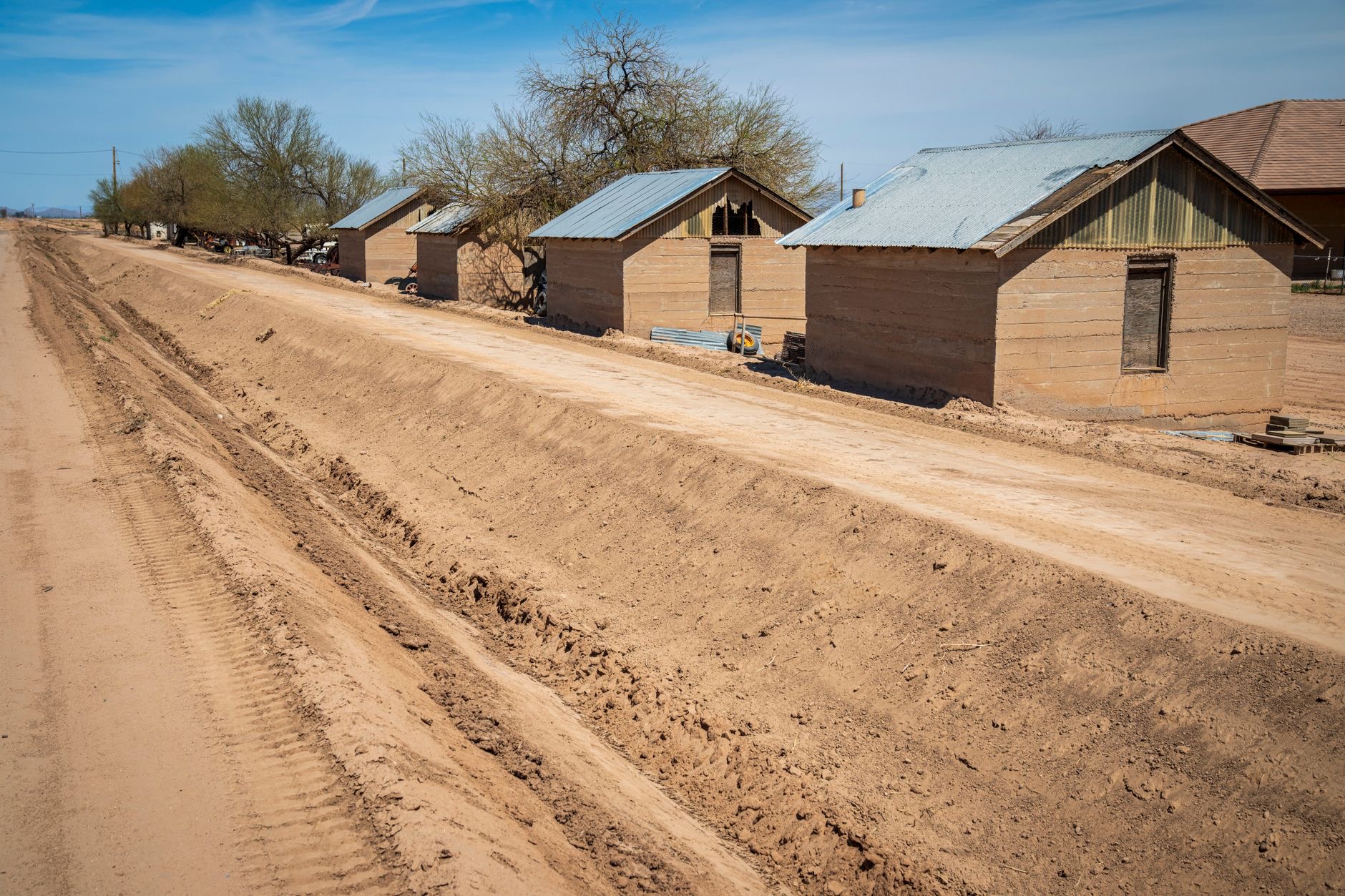
The legal fight centers on the interaction between two federal authorities. Section 408 of the Rivers and Harbors Act generally bars alteration or impairment of a levee or other federal flood-control work without Army approval based on a recommendation from the chief of engineers. The border-waiver provision, expanded by Congress in 2005, authorizes the Homeland Security secretary to waive “all legal requirements” considered necessary for rapid barrier construction. Judicial review of decisions made under that waiver is tightly constrained, generally leaving constitutional claims as the main avenue for challenge.
DHS has described the Big Bend sector as an area requiring additional barriers and roads, citing apprehensions and drug seizures over multiple fiscal years. The administration’s broader border-wall push is part of a plan valued at about $46 billion, according to the Associated Press, with officials saying an initial layer is intended to be completed next year. Opponents argue that rapid construction can threaten wildlife habitat, cultural and religious sites, private property and local infrastructure, particularly when agencies waive environmental and procedural safeguards.
Presidio officials have framed their case more narrowly around flood control and governmental process rather than opposition to border enforcement itself. The city and development district previously commissioned an independent flood-risk assessment after saying they could not obtain sufficient engineering information from federal agencies. Their concern is sharpened by the area’s history: Floodwaters overtopped the levee system in 2008, and reconstruction completed in 2014 restored structural integrity without increasing its design capacity.
The next phase will determine whether the development district revises its legal strategy, pursues an appeal or waits for a final design that could create a more concrete basis for challenge. DHS and CBP, meanwhile, can continue preparatory activity unless a higher court intervenes or another order changes the project’s status. For Presidio, the practical question remains the one the ruling did not answer: exactly how the wall will intersect with the levees, and what engineering safeguards will be in place before construction reaches them.




Leave a Reply