
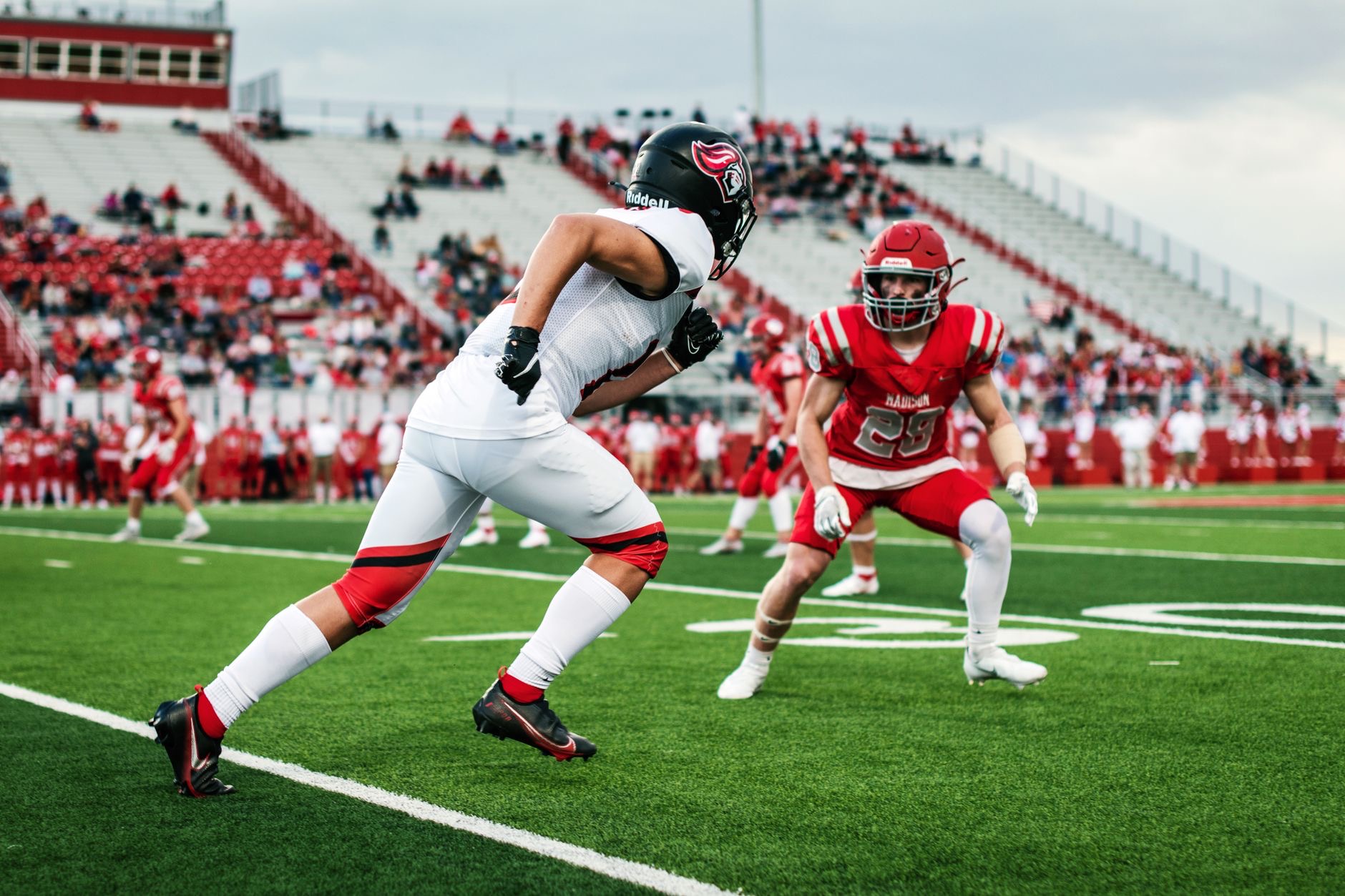
A federal judge in Colorado has ordered the NCAA to treat a nationwide class of Division I athletes who began college competition in 2022-23 as eligible for a fifth season in 2026-27, a late-summer ruling that could reopen careers and force schools to revisit rosters just weeks before fall competition begins.
U.S. District Judge Charlotte N. Sweeney granted emergency relief Friday in Wisne et al. v. National Collegiate Athletic Association, a federal antitrust case filed by athletes from basketball, baseball and track and field. The class covers athletes who started competing in 2022-23, completed four seasons under the NCAA’s former rules by the end of 2025-26 and were excluded from a fifth season when the association adopted its new eligibility framework.
The order is preliminary, not a final judgment on the merits. The NCAA can appeal to the 10th U.S. Circuit Court of Appeals and seek a stay that would pause the relief. Until an appellate court intervenes or the district court changes its order, however, the NCAA must recognize covered athletes as eligible for the coming academic year.
The timing makes the ruling unusually consequential. The court directed the NCAA to create a special transfer-portal window from Aug. 3 through Aug. 10 for athletes newly eligible under the injunction. Football teams are already in preseason camp, while soccer, volleyball and other fall sports are approaching their opening dates. Basketball programs that believed their 2026-27 rosters were substantially complete may suddenly have access to experienced players who had been treated as out of eligibility.
The dispute grew out of the NCAA Division I Cabinet’s June 23 adoption of an age-based eligibility model commonly described as “five-for-five.” The framework permits as many as five seasons of competition during a five-year window that generally begins with full-time college enrollment or the academic year after an athlete turns 19, whichever comes first. It also removes the traditional four-season limit and, for future athletes, largely eliminates redshirt calculations and many waiver questions.
But the transition rules did not provide an additional season to athletes who used what the NCAA considered their final season in 2025-26. The association’s published guidance said those athletes would receive no additional eligibility, while current athletes who still had time remaining could use either the prior rules or the new model, whichever was more favorable. The plaintiffs argued that this line singled out the 2022 cohort even though athletes immediately before and after them could benefit from exceptions or the new system.
The named plaintiffs include former Minnesota basketball player Cade Tyson and Northern Colorado player Brock Wisne, along with other Division I athletes. Their complaint alleged that the NCAA’s rule restrained competition for athlete services and denied them opportunities tied to scholarships, graduate education and name, image and likeness compensation. They sought class-wide relief rather than eligibility decisions limited to the individuals who filed suit.
Sweeney agreed that the athletes had made the showing required for emergency relief. In the court’s analysis, the plaintiffs were likely to succeed on their Section 1 Sherman Act claim, faced irreparable harm if forced to miss the 2026-27 season, and had the balance of equities and public interest in their favor. Missing a season cannot be repaired later in the same way that an ordinary financial loss can, particularly for athletes whose competitive windows and professional opportunities are time-sensitive.
The NCAA argued that retroactively expanding eligibility would create widespread roster disruption. That concern now shifts from the courtroom to athletic departments. Coaches and administrators must determine who wants to return, whether roster space and financial aid are available, and how any late addition fits within conference, institutional and settlement-related roster rules. The injunction establishes NCAA eligibility for the covered class, but it does not guarantee every athlete a scholarship, admission to a graduate program, a roster position or playing time.
The ruling may affect different sports in different ways. Football programs could hear from players who went undrafted or were released from professional opportunities, though any return would depend on their compliance with other NCAA requirements. In basketball, where one veteran can materially change a team’s outlook, schools may pursue players who had already explored professional options. Olympic-sport programs face similar questions, often with tighter scholarship budgets and less roster flexibility.
The special portal window is designed to give affected athletes a formal route to seek a new school, but it also compresses recruiting into one week. Compliance offices will need to verify that athletes fit the certified class, process portal entries and communicate with coaches while preparing for the academic year. Schools that have filled their rosters may have to decide whether to preserve current commitments or make room for older, proven competitors.

NCAA President Charlie Baker responded by pointing to the broader political fight over college-sports governance. He said the competing court orders and resulting uncertainty strengthened the case for congressional action on the Protect College Sports Act, legislation intended to create national standards for athlete compensation and provide legal protections for college-sports rules. The proposal has been under active Senate negotiation, making the eligibility decision part of a larger debate over how much authority courts, Congress, conferences and the NCAA should each hold.
The Colorado ruling also came amid similar litigation in other states. A Tennessee court on Friday granted temporary relief to Jalen Washington and 18 other basketball players, while an Ohio court had previously sided with a more limited group of athletes challenging the same transition. The Colorado case is more sweeping because Sweeney certified a nationwide class for purposes of the requested injunction, extending relief beyond the named plaintiffs.
That broader scope could make the Colorado order the central test of the NCAA’s new framework. An appellate stay could quickly narrow or suspend its effect, while a decision allowing the injunction to remain in place would make schools plan around a fifth season for potentially many athletes. The underlying antitrust case will continue unless the parties settle or a higher court resolves the dispute.
For now, the practical message to athletes and schools is immediate but not final: covered Class of 2022 competitors have a court-ordered path back to Division I sports in 2026-27, and a short portal window to act on it. The NCAA’s next legal move could still reshape that path, but the injunction has already forced college sports to reopen eligibility decisions that appeared settled only weeks ago.




Leave a Reply