
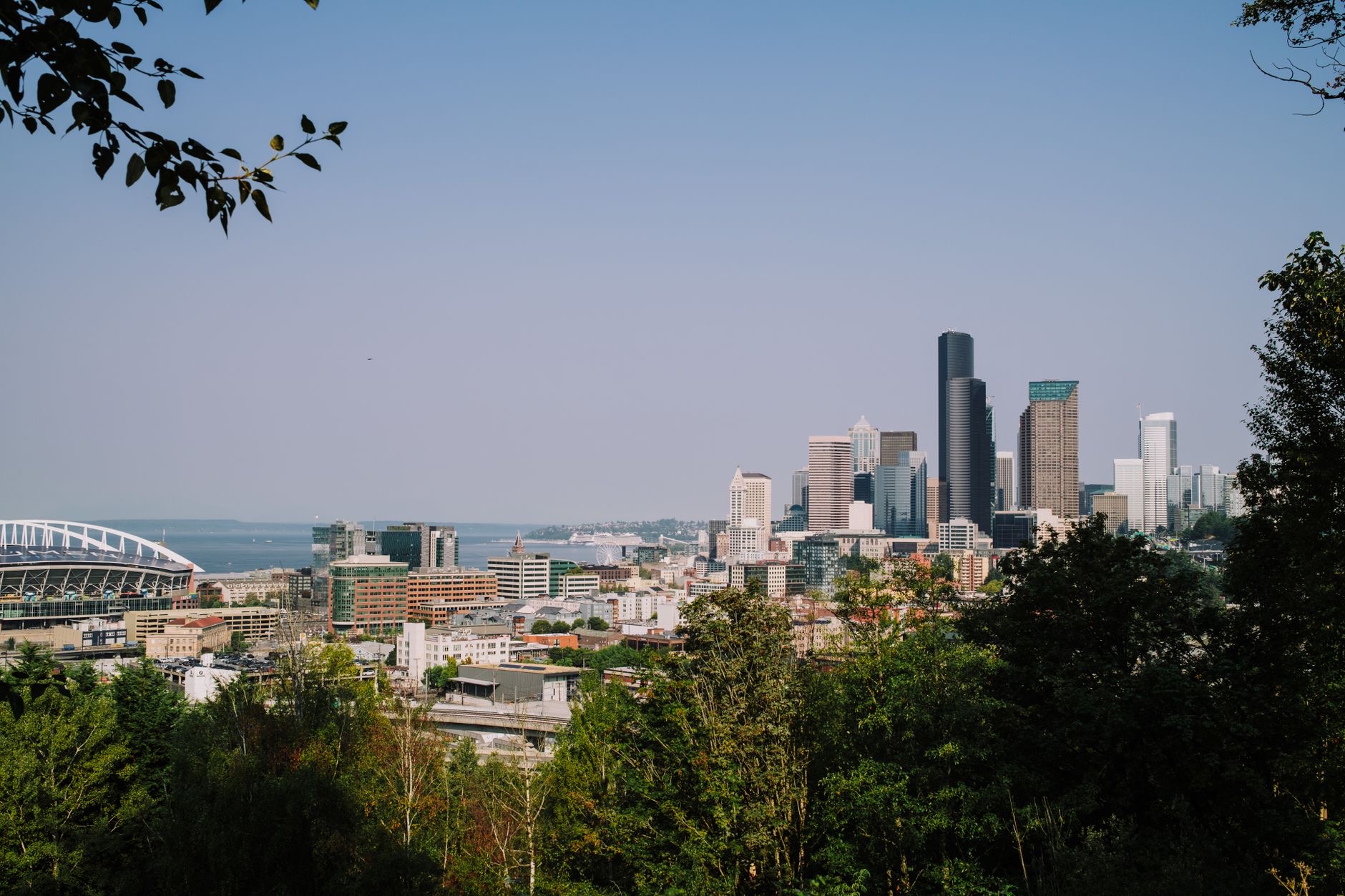
SEATTLE — The United States’ World Cup last-16 match against Belgium was set to be played under one of the tournament’s most favorable weather windows Monday, with Seattle forecast for a mostly sunny, warm and dry day ahead of the 5 p.m. Pacific kickoff at Lumen Field.
The National Weather Service office in Seattle/Tacoma said early Monday that a weak ridge of high pressure would bring warm and dry conditions to Western Washington into Tuesday. Its discussion called for mostly sunny skies across interior areas, with light northerly surface flow shifting to northwest winds later in the day. The office listed no weather watches, warnings or advisories for Washington in the forecast discussion, an important matchday detail for organizers expecting heavy stadium, transit and fan-zone traffic.
For supporters arriving in the SoDo stadium district through the afternoon, the conditions were close to ideal for a major outdoor sporting event: warm enough for a summer atmosphere, but not the kind of punishing heat that has affected some North American summer events. Forecast data for Seattle showed a Monday high near 80 degrees and a low near 55, with the evening expected to cool from the afternoon peak. That gave fans an easier planning brief than many World Cup host cities: bring sun protection and water for the afternoon approach, but expect more comfortable conditions by kickoff and the second half.
Lumen Field, operating in FIFA materials as Seattle Stadium, listed United States vs. Belgium as its July 6 FIFA World Cup 26 Round of 16 event, with the match scheduled to start at 5 p.m. local time. FIFA’s match center also listed the fixture as Match 94 in Seattle, placing it among the final Round of 16 games and giving the winner a path into the quarterfinals.
The clear forecast helped put the focus back on soccer after a buildup dominated by competitive stakes and selection questions. The U.S. entered the match seeking a breakthrough knockout-stage moment at a home World Cup, while Belgium arrived as a familiar and dangerous opponent. The teams’ last World Cup knockout meeting, in 2014, ended with Belgium eliminating the Americans in extra time after a memorable U.S. goalkeeping performance by Tim Howard. Monday’s match gave the U.S. a chance to reset that history in front of a home crowd in one of the country’s loudest soccer markets.

Weather can matter more in a World Cup than casual viewers may assume. Heat affects pressing intensity, recovery runs, substitution timing and hydration breaks. Rain can alter the speed of the ball and increase the chance of slips or defensive errors. Wind can complicate long switches, set pieces and goalkeeper distribution. In Seattle, Monday’s outlook removed many of those variables. Light winds and dry conditions were expected to make the match less about environmental adaptation and more about tactical execution.
That was particularly relevant for the U.S., which was expected to lean heavily on energy, transition play and crowd momentum. A comfortable evening setting gave both teams a fair playing surface and reduced the likelihood that weather would slow the tempo. For Belgium, the dry conditions also suited a side with experienced technical players capable of building through midfield and attacking wide areas. The forecast did not favor one team as much as it helped preserve the game’s intended rhythm.
The fan experience was also central to the story. Seattle’s World Cup run has been tied closely to transit planning, neighborhood activity and stadium-area crowd flow, and a dry Monday lowered the logistical burden. Supporters gathering before the match in Pioneer Square, downtown Seattle and near Lumen Field could do so without the rain gear often associated with the Pacific Northwest. The sunny afternoon also likely boosted foot traffic around restaurants, bars and public gathering points before stadium entry.
Still, the weather was not entirely effortless. Afternoon sun and temperatures near 80 degrees meant fans spending hours outside before kickoff needed to manage hydration and shade, especially in lines, plazas and transit queues. NWS forecasters also noted that marine air and some stratus were expected to filter inland Monday night into Tuesday, signaling a shift toward cooler temperatures after the matchday warmth. For Monday’s event window, however, the forecast remained firmly in the favorable range.
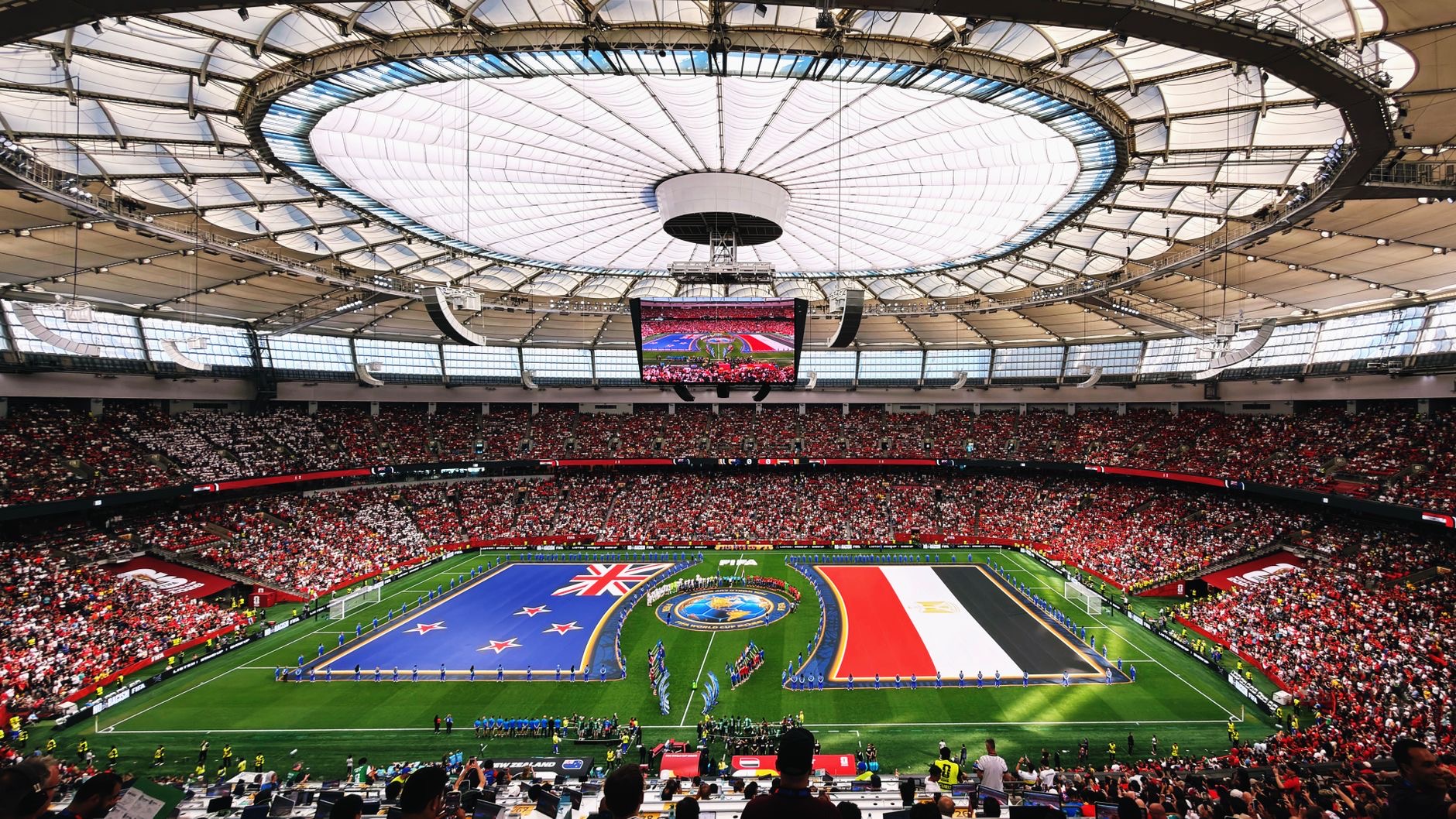
The timing also helped broadcasters and tournament planners. A 5 p.m. local start avoided the hottest part of the day while still providing a national prime-time slot in the Eastern time zone. In U.S. television terms, the match occupied one of the most valuable windows of the tournament: early evening on the West Coast, 8 p.m. in the East, and a manageable late-night start for some European audiences following Belgium.
For Seattle, the weather reinforced the city’s pitch as a summer sports destination. The Pacific Northwest can be associated nationally with rain, but July often delivers some of the region’s best conditions: long daylight, relatively low humidity and cooler evenings. Monday’s setup gave visiting supporters, FIFA officials and global media a postcard version of the city, with the stakes of a U.S. knockout match adding to the showcase.
The game also arrived as the World Cup’s U.S. footprint moved deeper into the knockout rounds. The expanded 48-team tournament has produced a heavier schedule across the United States, Mexico and Canada, with host-city conditions varying widely. Seattle’s mild matchday stood in contrast to venues where heat, humidity or storms can become part of the competitive narrative. For Monday’s U.S.-Belgium tie, the main external factor was not whether the weather would disrupt the game, but how much the favorable setting could amplify the atmosphere.
By kickoff, the forecast had given both teams and supporters a clean stage: a dry field, a comfortable evening, a packed stadium and a clear competitive prize. In a match carrying national attention and World Cup consequences, Seattle’s weather did exactly what organizers would have wanted — stayed out of the way while helping make the occasion feel bigger.




Leave a Reply