
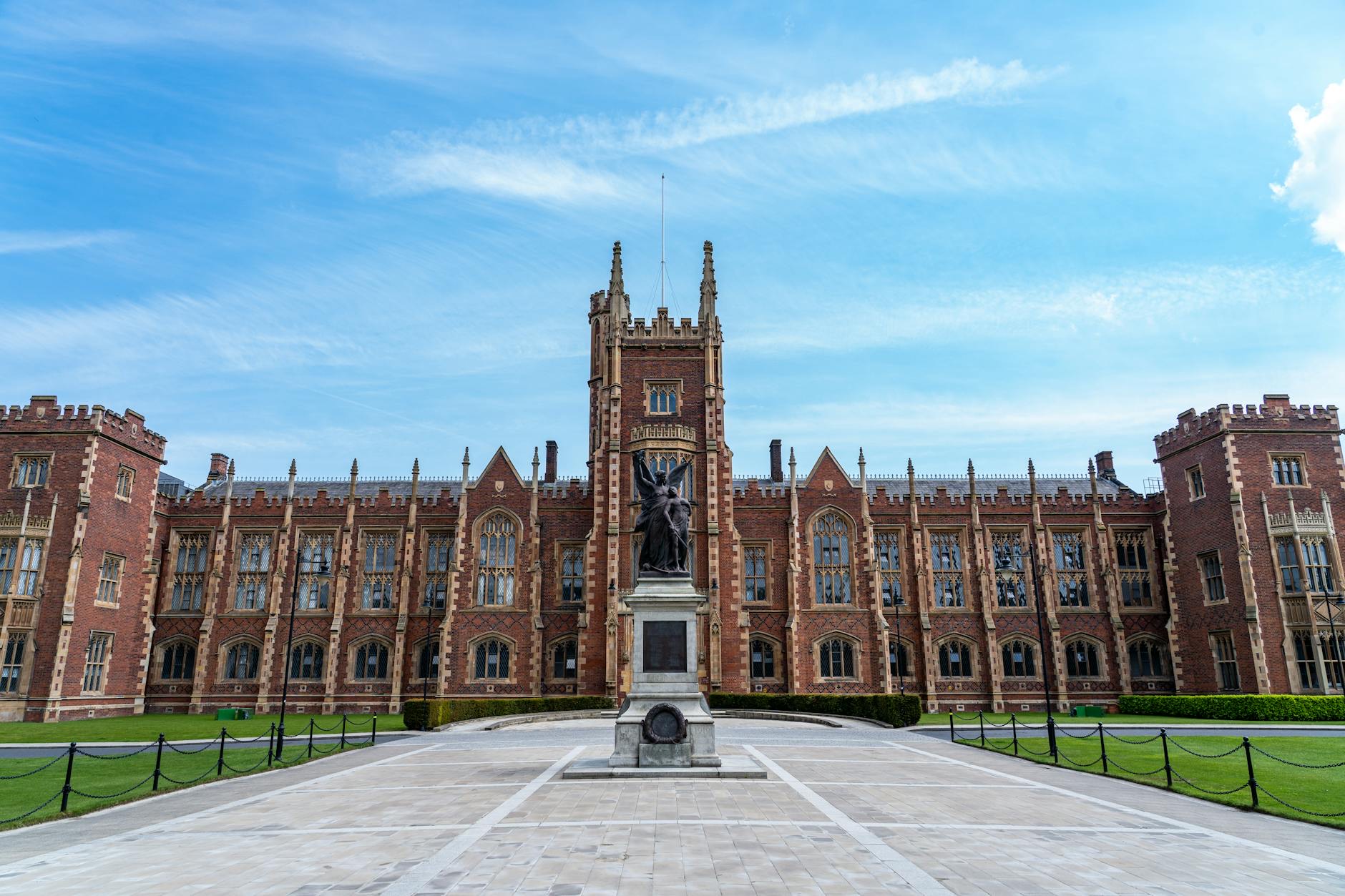
The University of Arkansas board of trustees approved higher tuition and fees for the Fayetteville campus for the 2026-27 fiscal year, advancing a roughly 4% increase in the standard undergraduate resident tuition-and-fee charge at the state’s flagship public university.
The action came during the board’s May 20-21 meeting at the University of Arkansas System Division of Agriculture’s Northeast Rice Research and Extension Center in Harrisburg, where trustees considered tuition and fee recommendations for campuses across the UA System. Board materials show System President Jay B. Silveria recommended approval of proposed tuition and fee amounts requested by chancellors for the 2026-27 fiscal year.
For the Fayetteville campus, the most direct benchmark for many in-state undergraduates is the combined per-credit charge for base undergraduate resident tuition and undergraduate mandatory fees. The board materials list undergraduate resident tuition rising from $269.75 per semester credit hour in fall 2025 to $277.84 in fall 2026. Total undergraduate mandatory fees, using the Arts and Sciences teaching-equipment and laboratory enhancement fee as the standard calculation, rise from $80.16 to $86.03 per credit hour.
Together, those figures move the resident undergraduate tuition-and-fee charge from $349.91 to $363.87 per credit hour. For a full-time student taking 30 credit hours across an academic year, that translates to about $10,916 in tuition and mandatory fees, up from about $10,497 under the prior rates. The increase is about $419 for the academic year before housing, food, books, transportation, supplies and personal expenses are added.
The board materials also show higher rates for nonresident undergraduates. Undergraduate nonresident tuition rises from $971.53 to $1,020.11 per credit hour. When paired with the proposed undergraduate mandatory fee total of $86.03, the combined nonresident undergraduate charge rises to about $1,106.14 per credit hour, or roughly $33,184 for 30 credit hours. That is an increase of about $1,634 from the prior tuition-and-fee subtotal using the same credit-hour calculation.

The Fayetteville schedule includes separate rates and differentials for architecture, business, engineering, nursing, graduate, law and some distance-education programs. Architecture undergraduate resident tuition rises from $342.58 to $352.86 per credit hour, nursing undergraduate resident tuition rises from $347.57 to $358, and graduate resident tuition rises from $459.68 to $473.47. Law resident tuition rises from $568.31 to $585.36 per credit hour. Some online and specialized distance-education program rates remain unchanged in the materials.
Mandatory fee increases include the facilities fee, library fee, media fee, network and data systems fee, student activity fee, student health and wellness fee and transit fee. The facilities fee rises from $26.60 to $28.45 per credit hour, the network and data systems fee rises from $16 to $18, and the transit fee rises from $5.62 to $6.52. The documents state that the credit-hour fee for the Fayetteville campus supporting an intercollegiate athletic program is $0.
The tuition vote comes as public universities continue to face pressure from competing budget forces: employee compensation, campus maintenance, technology costs, student services, financial aid, debt service and state funding limits. University systems typically approve tuition and fee schedules months before the academic year so financial-aid offices, bursars, students and families can finalize award packages and billing expectations.
At Fayetteville, the increase will be seen most clearly in direct charges, but the total cost of attendance is broader. The university’s 2025-26 financial-aid estimates for Arkansas resident undergraduates listed tuition and fees at $10,496 for 30 hours, with a total cost of attendance of $32,690 for dependent students living in a dorm or off campus after adding books, housing, food, personal expenses and transportation. The new tuition-and-fee schedule would raise the direct tuition-and-fee component while leaving other future cost-of-attendance assumptions subject to separate updates.
For students receiving scholarships, grants or waivers, the impact will vary depending on whether their aid covers tuition only, tuition and fees, a fixed dollar amount, or a broader cost-of-attendance budget. Students who pay out of pocket or borrow to cover remaining balances may see the increase more directly, especially if housing or meal costs also rise. Nonresident students may also be affected differently depending on eligibility for the university’s New Arkansan Non-Resident Tuition Award or other institutional aid.

The board’s resolution framed the tuition-and-fee action around student success, stating that the board maintains a focus on retention and graduation. The materials did not, in the excerpted tuition item, provide a campus-by-campus narrative explaining each rate change, but they did include detailed current and proposed amounts for Fayetteville and other UA System campuses.
The decision is narrower than a broader debate over college affordability but will likely feed into that debate on campus. Any increase in tuition and fees can affect students differently: a few hundred dollars may be manageable for some families but material for students already relying on loans, work hours or emergency assistance. At the same time, university leaders often argue that controlled annual increases are needed to sustain instruction, services and infrastructure without more abrupt budget cuts.
The Fayetteville campus remains central to the UA System’s public higher-education footprint. As the flagship institution, its tuition schedule affects not only current students but also recruitment messaging to Arkansas high school seniors, transfer students, graduate applicants and out-of-state families comparing regional public universities. The approved 2026-27 rates give those students and families a clearer picture of direct academic charges heading into the next admissions and billing cycle.
The board action does not end the financial planning process. Students will still need updated aid offers, campus cost-of-attendance figures and billing statements to understand their individual net price. For many families, the final affordability question will depend less on the published tuition rate alone than on scholarships, grants, residency status, program choice, housing selection and how much of the bill must be financed through work or loans.




Leave a Reply