
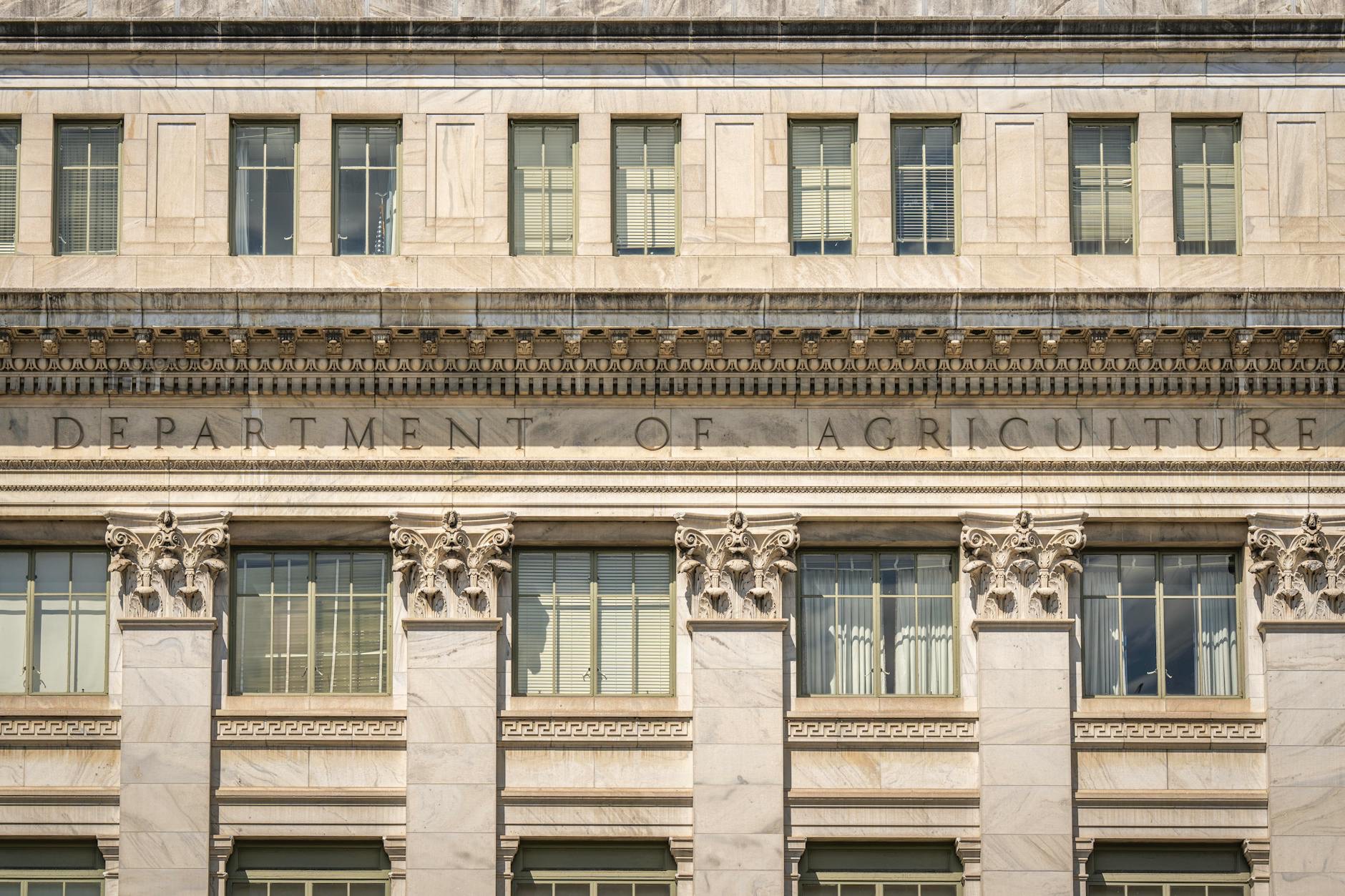
Kevin Warsh has been confirmed by the U.S. Senate to lead the Federal Reserve, setting up a leadership change at the world’s most influential central bank while Jerome Powell remains in place temporarily until Warsh is formally sworn in.
The Senate approved Warsh, of Florida, on May 13 by a 54-45 vote to be chairman of the Board of Governors of the Federal Reserve System for a four-year term. The official Senate roll call listed the nomination as confirmed, with 54 yeas, 45 nays and one senator not voting. The vote clears Warsh to become the Fed’s 17th chair, succeeding Powell after a tenure defined by pandemic-era emergency support, the sharpest inflation surge in decades, rapid rate increases and a long debate over how far the central bank should go in explaining its policy outlook to markets.
The latest turn came Friday, when the Federal Reserve Board said Powell would serve as chair pro tempore until Warsh is sworn in. The Board said the temporary step was consistent with past practice during similar leadership transitions, but the timing is unusual because Powell’s term as chair concluded while the incoming chair had already been confirmed but had not yet taken the oath. That leaves the central bank in a short interim period as businesses, banks and investors prepare for a new policy regime.
For corporate America, the transition comes at a sensitive point. The Fed’s decisions determine the benchmark interest-rate environment that filters through bank loans, corporate bonds, credit cards, auto financing, private-equity deal math and mortgage rates. Any shift in communication from the chair’s office can move equity prices, Treasury yields and the dollar, particularly when markets are trying to judge whether the Fed is leaning toward rate cuts, rate increases or a longer hold.
Warsh is not new to the institution. He served as a Fed governor during the financial crisis and later became a prominent critic of expansive central-bank intervention. His nomination was watched closely on Wall Street because he has argued for a narrower and more disciplined Fed, including closer scrutiny of how the central bank uses its balance sheet and communicates policy. Supporters say that approach could restore credibility and reduce what they view as excessive dependence on forward guidance. Critics warn it could inject volatility if markets receive less detail about the Fed’s reaction function.

The vote was sharply divided. Senate records show Republicans backed Warsh, while nearly all Democrats opposed him. Sen. John Fetterman of Pennsylvania was the only Democrat recorded as voting yes. Sen. Kirsten Gillibrand of New York did not vote. The partisan split reflects a broader fight over Fed independence, inflation accountability and President Donald Trump’s influence over the central bank. Republicans framed Warsh as a needed change after years of elevated prices and expensive borrowing. Democrats questioned whether he would resist political pressure for lower rates if inflation remains above the Fed’s target.
The Federal Reserve’s own statement on the interim arrangement emphasized continuity rather than policy direction. It said Powell would serve as chair pro tempore only until Warsh is sworn in. A separate statement by Vice Chair for Supervision Michelle Bowman and Governor Stephen Miran said they supported Powell’s temporary designation in principle but described the situation as “unique” because the prior chair’s term ended before the confirmed successor was sworn in. They argued that any temporary arrangement should be limited to a finite period if the swearing-in were delayed.
The distinction matters because the Fed is designed to be institutionally independent, but the chair has enormous agenda-setting power. The chair leads Board meetings, sets the tone for Federal Open Market Committee deliberations, represents the central bank before Congress and becomes the principal public interpreter of monetary policy. Even when the FOMC votes collectively, the chair’s press conferences, speeches and congressional testimony often shape market expectations as much as the rate decision itself.
Warsh’s first major test is likely to be the next policy meeting cycle, when officials will have to weigh inflation, employment, financial conditions and the impact of prior rate decisions. Companies with large refinancing needs will be watching for clues on whether the Fed intends to keep credit tight. Banks will monitor any signs of changes in supervision, liquidity rules or discount-window operations. Homebuilders, real estate investors and mortgage lenders will focus on Treasury yields and mortgage-rate expectations. Technology and growth companies, whose valuations are sensitive to discount rates, may also react strongly to any change in the Fed’s policy language.

The confirmation also lands as the central bank faces pressure from several directions. Consumers remain highly sensitive to borrowing costs and prices. Businesses are managing wage, input-cost and financing pressures. Investors are parsing whether inflation is sufficiently contained for the Fed to ease policy or whether premature cuts could risk a renewed price surge. The chair transition adds another variable: whether Warsh keeps Powell-era transparency largely intact or moves toward a less expansive style of public guidance.
Powell’s Fed placed heavy emphasis on communication, including frequent press conferences, economic projections and repeated explanations of the central bank’s inflation and labor-market assessments. That approach helped investors anticipate policy shifts, but it also drew criticism from those who believe the Fed became too exposed to market expectations. Warsh has been associated with a more skeptical view of extensive forward guidance, though his actual operating style as chair will become clearer only after he takes office and begins leading policy deliberations.
For now, the official record is clear on the transition sequence: the Senate has confirmed Warsh; Powell is serving temporarily as chair pro tempore; and Warsh’s tenure as chair begins once he is sworn in. That means markets may treat the confirmation as settled while still watching for the formal oath, early staffing signals and any public statement from Warsh outlining his priorities.
The business significance extends beyond the next rate decision. A Warsh-led Fed could affect the cost of capital for years, especially if he changes the institution’s approach to the balance sheet, public projections or regulatory coordination. For executives and investors, the immediate question is not only whether interest rates move up or down, but whether the Fed’s new leader changes how predictable the central bank intends to be.



Leave a Reply