
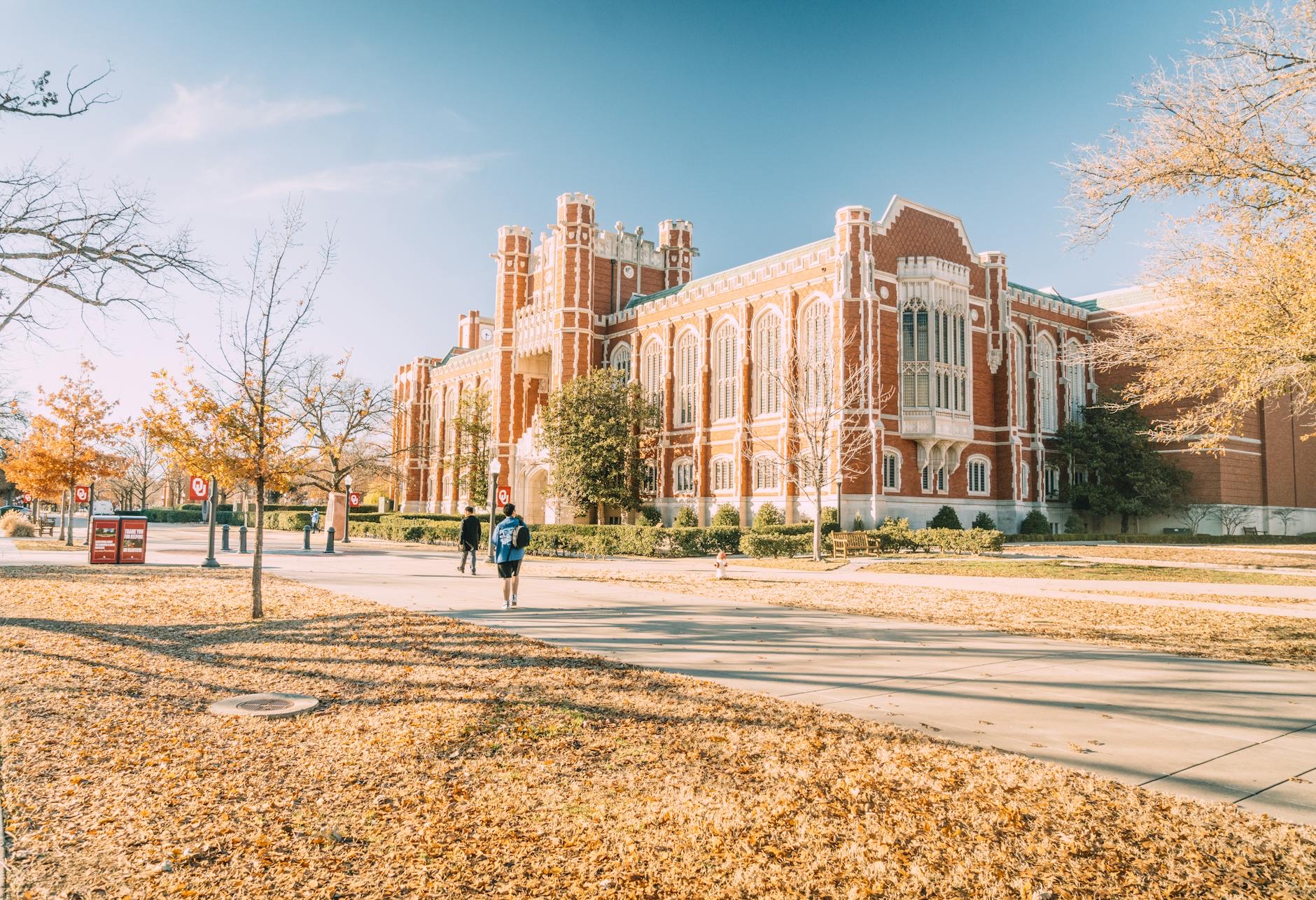
U.S. colleges are reporting a steep decline in foreign student enrollment, with new international undergraduate students down by an average of 20% this spring from a year earlier as the Trump administration’s visa clampdown weighs on one of higher education’s most important sources of tuition revenue and global talent.
The findings, reported Monday by Bloomberg and attributed to a study by a coalition of education groups including NAFSA: Association of International Educators, were based on a survey of 149 American institutions. The survey found that 62% of participating schools had lower international enrollment in both undergraduate and graduate programs compared with spring 2025, a signal that visa and immigration policy uncertainty is affecting more than one segment of the foreign student market.
The spring figures are important because they arrive ahead of the larger fall intake, when most new international students begin U.S. degree programs. Colleges often use spring trends, visa appointment availability, deposit behavior and student communications to assess whether admitted students are likely to arrive. A weaker spring cohort can therefore function as an early warning for fall tuition, housing and course planning.
The reported 20% decline follows a broader deterioration in international enrollment indicators. In November, the Institute of International Education said U.S. colleges and universities hosted 1,177,766 international students in the 2024/2025 academic year, up 5% from the prior year and representing 6% of total U.S. higher education enrollment. But the same Open Doors release showed that new international student enrollment for fall 2024 had already fallen 7% to 277,118, with new graduate enrollment down 15% even as undergraduate enrollment rose.
IIE’s Fall 2025 Snapshot later pointed to a more visible downturn. More than 825 U.S. institutions participating in that survey reported a 1% decline in total international student enrollment as of fall 2025, while new enrollments fell 17%. Graduate enrollment dropped 12%, non-degree enrollment declined in related NAFSA economic analysis, and Optional Practical Training participation continued to rise, changing the balance between students physically enrolled on campus and those working after graduation under student visa rules.
For colleges, the financial stakes are immediate. NAFSA has estimated that international students studying at U.S. colleges and universities contributed $42.9 billion and supported 355,736 jobs in the U.S. economy during the 2024-2025 academic year. Its fall 2025 economic analysis, prepared with JB International, estimated that the decline in new international student enrollment translated into more than $1.1 billion in lost revenue and nearly 23,000 fewer jobs.

Those effects are unevenly distributed. Large public research universities, private universities with global recruiting operations, regional campuses that use international tuition to stabilize budgets, and graduate programs in engineering, computer science and business can be more exposed than institutions with mostly domestic undergraduate populations. Local economies also feel the pressure through housing, dining, transportation, health insurance, retail and other student spending.
The latest survey’s attribution to visa and immigration policy reflects a widening concern among campus officials that students are not only reacting to tuition costs or global competition, but also to uncertainty about whether they can obtain visas, maintain status and safely complete their programs in the United States. International education groups have pointed to visa processing constraints, heightened enforcement, policy changes affecting student status and uncertainty around Optional Practical Training as factors weighing on student decisions.
The Trump administration has made immigration enforcement a central domestic policy priority and has also increased pressure on universities over governance, admissions, campus speech, federal funding and compliance with civil rights law. For international students, the practical effect is a more cautious admissions environment: students and families are weighing the risk that travel, visa renewal, status rules or post-graduation work options could shift after they commit to a U.S. institution.
University leaders are particularly focused on students from India and China, the two largest sources of international students in the United States. IIE reported that India sent 363,019 students to the U.S. in 2024/2025, a 10% increase from the prior year, while China sent 265,919, a 4% decline. Any sustained disruption in visa issuance, interview access or student confidence in those markets can quickly affect national totals.
The trend also matters for Silicon Valley and other technology hubs. More than half of international students in the Open Doors data pursued STEM fields, and many graduate students in computer science, engineering, data science and related disciplines feed into university labs, startups and large technology employers. A decline in incoming students could reduce the pool of early-career researchers and specialized workers over time, especially if students choose competing destinations with clearer post-study work pathways.

Colleges have limited room to replace international tuition quickly. Domestic undergraduate enrollment is constrained by long-term demographic trends, and many families remain sensitive to price increases after several years of inflation. If international arrivals fall more sharply in the fall, some institutions may have to reduce discretionary spending, delay hiring, scale back graduate offerings or increase recruiting budgets in other countries.
The survey does not mean every U.S. college is experiencing the same decline. Some highly selective universities may remain insulated by global demand, and some institutions could offset weaker enrollment from one country with growth from another. But a majority of surveyed schools reporting declines across both undergraduate and graduate programs suggests that the issue is not confined to a small set of campuses or a single academic level.
International education groups are urging policymakers to stabilize visa processing and preserve pathways that make U.S. study attractive, including practical training options for eligible students. Colleges, meanwhile, are communicating more directly with admitted students about visa timing, documentation and contingency planning. The central question for the sector is whether the spring decline remains a temporary shock or becomes a longer-term shift in where globally mobile students choose to enroll.
For now, the data point to a reversal from the post-pandemic recovery in international education. The United States remains the world’s leading destination for foreign students, but the latest enrollment drop shows that policy uncertainty can translate quickly into campus-level budget risk. The fall 2026 enrollment cycle will determine whether colleges are facing a one-semester disruption or a deeper challenge to the U.S. higher education model.




Leave a Reply