
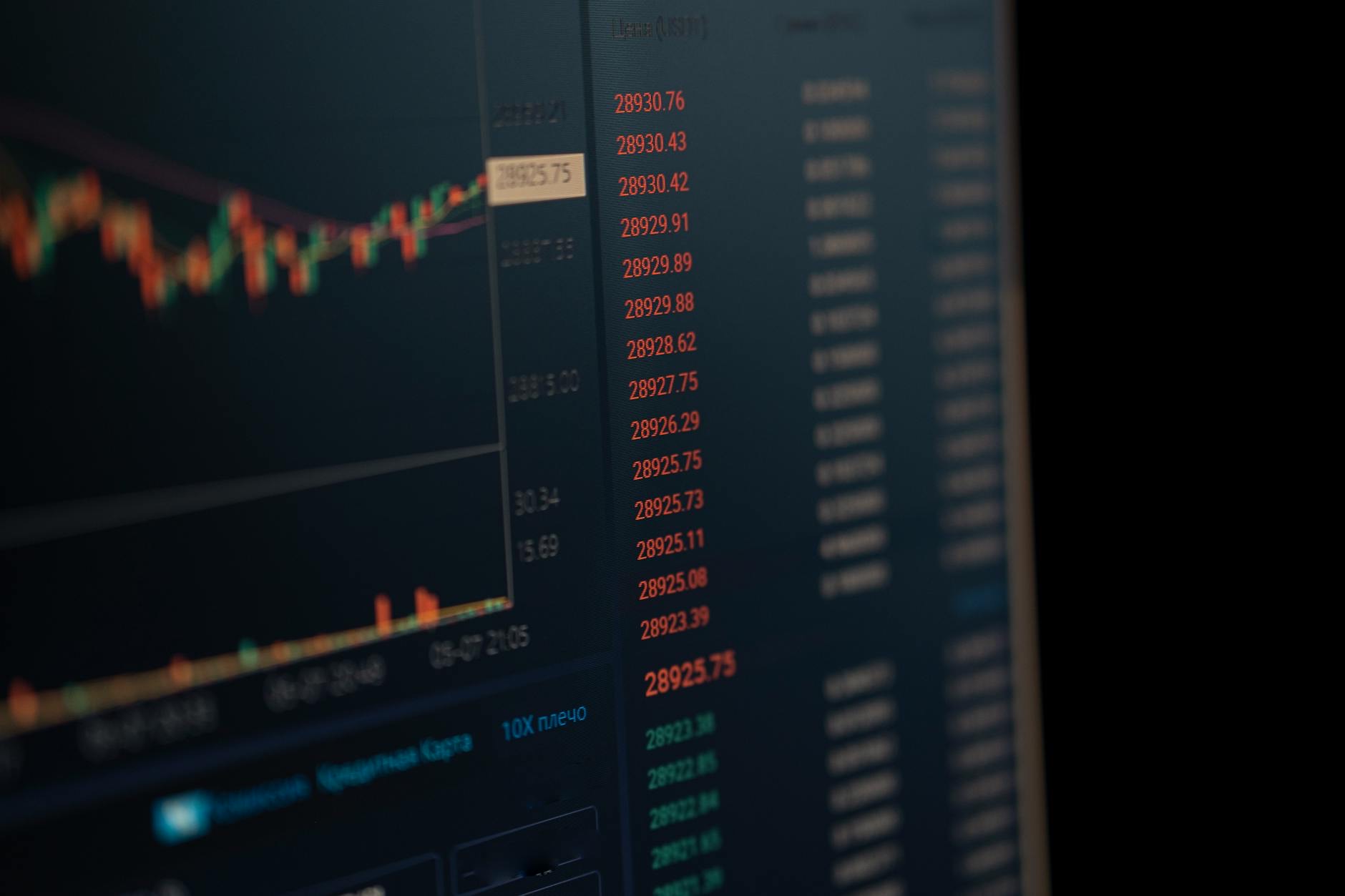
U.S. stock futures declined in early trading Monday, signaling a potentially weaker start for Wall Street as investors assessed a complex mix of economic data, policy expectations, and corporate developments. Futures linked to the Dow Jones Industrial Average, S&P 500, and Nasdaq Composite all moved modestly lower, reflecting a cautious tone following recent volatility in equity markets.
The downward pressure comes as market participants continue to recalibrate expectations around interest rates. Recent economic data has presented a mixed picture: while some indicators suggest resilience in consumer spending and employment, others point to persistent inflationary pressures that could delay any potential easing by the Federal Reserve. Treasury yields have remained elevated in response, increasing the cost of capital and weighing on equity valuations, particularly in growth-oriented sectors.
Technology stocks, which have been a primary driver of market gains in recent quarters, appear especially sensitive to shifts in rate expectations. Higher yields tend to reduce the present value of future earnings, a dynamic that disproportionately affects companies with long-term growth profiles. As a result, Nasdaq futures have shown heightened volatility relative to other major indexes.
Corporate earnings remain another critical factor influencing market direction. While several companies have reported results that met or exceeded expectations, forward guidance has been more cautious. Executives across multiple sectors have flagged concerns about input costs, consumer demand variability, and geopolitical uncertainty. This tempered outlook has contributed to a broader reassessment of earnings growth trajectories for the remainder of the year.
Investors are also monitoring global developments that could influence U.S. markets. Ongoing geopolitical tensions, fluctuations in commodity prices, and economic signals from major international economies all play a role in shaping risk sentiment. In particular, movements in oil prices and supply chain dynamics continue to affect sectors ranging from energy to manufacturing and transportation.
Another layer of uncertainty comes from upcoming economic releases scheduled for later in the week. Key reports on employment, inflation, and consumer activity are expected to provide further clarity on the strength of the U.S. economy. These data points are closely watched by both the Federal Reserve and market participants, as they inform expectations around monetary policy decisions.

Market strategists note that early declines in futures do not necessarily determine the full trading day’s trajectory. Intraday reversals are common, particularly during periods of heightened uncertainty. Factors that could drive a turnaround include stronger-than-expected economic data, positive corporate announcements, or shifts in bond market dynamics. Conversely, disappointing data or renewed concerns about inflation could deepen losses.
Liquidity conditions and trading volumes also play a role in shaping market behavior. Early-session moves are often influenced by overnight developments and positioning by institutional investors, while later trading can reflect broader participation and reaction to real-time information. As such, the opening direction indicated by futures provides only a partial picture of the day’s potential outcome.
From a sector perspective, defensive industries such as utilities and consumer staples may attract interest if risk aversion persists. These sectors are generally less sensitive to economic cycles and can offer relative stability during periods of market turbulence. On the other hand, cyclical sectors like industrials and consumer discretionary may face pressure if concerns about economic slowdown intensify.
Financial stocks are also in focus, given their sensitivity to interest rate movements and economic conditions. Higher rates can support bank margins, but they can also dampen loan demand and increase credit risk if economic growth slows. The balance of these factors will be closely watched as investors evaluate the sector’s outlook.
Retail investor sentiment remains an additional variable. Recent market swings have underscored the influence of individual investors, particularly in high-profile technology and momentum-driven stocks. While institutional flows tend to dominate overall market direction, shifts in retail activity can amplify volatility in specific segments.

Looking ahead, analysts emphasize that the broader trend in U.S. equities will depend on how key uncertainties are resolved. These include the trajectory of inflation, the timing and magnitude of any Federal Reserve policy adjustments, and the durability of corporate earnings growth. While short-term fluctuations are likely to continue, longer-term market direction will hinge on fundamental economic conditions.
In the immediate term, the question of whether the Dow Jones, S&P 500, and Nasdaq will remain in the red or recover later in the session remains open. Early indicators point to caution, but markets have shown a capacity for rapid shifts in sentiment as new information emerges. Investors are therefore likely to remain attentive to both macroeconomic signals and company-specific developments throughout the trading day.
As volatility persists, market participants are increasingly focused on risk management and diversification strategies. The interplay between equities, bonds, and other asset classes continues to shape portfolio decisions, highlighting the importance of a balanced approach in uncertain conditions.
Ultimately, Monday’s early decline in futures reflects not a single catalyst but a convergence of factors that underscore the complexity of the current market environment. Whether the day ends in losses or sees a rebound will depend on how investors interpret and respond to the evolving landscape of economic data, policy signals, and corporate performance.




Leave a Reply