
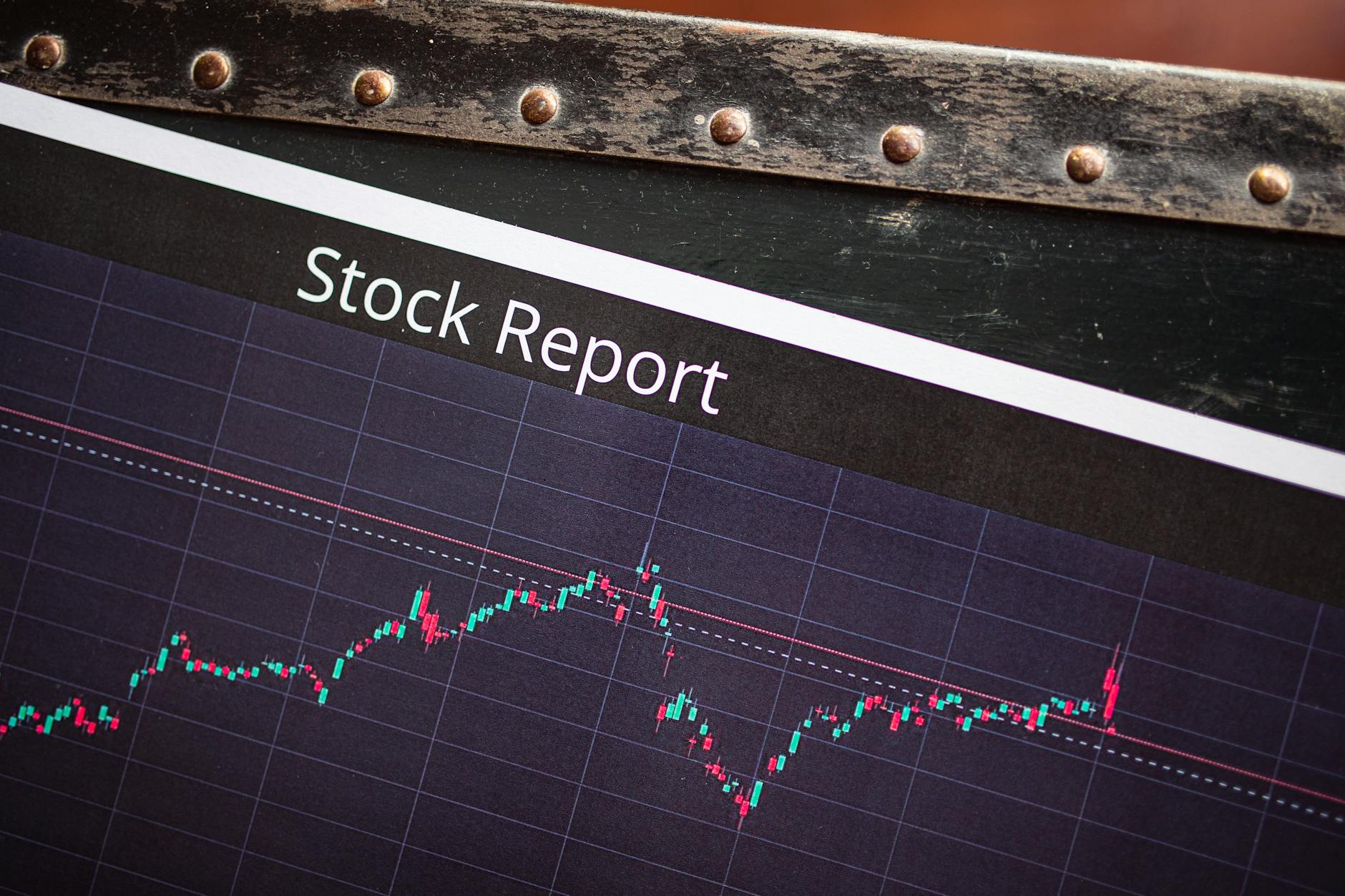
U.S. stocks closed mixed Monday, with the S&P 500 and Nasdaq Composite edging higher while the Dow Jones Industrial Average slipped, as Wall Street opened a packed earnings week with caution rather than conviction.
The S&P 500 rose 0.1% to 7,173.91, while the Nasdaq gained 0.2% to 24,887.10, according to AP’s market recap. Both indexes reached fresh closing highs. The Dow fell 0.1% to 49,167.79, and the Russell 2000 index of smaller companies was little changed at 2,788.19.
The restrained move reflected a market waiting for confirmation from several of the country’s largest companies. This week’s earnings calendar includes major technology and internet names that have been central to the market’s advance, including Apple, Amazon, Alphabet, Microsoft and Meta. Their reports are expected to shape investor confidence in artificial intelligence spending, cloud demand, advertising trends and consumer-device demand.
Reuters reported that trading was muted as investors faced a crowded docket: corporate earnings, economic data, the Federal Reserve’s rate decision and continued uncertainty around Middle East tensions. That combination kept the session from turning into a broader risk-on advance, even as the major growth indexes finished higher.
Technology remained a key support. Nvidia rose about 4%, according to multiple market reports, extending investor enthusiasm around AI infrastructure and semiconductor demand. The chipmaker’s influence has become increasingly important because the broader market’s gains have been closely tied to expectations that large technology platforms will keep spending heavily on data centers, chips and cloud capacity.
That makes this earnings week unusually consequential. Investors are not only watching whether companies beat quarterly estimates; they are also looking for guidance on capital spending, margins and demand. In the current market, a strong backward-looking quarter may not be enough if executives sound cautious about the months ahead.

The tone was more uneven outside technology. Consumer-facing stocks showed pressure, highlighting the divide between enthusiasm for AI-linked companies and concern about household demand. Domino’s Pizza fell sharply after results and sales commentary disappointed investors, while other consumer names also lagged. Those moves suggested that higher prices, fuel costs and softer sentiment may still be weighing on discretionary spending.
Energy prices added another complication. AP reported that crude prices rose more than 2% Monday as disruption concerns linked to tanker traffic through the Strait of Hormuz remained in focus. Higher oil prices can support energy producers, but they also raise input costs for businesses and gasoline costs for consumers, complicating the outlook for inflation and spending.
The Federal Reserve is another major variable. Investors are looking for clues on whether policymakers see inflation pressures as contained enough to justify rate cuts later this year, or whether stronger markets and higher energy prices could keep policy restrictive for longer. Even without a major move in interest rates, the Fed’s language can affect bond yields, equity valuations and sector rotation.
The market’s cautious tone also reflected the level of recent gains. The S&P 500 is up 4.8% for the year, the Nasdaq is up 7.1%, the Dow is up 2.3% and the Russell 2000 is up 12.3%, according to AP. Those advances leave less room for disappointment, particularly in companies priced for strong profit growth.
Reuters noted that analysts now expect aggregate S&P 500 earnings growth of 16.1% from a year earlier, up from 14.4% at the start of April, based on LSEG I/B/E/S data. That improvement has helped underpin market optimism, but it also raises the bar for companies reporting this week.

Market breadth was not especially forceful. Reuters reported that volume on U.S. exchanges was 15.59 billion shares, below the 20-session average of 18.28 billion. The S&P 500 recorded 17 new 52-week highs and nine new lows, while the Nasdaq logged 123 new highs and 92 new lows, pointing to a market still advancing but with uneven participation.
For investors, the practical question is whether leadership can broaden beyond a narrow group of large technology and AI-related companies. If earnings from major platforms show durable demand and disciplined spending, the rally could gain support. If guidance disappoints, especially on AI capital expenditure or consumer demand, the same concentration that has helped lift indexes could become a vulnerability.
Monday’s close therefore offered a careful start rather than a decisive signal. The S&P 500 and Nasdaq continued to grind higher, but the Dow’s decline, weaker consumer shares and below-average volume showed that investors are waiting for more evidence before making a larger directional bet.
The next several sessions are likely to determine whether the market’s record levels are supported by earnings fundamentals or primarily by momentum in a small group of high-valuation stocks. With Big Tech results, the Fed decision, economic data and geopolitical risk all arriving in the same week, Monday’s modest gains may be less important than the market’s reaction to what comes next.




Leave a Reply