
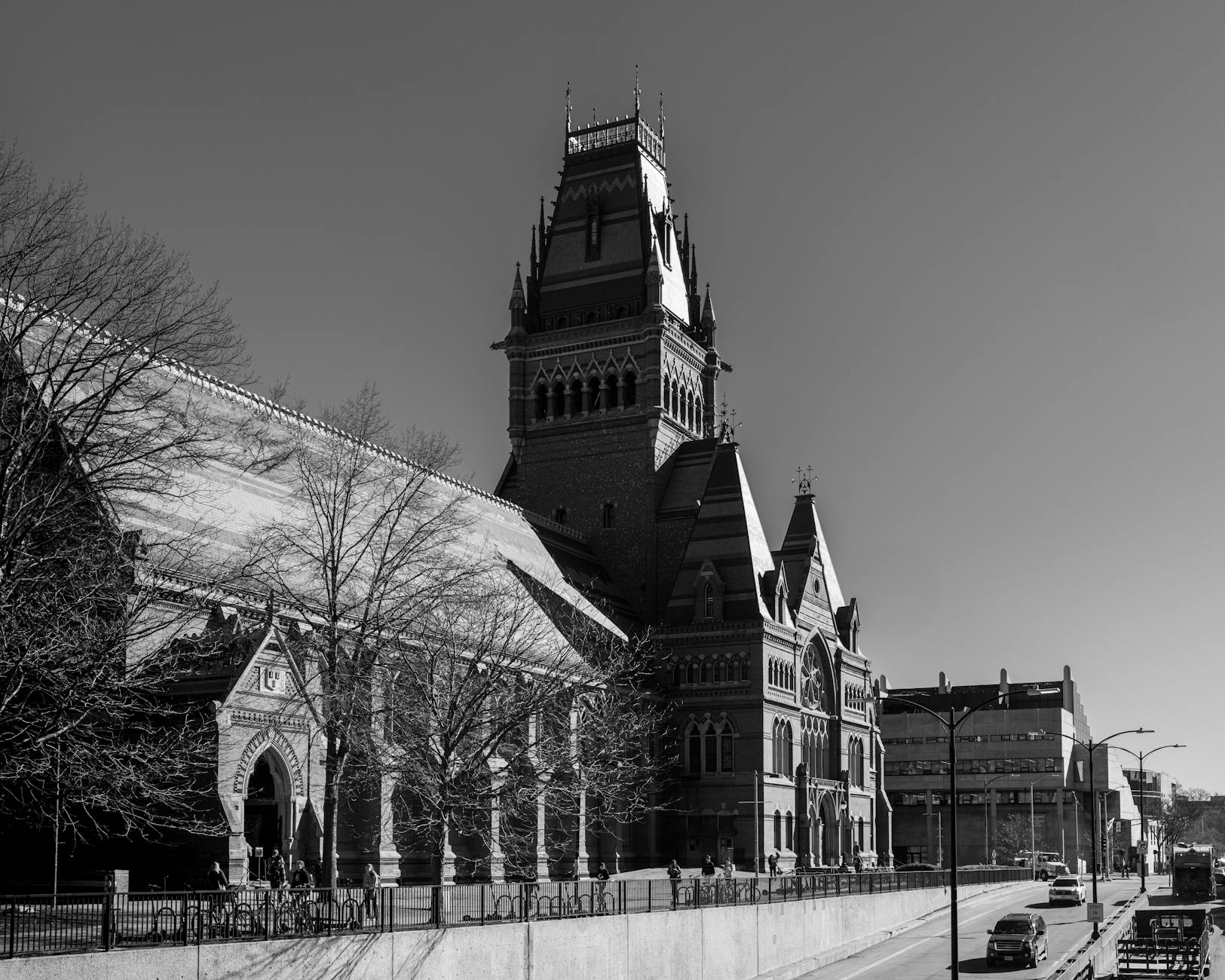
Harvard University spent $220,000 on federal lobbying during the first three months of 2026, keeping its Washington advocacy spending near historically elevated levels as the university faces continuing federal pressure over research funding, campus governance, international students and higher education policy.
The figure appears in a federal Lobbying Disclosure Act report filed April 20 by Harvard University — formally listed as Harvard University-President and Fellows of Harvard College — and covers activity from Jan. 1 through March 31. The disclosure, first reported Monday by The Harvard Crimson, shows Harvard reported $220,000 in lobbying-related expenses for the quarter.
The total is slightly below the $230,000 Harvard reported for the first quarter of 2025, a period The Crimson described as the university’s highest quarterly lobbying total since 2008. Harvard’s 2025 federal lobbying spending later approached $1 million for the year, marking its highest annual total in more than two decades, according to the campus newspaper’s review of disclosures.
The April 20 filing shows Harvard’s federal agenda stretched across a broad range of issues. The university reported lobbying Congress on fiscal year 2026 and fiscal year 2027 funding, tax and policy issues related to research administration, education, student aid, humanities, international education and development.
On higher education policy, Harvard listed bills and issues tied to student financial aid, college cost transparency, loan repayment, FAFSA, Pell Grant funding, accreditation, admissions, campus safety, civil rights, academic freedom, graduate education, distance education, veterans education and public service. The filing also included issues involving foreign gift and contract reporting, higher education financing, financial disclosures and university regulation.
Immigration remained a distinct part of Harvard’s federal lobbying agenda. The university said it lobbied on “a timely and predictable process” for student and scholar visas, along with policies affecting international students’ and scholars’ ability to study, conduct research and train in the United States. The filing also referenced U.S. entry, fees and pathways to permanent residence or citizenship.

The emphasis reflects the importance of international students and researchers to major U.S. research universities, particularly at Harvard, where federal action over student status and enrollment has been part of a broader conflict between the university and the Trump administration. The Crimson reported that federal attempts to restrict Harvard’s international enrollment were blocked by a federal judge and appealed by the administration.
Research funding was another central theme. Harvard reported lobbying on the SAFE Research Act, the BIOSECURE Act and the National Quantum Initiative Act, as well as research security, faculty disclosures, foreign gifts and contracts, international graduate students and scholars, data privacy, open access, publication rules, grantmaking processes, merit review and facilities-and-administrative reimbursement.
The filing also named federal science agencies including the National Science Foundation, the Department of Energy’s Office of Science, NASA and the National Institute of Standards and Technology. Harvard said its lobbying included workforce development, supply chain resilience, major research equipment and facilities, commercialization of university-based discoveries and cross-cutting science priorities.
Those topics are especially consequential because Harvard has been at the center of a major legal and political fight over federal research dollars. Harvard sued the Trump administration in 2025 after the government froze more than $2.2 billion in research funding, arguing the action was unconstitutional and unlawful. A federal court later ruled in Harvard’s favor, and the government appealed.
The university’s lobbying report also covered defense-related education and science and technology programs, including research security for international collaborations and affiliations, health, artificial intelligence, quantum science and the national security workforce. On health policy, Harvard reported lobbying on agency organization, program prioritization, peer review, funding allocations, biomedical education and training, clinical and translational science, mental health, and investment in NIH, CDC, ARPA-H and AHRQ.

Tax policy also appeared in the disclosure. Harvard said it lobbied on tax reform, college and university endowments, the net investment income tax, unrelated business income tax issues, scholarship and fellowship taxation, tuition tax credits and charitable giving. The Crimson reported that a 2025 increase in the federal tax rate on the largest university endowments is expected to cost Harvard roughly $200 million beginning in fiscal year 2027.
Harvard’s first-quarter filing lists three in-house lobbyists: Suzanne Day, Peter DeYoe and Kara Haas. Separately, The Crimson reported that Harvard continued paying Ballard Partners $90,000 during the quarter. Ballard Partners, founded by Brian Ballard, has been widely described as a prominent firm with close ties to President Donald Trump’s political network.
The Ballard relationship has drawn attention because Harvard’s federal disputes have involved agencies and officials across the administration. The university’s federal lawsuits page shows continuing legal activity tied to research funding and related disputes, while The Crimson reported that the Department of Justice sued Harvard last month alleging Title VI violations and seeking to recover federal funds.
Harvard’s disclosure does not state that lobbying produced any specific federal action, and lobbying reports are broad by design. They identify issue areas, bills, agencies and lobbyists, but they do not provide a full account of meetings, strategy or communications. Still, the report shows Harvard devoting significant resources to federal engagement during a period when Washington decisions could affect its research budget, student population, tax exposure and regulatory obligations.
For higher education, Harvard’s spending is part of a wider pattern: universities are increasingly navigating federal policy not only through courts and public statements, but also through sustained lobbying on appropriations, research security, immigration, civil rights enforcement and student aid. The first-quarter report suggests Harvard expects that fight to remain active through the 2026 budget and legislative cycle.




Leave a Reply