
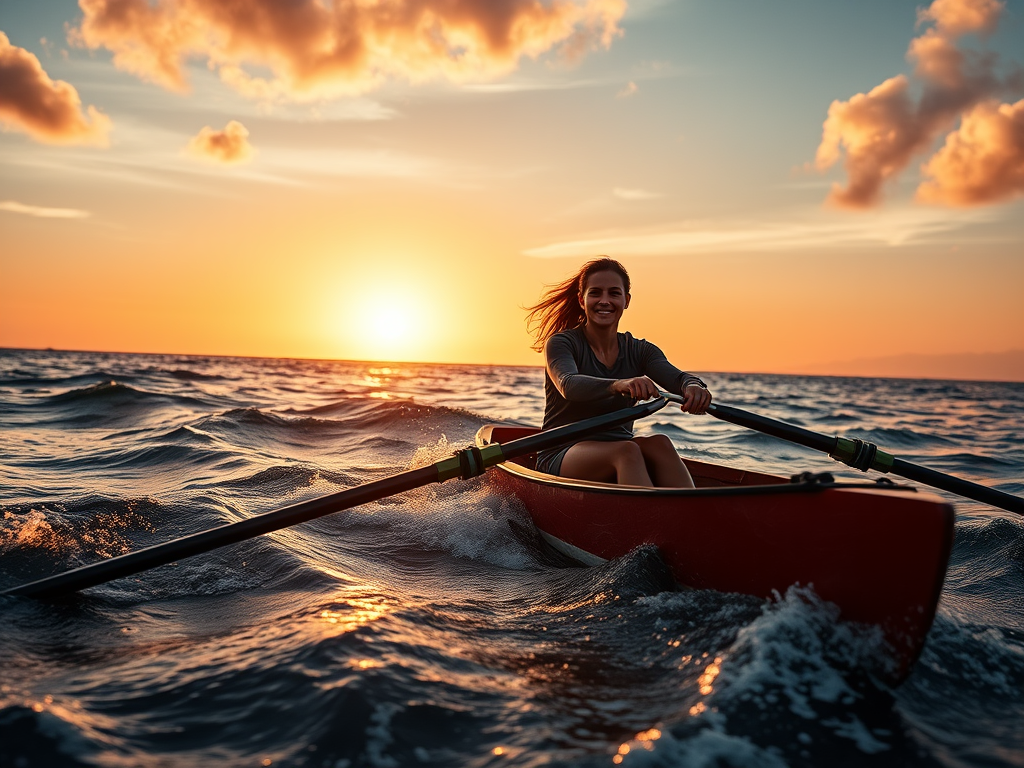

In late 2022, Jess Rowe and Miriam Payne crossed paths for the first time at a small oceanside bar on the Spanish island of La Gomera. Less than three years later, the two women from the United Kingdom would claim a place in history as the first all-female team to row across the Pacific Ocean without support and without stopping. To understand the scale of what they accomplished, consider this: more people have set foot in outer space than have successfully rowed across the world’s largest ocean.
Their record-setting journey began in Callao, Peru, and ended in Cairns, Australia, on October 19, after 165 days at sea and approximately 6,907 nautical miles powered only by their own strength.
“We faced a lot of setbacks,” Payne said from Australia, where the celebration and recovery are still underway. “But we just kept going. Things always found a way to improve.”
That determination was tested almost immediately. Only a week into the expedition, roughly 350 miles offshore, the steering system failed. Their rudder broke, and even the backup rudder would not function due to an unexpected manufacturing defect. The pair were suddenly adrift, forced to consider abandoning their dream.
But they had one lifeline. They contacted Alec Hughes, a friend they had met in Peru who had already begun his own solo sailing voyage around the world. Hughes diverted his route, sailed for a week to reach them, and then spent another week towing their boat back to their starting point so repairs could be made.
“If he hadn’t helped us, we would have had to call for rescue, leave our boat behind, and end the expedition right there,” Rowe recalled.
More challenges came in steady waves. Their water system malfunctioned, and at one point they used underwear to help repair the filter. Limited power forced them to travel without navigational lights or a working radio. Fatigue from constant rowing set in, and they struggled to consume the 5,000 calories they needed each day. They also raced against the arrival of cyclone season.
The final day was the most nerve-wracking. Strong currents threatened to push them off course and onto land. “We genuinely thought we might have to swim the last stretch,” Payne said. “Touching land was pure relief and pride.”
Their partnership began with separate goals. When they met in the Blue Marlin bar, both were preparing to attempt the 3,000-mile Atlantic crossing that La Gomera is known for. Payne, who grew up on a farm in East Yorkshire, completed her journey solo in just under 60 days — setting a women’s record at the time. Rowe crossed in a team of four. When they reunited in Antigua after finishing their respective Atlantic attempts, they celebrated — and began imagining something even bigger.
Planning their Pacific challenge took over two years. They worked full-time jobs to support themselves while fundraising and buying a second-hand boat for £60,000. They named it Velocity. Their mission also became a charitable one, ultimately raising over £100,000 for The Outward Bound Trust, which helps young people through outdoor education and personal development programs.
Training for the journey demanded relentless discipline. They spent six days a week in the gym building strength and endurance, hours on indoor rowing machines, and time on open water practicing rotations. Their routine consisted of two hours of rowing followed by two hours of rest — a cycle they would repeat for months at sea.

“You can’t really train to be an ocean rower until you are out there doing it,” Rowe said. “A lot of it is just learning as you go and trusting yourself.”
Physical adaptation came surprisingly quickly. Neither suffered serious injuries, but nutrition became a daily battle. Despite packing enough food for 200 days, they often managed only about 3,500 calories each. They rewarded themselves every 500 nautical miles with a rare treat: noodles topped with radish sprouts and greens grown on board. Most meals were freeze-dried and challenging to stomach. Snack packs — filled with chocolate, nuts, dried fruit, and biscuits — quickly became their most cherished fuel, so much so that Rowe ran out a month before finishing.
There were memorable encounters too. They swam alongside deep blue waters stretching five kilometers beneath them, scrubbed barnacles off the hull, and hoped to spot sharks — though only fins appeared. At one point a sperm whale surfaced just meters away, leaving Payne questioning whether she was hallucinating after so many hours on the oars.

The nights offered beauty few people on land will ever see: streaks of meteor showers above and a glowing trail of bioluminescence behind their oars. They disconnected almost entirely from world events and found the quiet liberating. Payne’s father monitored their progress and shipping traffic from home, barely sleeping himself to ensure their safety.
Near Australia, they crossed busier shipping lanes and had to alert passing vessels to avoid collisions. Inside the cabin, Payne kept a message taped above her: “The difference between an ordeal and an experience is your attitude.”
Now back on land, they are enjoying the company of loved ones and navigating attention from media and supporters. Though they plan to rest and recover, the pair already have their sights on a new horizon. Their next goal: rowing across the Indian Ocean. It may take time, but given what they have already accomplished, few would bet against them.




Leave a Reply