
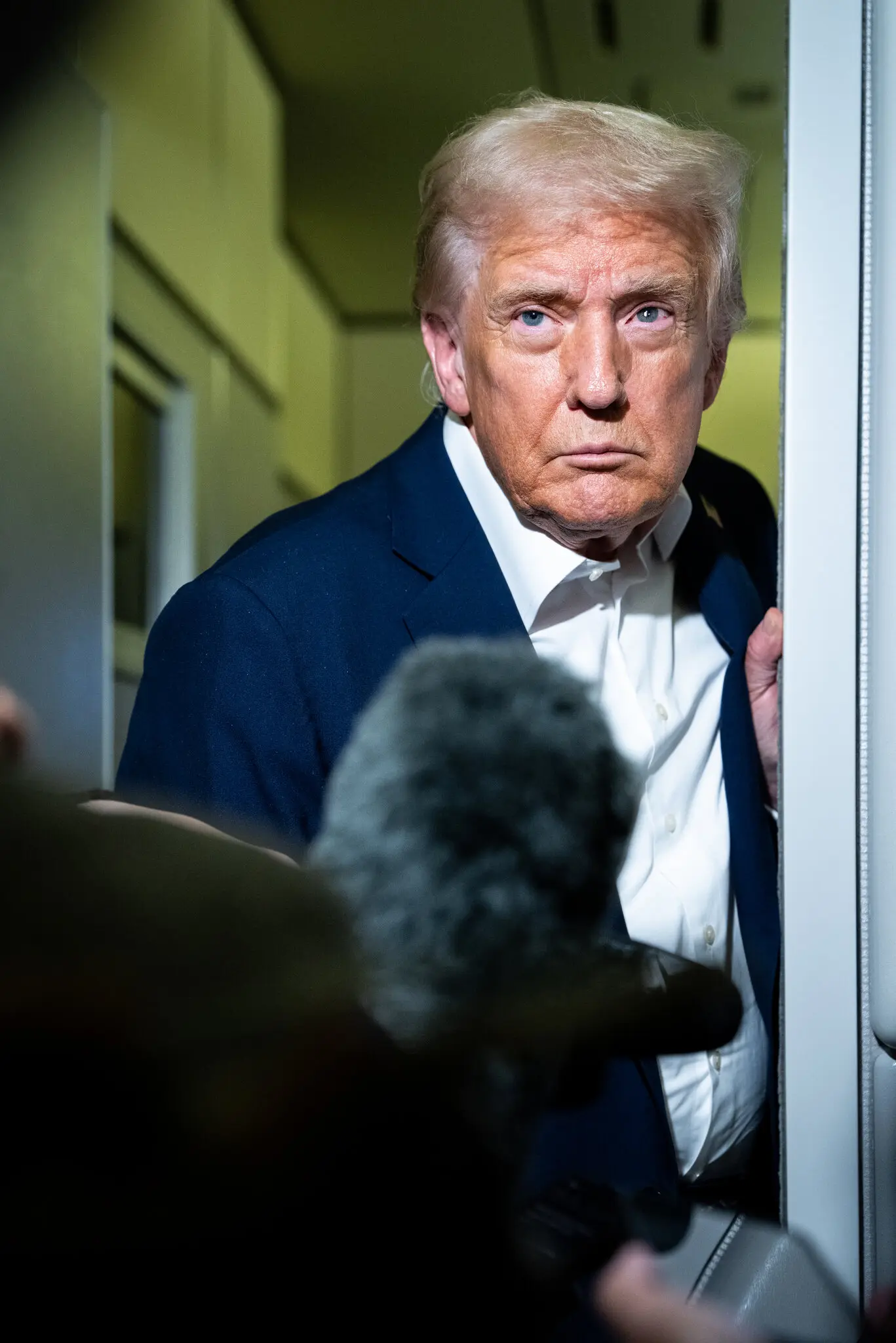

Nine months into his second term, President Trump’s foreign policy has presented a mix of notable achievements and unpredictable, sometimes erratic actions. Whether dealing with allies in Europe, competitors in Asia, or conflicts in Venezuela and Ukraine, his approach has combined moments of strategic success with frequent surprises.
Undeniably, Mr. Trump has scored some significant foreign policy wins. European nations are now committing far more to their own defense than they anticipated a year ago—a long-standing demand of several U.S. presidents that Mr. Trump aggressively enforced.
He has also acted to ease several protracted regional disputes, though some of these successes appear fragile. His most high-profile achievement so far—securing the release of 20 hostages held by Hamas and negotiating a tentative cease-fire in Gaza—required skillful and assertive engagement with Israel’s initially reluctant leadership.
However, expectations that Mr. Trump would evolve into the traditional global statesman many of his predecessors aspired to be have largely gone unmet.
Renowned for impulsiveness rather than consistency, Mr. Trump’s foreign policy conduct has grown increasingly capricious, a trend evident during his Asia tour as he confronts a combative China while leaving allies uncertain about his intentions and decision-making.
“The president has an instinctive understanding of countries’ vulnerabilities and leverage points,” said Richard Fontaine, CEO of the Center for a New American Security and a former adviser to Senator John McCain. “This can create opportunities he can use effectively, as we’ve seen in Europe, Gaza, and the Iran strike. But it also carries risks.”
Following a productive meeting with Canada’s Prime Minister, Mark Carney, Mr. Trump abruptly ended trade discussions after taking offense at a Canadian advertisement featuring President Ronald Reagan’s voice, recorded 38 years ago. Shortly afterward, he imposed an additional 10 percent tariff on Canadian goods—potentially costing American consumers billions—simply due to dissatisfaction with the ad, produced by the Ontario government.
Similarly, he initially reacted aggressively when China restricted U.S. access to rare earth minerals but later softened his stance en route to Malaysia, indicating that both he and President Xi Jinping would need to make concessions to reach a trade deal. Progress was announced by U.S. negotiators shortly thereafter.
Despite campaigning against foreign entanglements, Mr. Trump has projected significant military force toward Venezuela, ostensibly to pressure President Nicolás Maduro. Recent actions include dispatching an aircraft carrier and striking at least ten vessels allegedly carrying drugs, resulting in at least 43 civilian deaths—an operation widely criticized as lacking clear legal justification. Mr. Trump, however, has provided neither Congress nor the public with a coherent explanation of his objectives.
His approach to Ukraine has also caused confusion, with European officials repeatedly seeking clarity on whether the U.S. aligns with President Vladimir Putin or with Ukraine. “If your negotiating position is ‘we’ll do whatever works,’ you’re inevitably whipsawed,” said Celeste Wallander, a former assistant secretary of defense for international security. “Without grounded positions, negotiations spiral unpredictably.”
Nine months into his term, the only predictable aspect of Mr. Trump’s foreign policy is its unpredictability—driven by instinct, personal grievance, and ego rather than deliberate strategy, despite supporters’ claims to the contrary. Foreign leaders often approach him with extreme caution, likened by one diplomat to entering a room with hidden explosives.
As he prepares to meet new leaders in Japan and China—and following his unusual public invitation to North Korea’s Kim Jong-un—Mr. Trump stands at a critical juncture. Will he build on his diplomatic successes, or will his volatile nature continue to sow confusion and conflict?
His confrontation with Canada escalated over the Reagan voiceover, alongside claims that Canada was attempting to improperly influence the U.S. Supreme Court, referring to a pending case examining the legality of some of his tariffs. Mr. Trump has since suggested he may attend the court session. Canadian officials maintain the ad’s purpose was to remind Republicans of Reagan’s principles, not to interfere in judicial proceedings.
In Israel, he publicly advocated for Prime Minister Benjamin Netanyahu’s pardon during a speech celebrating the Hamas hostage release. Meanwhile, his decision to impose 50 percent tariffs on Brazil was linked to his criticism of legal actions against former President Jair Bolsonaro, a personal ally.
Military operations in the Caribbean and Pacific appear set to intensify once the Gerald R. Ford carrier group arrives off Venezuela, though the White House has not clarified its strategic objectives. While publicly framed as an anti-drug mission, officials acknowledge the broader aim of pressuring Maduro.

In Ukraine, Mr. Trump has oscillated between echoing Russian positions and suggesting military support for Kyiv, only to reverse course. Leading up to a meeting with Putin in Alaska, he initially prioritized a cease-fire, then described a full peace agreement as necessary. Subsequent events saw him considering Tomahawk missile transfers before backing off after consulting Putin. When Ukrainian President Zelensky visited Washington, Mr. Trump insisted on a cease-fire, warning privately of Russia’s long-term threat.
A planned meeting with Putin in Budapest fell through, prompting Mr. Trump to impose new sanctions on Russian oil exports—his first additions to the extensive sanctions already imposed since the 2022 invasion of Ukraine. According to Ivo Daalder, former U.S. ambassador to NATO, “The driving force of this roller coaster is the president’s desire to be seen as ending the war. He focuses on the outcome, not the means or consequences, prioritizing the appearance of resolution to support a Nobel Peace Prize claim.”




Leave a Reply