

Trump Is Bringing Back the Presidential Fitness Test

If memories of gym class fill you with dread—struggling through pull-ups or reaching in vain during the sit-and-reach—you’re not alone. And now, that familiar anxiety might be returning to classrooms across the country.
In a bold move aimed at promoting national health, former President Donald Trump signed an executive order to reinstate the Presidential Physical Fitness Test in public schools. According to the White House statement, the initiative seeks to “restore urgency in improving the health of all Americans,” beginning with the country’s youngest citizens—schoolchildren.
The announcement has reignited a nationwide discussion on how best to measure and encourage youth fitness.
A Historic Program Makes a Comeback
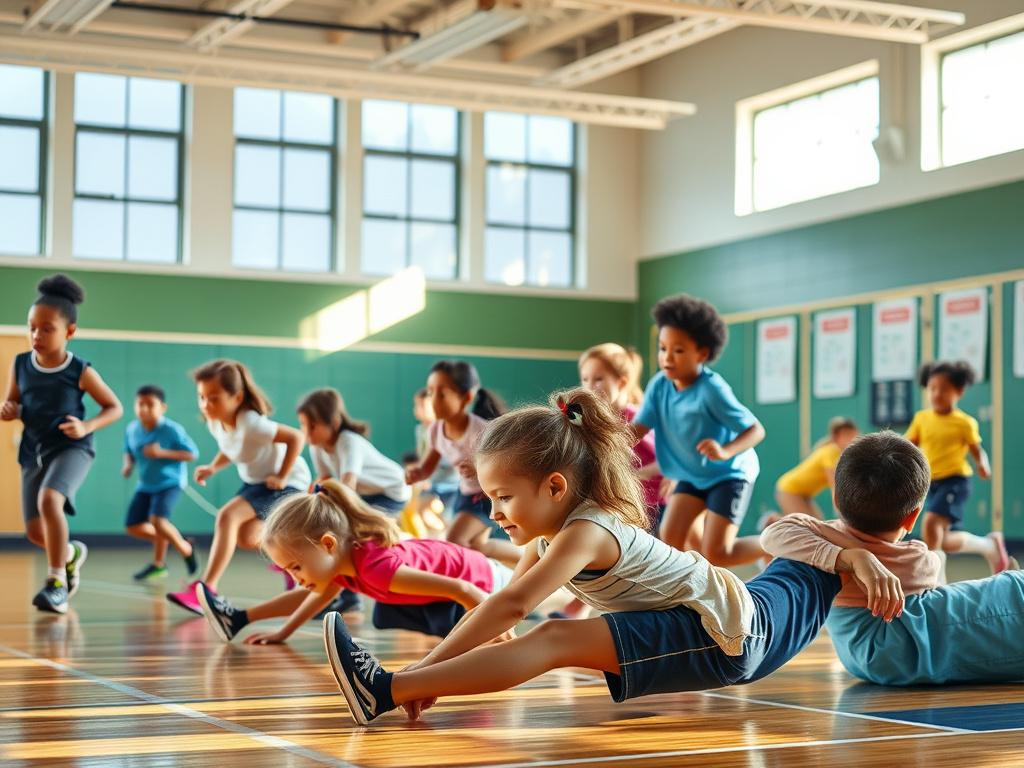
Originally introduced in 1966, the Presidential Physical Fitness Test has long been a staple of American physical education programs. The assessment has evolved over the decades, but its primary goal has always been to evaluate a child’s endurance, strength, agility, and flexibility.
Previous versions of the test included a one-mile run, timed sit-ups (also known as curl-ups), a 30-foot shuttle run, the classic sit-and-reach flexibility test, and a choice between doing push-ups or pull-ups. Students who performed in the top 15% nationally were awarded the prestigious Presidential Physical Fitness Award, a badge of honor displayed proudly by many.
However, the program was phased out in 2012 under the Obama administration. It was replaced with the Presidential Youth Fitness Program (PYFP), which emphasized a broader approach to physical well-being rather than focusing on standardized benchmarks or competitive scoring.
What Will the New Fitness Test Look Like?
While the Trump administration has not yet specified which components will be included in the updated version of the fitness test, the return to standardized physical evaluation has already sparked both excitement and concern among parents, educators, and health professionals.
Critics of the original fitness test point out that it often set unrealistic expectations. Children of the same age can vary widely in size, strength, and developmental stage, making standardized scores a poor measure of true physical well-being. Furthermore, the pressure to compete—especially when publicly ranked—can leave lasting negative impressions.
“It shouldn’t just be about how fast kids can run or how many sit-ups they can do,” said Dr. Jacqueline Goodway, a professor of kinesiology at Michigan State University and a nationally recognized expert in motor development. “We need to prepare children with the knowledge, habits, and confidence for a lifetime of physical activity.”
Experts Advocate for Holistic Physical Education

According to Dr. Laura Richardson, associate professor of kinesiology at the University of Michigan, reintroducing the test without additional support for educators could limit its effectiveness.
“Teachers already face time constraints, especially in junior high and high school,” Richardson said. “That’s exactly when physical activity starts to decline and screen time begins to surge.”
Richardson emphasized that while the test’s previous suite of activities provided a reasonably good snapshot of overall fitness, certain exercises—like traditional sit-ups—are now considered outdated. She advocates for replacing sit-ups with planks, which are widely seen in modern fitness circles as a more effective measure of core strength and endurance.
The Case for Movement in a Digital Age
As screen time becomes more dominant in children’s daily lives, the need for consistent, meaningful physical activity has never been more urgent. According to recent studies, children and adolescents in the U.S. spend an average of 7.5 hours per day in front of screens—a number that continues to grow.
Kathy Hirsh-Pasek, a senior fellow at the Brookings Institution and expert in child development, expressed mixed feelings about the return of the test. “I don’t have fond memories of trying to do chin-ups in front of a crowd,” she admitted. “But we do need something—some kind of structure to motivate children to be active.”
Hirsh-Pasek warned against framing the program as a competition. “You don’t want kids to feel like they’re either winners or failures,” she said. “That can be damaging, especially for younger students.”
Instead, she suggested that schools could emphasize personal growth and self-improvement—motivating children to beat their own previous records rather than competing with classmates. This approach, she noted, could foster a healthier mindset and greater long-term engagement in physical activity.
Balancing Fitness Goals with Inclusivity
As schools begin preparing for a possible reimplementation of the test, the debate surrounding its structure and intent intensifies. Proponents argue that a national benchmark system is necessary to identify trends in youth fitness and to encourage accountability among schools. Opponents caution that rigid standards may leave behind children who are developing at a different pace or who struggle with physical challenges.
Inclusivity and adaptive fitness programming are increasingly seen as essential. Educators are calling for versions of the test that take into account a child’s individual capabilities, health conditions, and emotional well-being.
“We need to move away from the idea of ranking children by performance alone,” said Dr. Goodway. “Fitness should be framed as a lifelong journey, not a one-time competition.”
What Comes Next?
As of now, specific details regarding the rollout of the revived Presidential Fitness Test remain under wraps. Schools, parents, and policy makers are awaiting further guidance from the Department of Education and public health officials.
What is clear, however, is that the national conversation on children’s fitness has been reignited. With childhood obesity rates on the rise and physical activity at an all-time low, many agree that some form of intervention is overdue.
The key, experts say, will be how the test is implemented—not just what it measures. With thoughtful design, adequate resources, and an emphasis on personal development rather than competition, the test could serve as a valuable tool in promoting youth health and wellness.
But without these supports, it risks becoming yet another stressor in a school system already stretched thin.
Conclusion: Fitness for the Future
Whether you view the return of the Presidential Physical Fitness Test as a long-overdue measure or a step backward, one thing is certain: the importance of childhood health is finally back in the spotlight.
By designing programs that prioritize inclusivity, skill development, and personal growth, schools can help foster a generation of healthier, more active young people. The challenge now is ensuring that these efforts are more than just symbolic.
In the era of smartphones, online classes, and digital distractions, children need more opportunities—not less—to move, stretch, and play.
The next generation deserves a fitness framework that meets them where they are and guides them toward where they can be.




Leave a Reply