

Maximize Your Hiking: Benefits of Trekking Poles

Ashley Hawke never considered trekking poles to be essential gear. In fact, she used to think they were only meant for older hikers or those with mobility issues. That perception shifted dramatically during a backpacking trip in 2015. While descending a hill, she twisted her ankle on a tree root. The injury forced her to reconsider how she approached hiking, and out of necessity, she tried using a pair of trekking poles for the first time. To her surprise, the difference was immediate and profound. Hiking, especially with a 40-pound pack on her back, suddenly felt more manageable. Now 30 years old, she reflects on that experience as a turning point, saying, “I couldn’t believe how much easier hiking felt. I used to think poles were just for older people. Now I recommend them to everyone I know.”
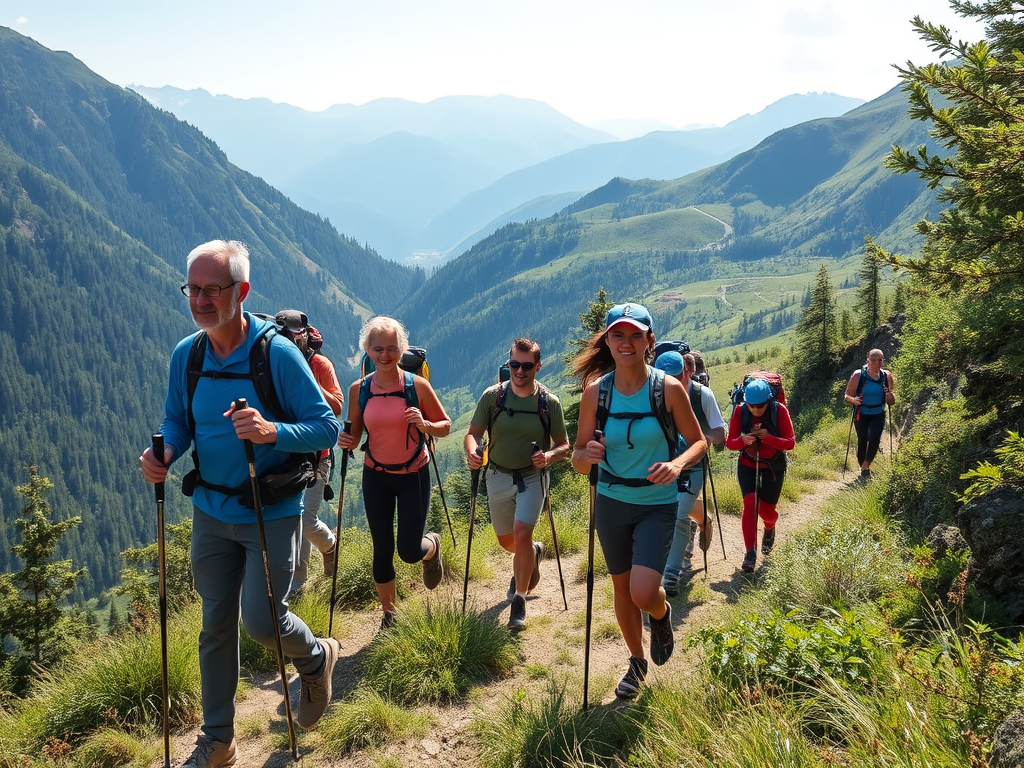
As a Ph.D. candidate studying integrative physiology, Hawke became curious about the science behind her newfound appreciation for trekking poles. She conducted a meta-analysis of studies spanning four decades and discovered that although the volume of research wasn’t extensive, the conclusions were consistent. Using trekking poles frequently enhanced balance, reduced the strain on the legs, and lessened muscle soreness. More than just anecdotal evidence, these findings confirmed what she and many others had experienced firsthand. Further studies, though small in scale, have also indicated that poles may reduce joint stress and even increase the cardiovascular benefits of hiking. This suggests that the advantages of trekking poles aren’t exclusive to seasoned backpackers or elderly hikers. In fact, almost anyone can benefit from using them, regardless of age or fitness level.

Trekking poles can make walking feel easier, quicker, and more efficient. In one small study, individuals walking with poles consumed over 20 percent more oxygen and burned significantly more calories than those walking without them. For Aaron Baggish, a cardiologist based at the University of Lausanne in Switzerland, this is one of the most compelling reasons to recommend them. He often suggests poles to patients of all ages, particularly those who struggle with mobility. As he explains, the use of poles transforms walking into a full-body workout, which in turn helps people become fitter more quickly.
For those who frequently hike on uneven terrain, poles offer additional advantages. They can be used to propel the body upward on ascents and to provide critical joint support during descents. Sharon Caputo, a 55-year-old hiker from Syracuse, New York, has scaled all 46 of the Adirondack High Peaks. She used poles on each hike and credits them with preserving her energy and protecting her knees. She notes that the poles don’t just reduce the pressure on her legs — they also allow her arms to share the workload, making long hikes less exhausting. Caputo finds them especially helpful when crossing streams, wading through mud, or stepping across rocky sections of trail, where balance is crucial.
Choosing the right trekking pole depends largely on the kind of walking or hiking you plan to do. If you’re going to be on flat, paved surfaces, Nordic walking poles may be a better choice. These poles are typically a single piece and come with sophisticated straps that keep the poles close to your hands, making it easier to push yourself forward. But if your adventures take you up and down mountains or along dirt trails, lightweight, collapsible trekking poles are often more practical. According to Maggie Peikon of the American Hiking Society, collapsible poles are easier to carry and adjust during your hike, which is especially useful on unpredictable terrain. When choosing poles, consider how easily they can be adjusted, and pay attention to the grip material. Cork grips tend to perform well even when wet, while foam or rubber offer different levels of comfort and support.
Caputo adjusts the length of her poles depending on the trail. Going downhill, she lengthens them to better manage steep drops; going uphill, she sometimes shortens or folds them if she needs to use her hands for climbing. The pole tips also matter — rubber tips work best on dry pavement, while metal tips provide more stability on dirt paths, snow, or ice. However, it’s important to be cautious with metal tips as they can damage rocks or delicate surfaces. In addition to pole selection, learning how to properly use the wrist straps can significantly improve comfort and efficiency. The strap should sit comfortably across the back of the wrist, helping to support your movement without straining the hand. Dr. Baggish even recommends visiting a physical therapist if you’re unsure how to adjust your poles to suit your body.

Proper technique can enhance the benefits of trekking poles. Ideally, your poles should be positioned so that your arms remain parallel to the ground, with elbows bent at approximately 90 degrees. This allows your upper body to assist in your forward movement. According to Peikon, the goal is to let the poles support your natural walking motion, rather than disrupting it. When used correctly, the poles should feel like an extension of your body, not an obstacle. Engaging your arms and shoulders while pushing down on the poles helps propel you forward. When descending, the motion changes to more of a stabilizing plant than a push. Posture is also important. Avoid leaning forward too much; instead, maintain an upright position to prevent unnecessary strain.
Although using poles might feel strange at first, Peikon encourages people to practice on flat, even ground to get used to them. Once you become familiar with the rhythm, it becomes second nature. There’s also flexibility in how many poles to use. Some hikers prefer just one pole to keep a hand free for balance or grabbing onto nearby support. Peikon herself prefers a single pole for exactly that reason. Ultimately, there is no universal rule — what matters is finding what works best for you.
Hawke believes it’s not necessary to overthink or overspend when it comes to trekking poles. While there are plenty of specialized models available on the market, she reminds hikers that sometimes even a sturdy stick found on the side of the trail can serve the same purpose. What’s important is the support and confidence the pole provides. Whether you’re a beginner or an experienced hiker, trekking poles can make a noticeable difference in your outdoor experience, helping you go farther and feel better along the way.




Leave a Reply